Racializing Space

Drawing from the perspectives of architecture, planning, sociology, and history, this panel discussion at the University of Michigan’s College of Architecture and Urban Planning considers the evidence for how and why the American city and suburb – specifically Detroit – remain spatially segregated. What steps must be taken to fulfill the dream of an egalitarian metropolis? Panelists included:
Sociologist Karyn Lacy
American historian LaDale Winling,
Urban planning historian Robert Fishman
Conversation moderated by Myles Zhang. VIEW PUBLICATION >

We cannot design our way out of this crisis.

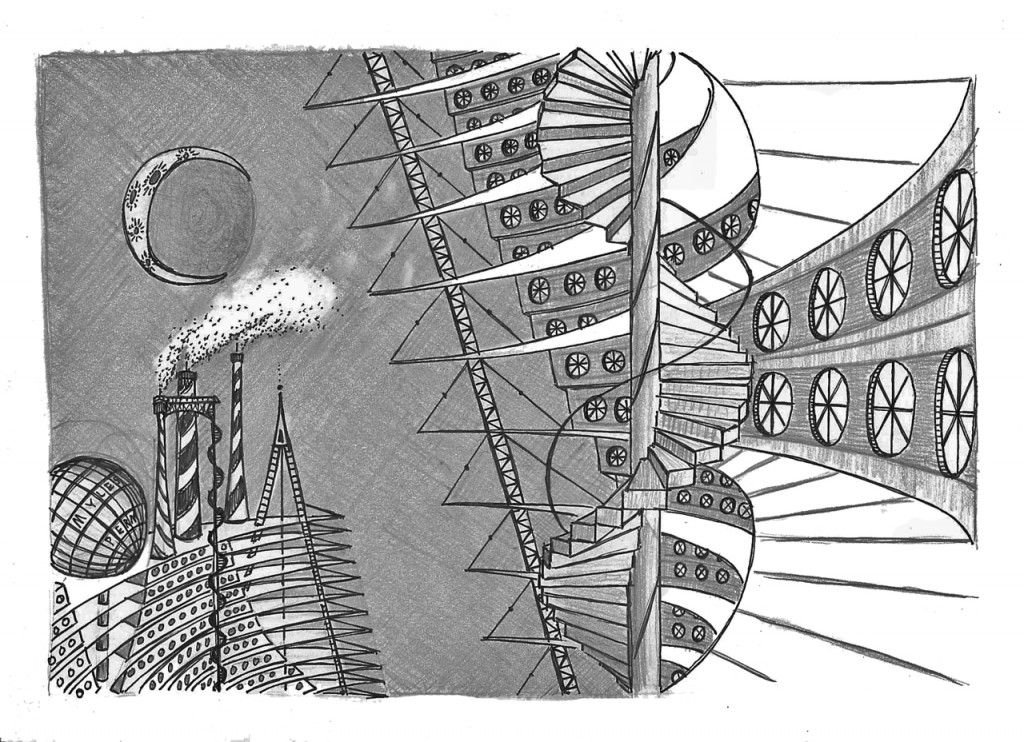
I am skeptical that the limited vision of architects and their “design thinking” can address crises like climate change, income inequality, and social issues. The work of architects usually serves market and corporate profits over genuine solutions. True innovation must eliminate the need for consumerism entirely and seek socialism as the framework to build an ethical relationship with the natural environment and each other. VIEW PUBLICATION >

A Different Kind of Radiant City: Bucharest

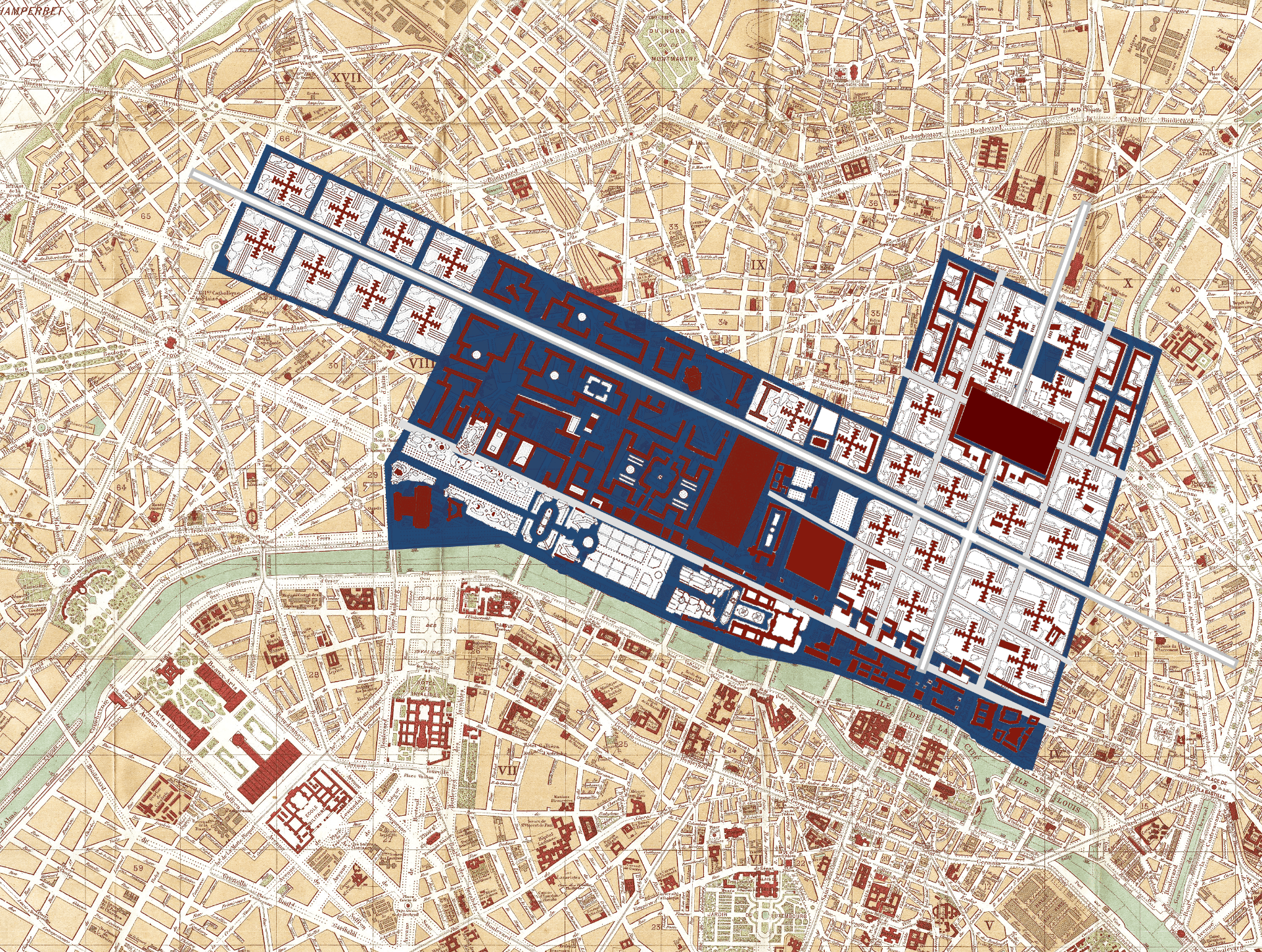
This research compares architect Le Corbusier’s 1920s imaginary Plan Voisin to demolish most of Paris and communist dictator Ceaușescu’s 1980s plans to demolish most of Bucharest, Romania. The unexpected comparison reveals a complex relationship between French utopian and Communist totalitarian visions. Both urban forms reflect deep ideological ambitions, showing how arrogant dreams of modernity displace existing cultures. Ultimately, the comparison illustrates how the urban form reflects the beliefs and prejudices of those tasked with designing the city. VIEW PUBLICATION >

Cathedral of Beauvais: Sublime Visions; Thwarted Ambitions; A Sketch

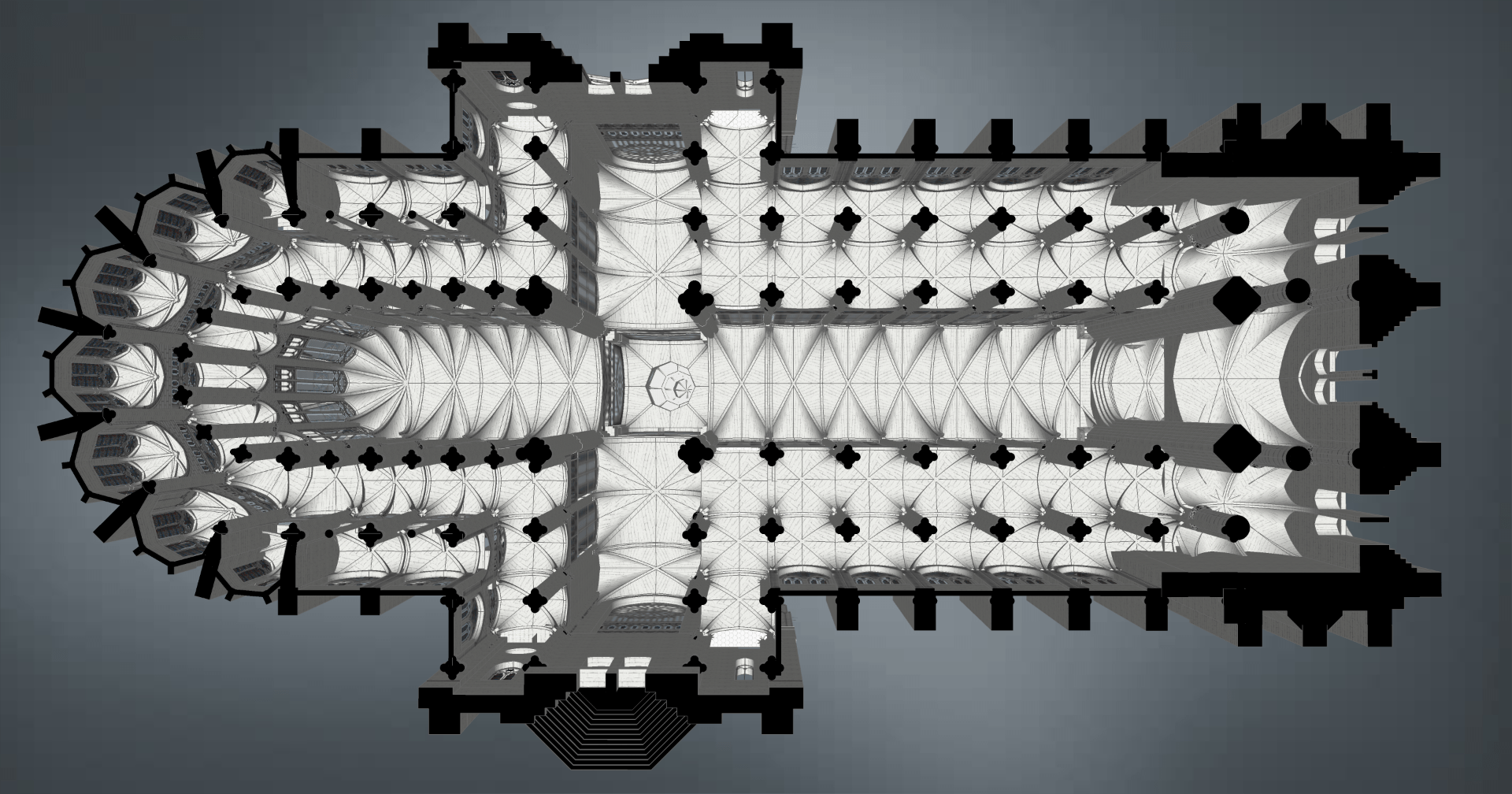
Created with Stephen Murray and published by Columbia University’s Department of Art History & Archaeology for use in Core Curriculum classes. Beauvais Cathedral, the tallest Gothic cathedral in France, began construction in 1225 but was never completed due to major collapses in 1284 and 1573. This animation chronicles its ambitious yet troubled history, showcasing its design intricacies and centuries-long phases of construction. The animation process ultimately highlights the challenges of architectural construction during medieval times.

As published by Columbia University Core Curriculum program VIEW PUBLICATION >

Democracy’s Prison Problem

The existence of democracy and equal rights for all paradoxically depends on denying some individuals of their equal rights, as punishment for violating the democratic society’s social contract. Democracy often perpetuates structures of punishment, raising critical questions about crime, justice, and the ongoing struggle for true democratic ideals. The humane treatment of inmates remains particularly elusive in the U.S. legal system because it is shaped by a 400-year history of slavery, rape, racism, and mass incarceration. VIEW PUBLICATION >

Optimizing Architectural Models for Display Online

Difficulty Level: Intermediate to Advanced.
In this workshop featuring Notre-Dame of Paris as case study, you will learn how to create highly detailed but low-polygon-count models of any building you desire. These visually and geometrically complex models be small enough to load in your web browser. They can be viewed by clients, possible employers, and others online, with no need for them to download files or own specific software. Based on the content delivered in this six-part tutorial, you will be able to create similar models of any building, real or proposed. VIEW PUBLICATION >

The Geography of Racial Segregation in 1940s Detroit

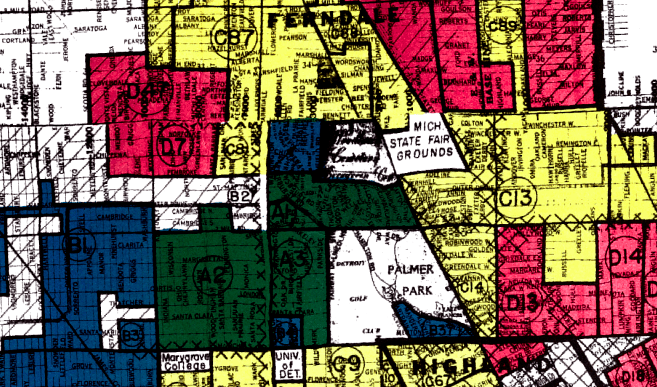
This interactive story map created in ArcGIS visualizes the geography of racial segregation, income inequality, and disparities in homeownership in 1940s Detroit. The origins of Detroit’s contemporary urban crisis originate in specific design, policy, and urban planning decisions made almost a century ago. VIEW PUBLICATION >

“The State is Responsible”

The article examines racial segregation in Royal Oak Charter Township and Detroit Public Schools, exploring how race-based policies have historically influenced public education quality. It highlights how the 1974 Supreme Court case Milliken v. Bradley contributed to growing racial segregation and class inequality between black and white communities in Detroit. VIEW PUBLICATION >

Lorch Column at the University of Michigan

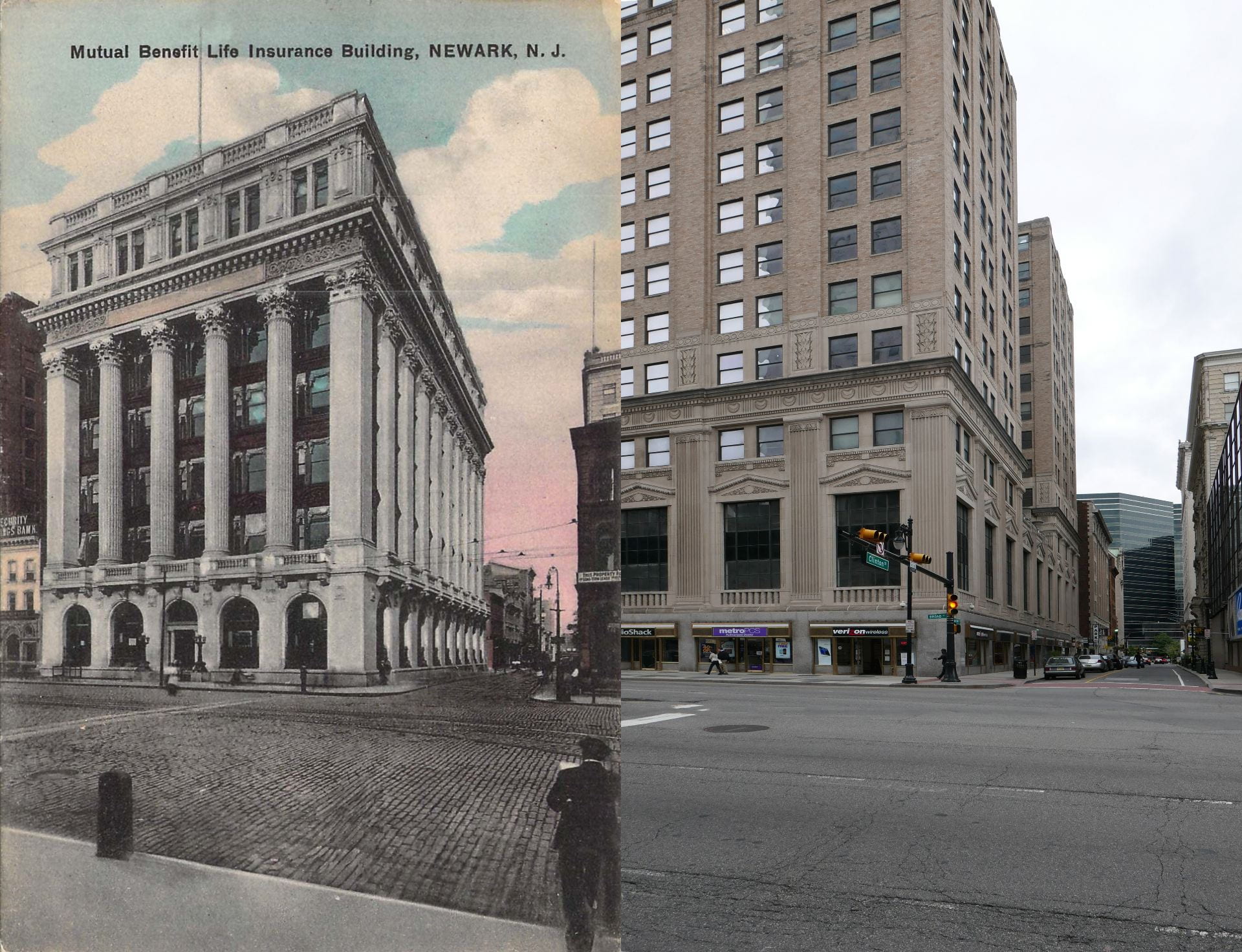
The Lorch Column, a significant architectural salvage from the demolished Mutual Benefit Life Insurance building in Newark, NJ, symbolizes the intersection of history and capitalism. Originally designed to represent strength and wealth, the column was demolished just twenty years later. The column’s migration from Newark to Taubman College the University of Michigan reflects the cyclical nature of architectural life and death, capitalism and creation. In this essay, I interrogate what architecture reveals about time, place, and the culture of capitalism.

As published by the University of Michigan’s College of Architecture & Urban Planning VIEW PUBLICATION >

Historical Reconstruction of Ford Model T Assembly Line

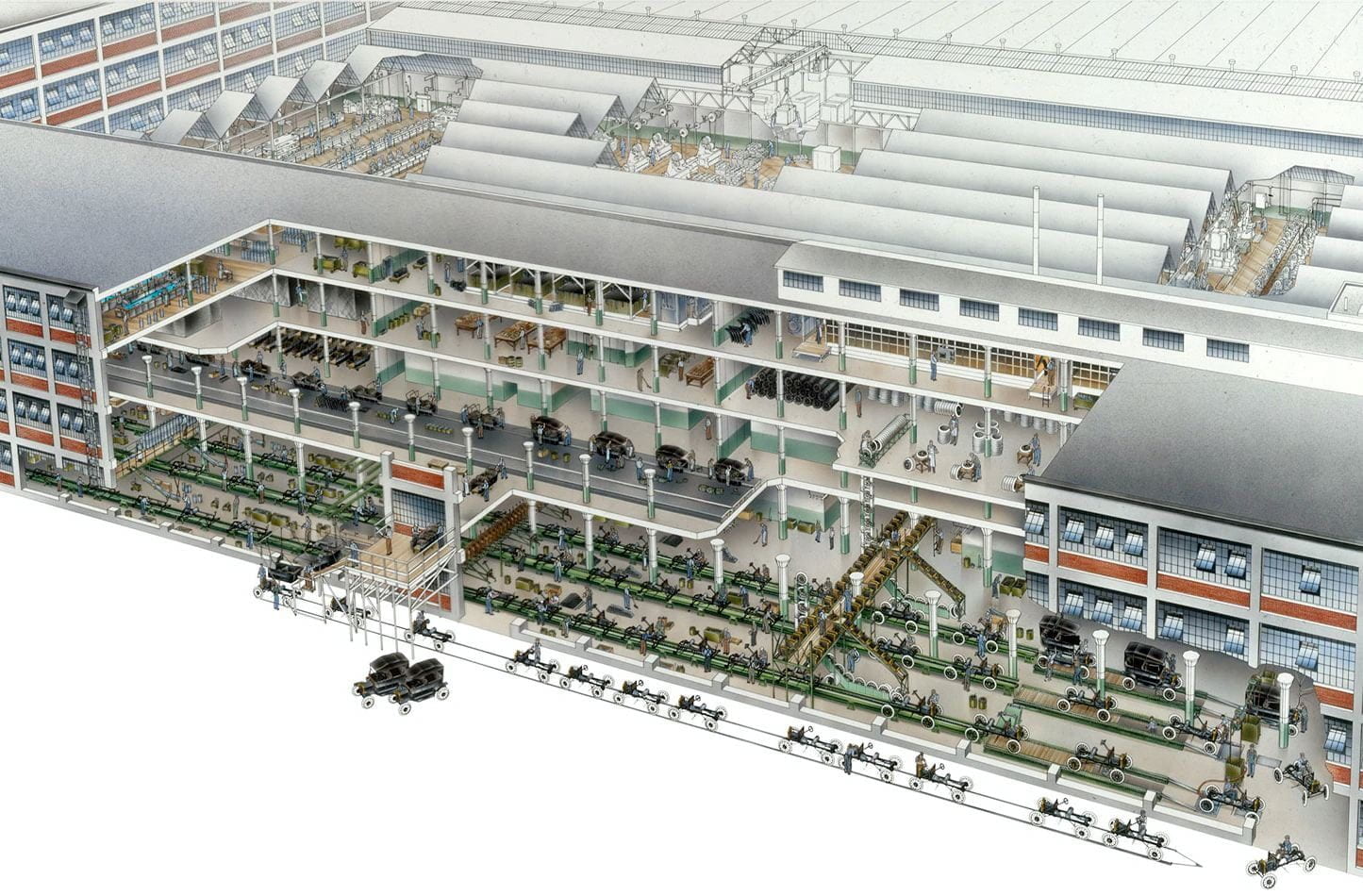
Based on extensive archival documents, this historically-accurate film showcases the assembly of the 1915 Model T Runabout at Ford’s Highland Park factory. This projects represents the first complete visual and cartographic documentation of this manufacturing process from 1908 to 1927. It highlights Ford’s innovative yet evolving assembly line techniques, which revolutionized car production, contrasting with previous methods. VIEW PUBLICATION >

Branch Brook Park Interactive History Map

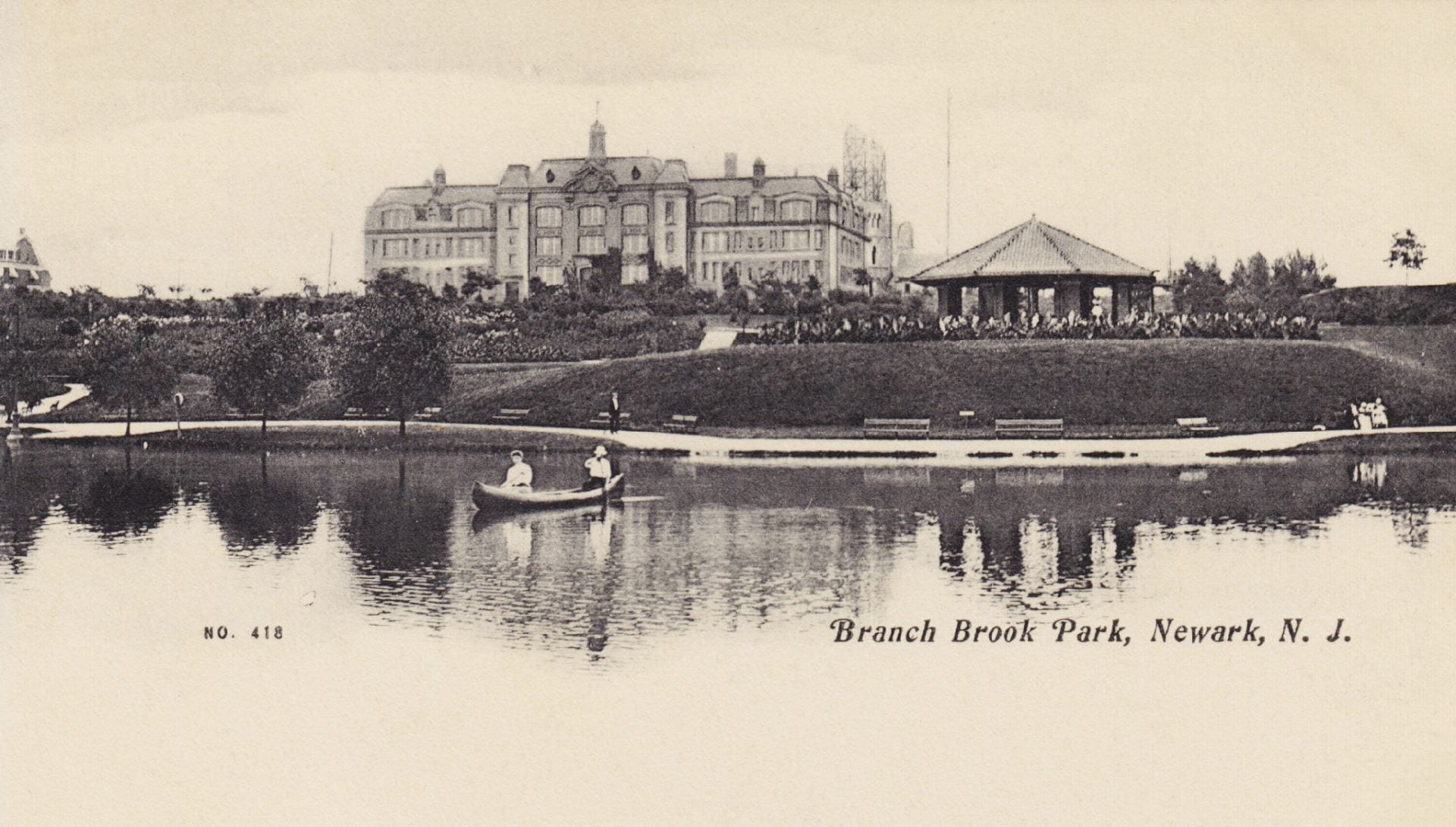
This is the official history map and guide for visitors to Branch Brook Park in Newark, NJ. This 360-acre park was designed by Frederick Law Olmsted Jr in the 1890s and is on the National Register of Historic Places.

Navigate this interactive map to learn about park amenities, recreational spaces, historic sites, transit connections, points of interest like the cherry blossoms, and vanished landscape features from Olmsted’s original plans. Map annotations are paired with explanatory texts and comparative photos of past and present.

Official park map as published by Branch Brook Park Alliance and Essex County government VIEW PUBLICATION >

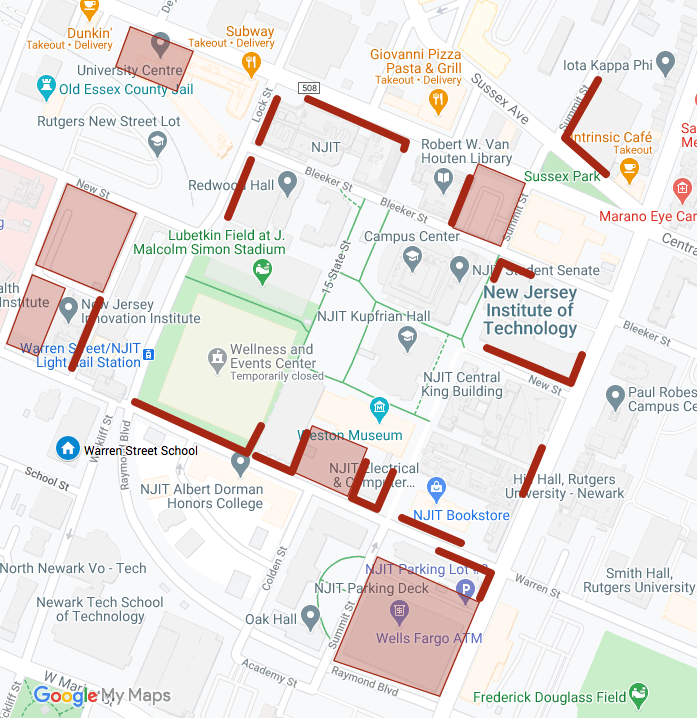
Warren Street School Demolition

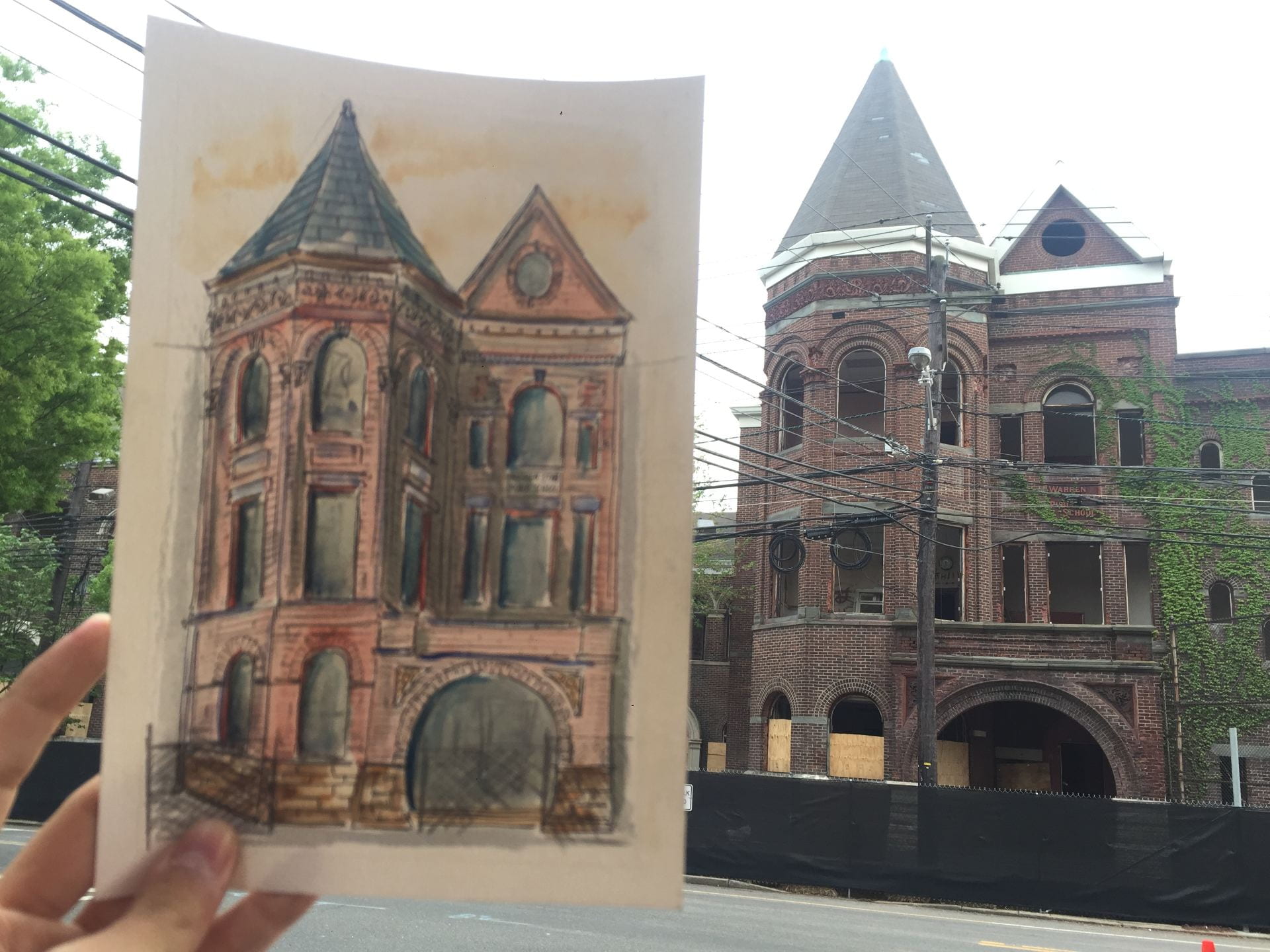
The historic 1890s Warren Street School stood in Newark’s University Heights neighborhood and served a century of public school children. Despite its landmark status and eligibility for future inclusion on the National Register of Historic Places, Newark City Hall approved demolition on April Fool’s Day in 2021. This demolition highlights the New Jersey Institute of Technology’s calculated disregard for architectural heritage. The demolition act also symbolizes a broader trend of city leadership that is ignorant of history and the power of historic preservation to cultivate local identity. VIEW PUBLICATION >

Bulldozer Urbanism

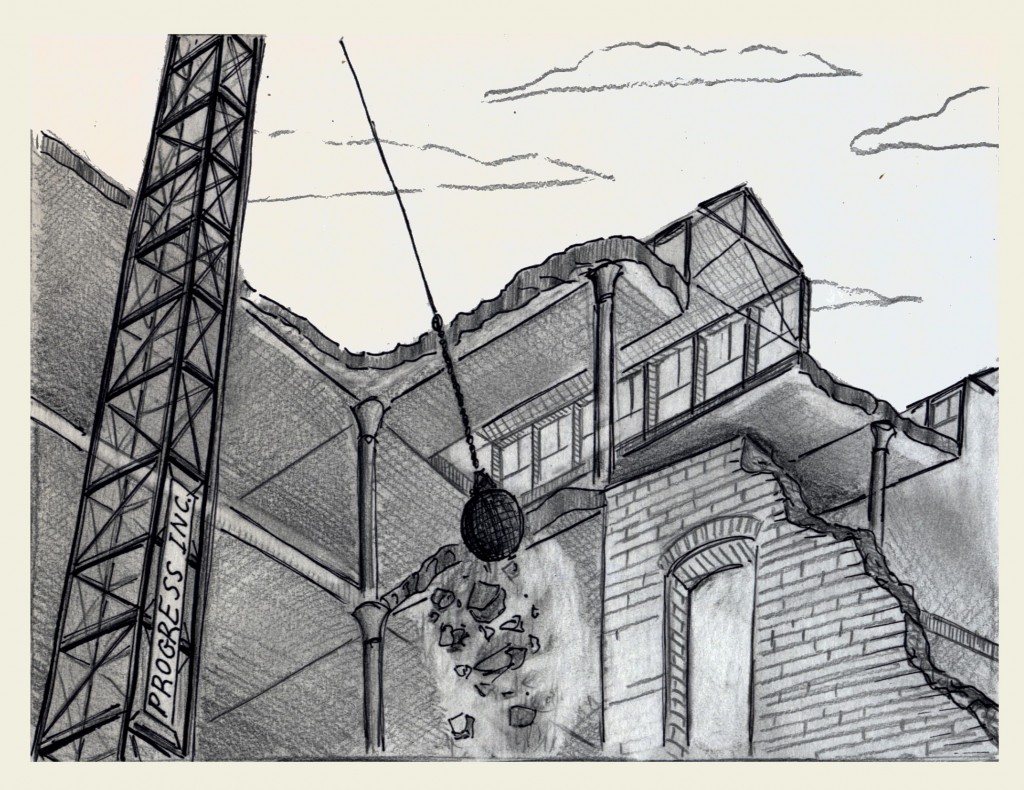
The New Jersey Institute of Technology (NJIT) faces criticism for demolishing historic buildings in Newark’s James Street Commons Historic District. While NJIT invested significantly in architecture for its students, the parts of campus that face toward the city and commmunity lack community engagement and negatively impact urban aesthetics. I advocate for campus planning that enhances neighborhood life and preserves historical assets. VIEW PUBLICATION >

Architecture of Endurance in Manhattan Chinatown

The text and images for this walking tour were created for the non-profit artist collective City as Living Lab, as part of the Jane’s Walks tour series at the Municipal Art Society of NY. In this walking tour with observations of Chinatown’s history and streetscape, I feature a few of my watercolors. I guide visitors to see Chinatown’s architecture as a container and mirror of shifting social norms and a culturally rich immigration history. As people shape their built environment, their built environment in turn shapes them – their values, beliefs, health, and life outcomes.
Read transcript of tour and interactive map of Chinatown created for Municipal Art Society. VIEW PUBLICATION >

The Privatization of Public Space in Lower Manhattan

The decline of public spaces in Lower Manhattan is a pressing issue, threatening democracy and the sense of civic identity. While approximately 60% of Lower Manhattan’s ground area is technically dedicated to public use, only 25% remains truly accessible to pedestrians. Factors like cars, corporations, and surveillance have restricted urban life. Continued privatization erodes the quality and frequency of community interactions that are essential for democratic engagement and tolerance. VIEW PUBLICATION >

University of Michigan PhD Application

The following statements accompanied my successful application in fall 2020 to the architecture PhD program at the University of Michigan’s Taubman College of Architecture and Urban Planning. I received a full scholarship for six years with a graduate student stipend. I share these statements online for future applicants to Michigan or architecture PhD programs in general, in hopes to make the already challenging PhD admissions process at least a little more transparent. VIEW PUBLICATION >

Street Grid Development vs. Population Density

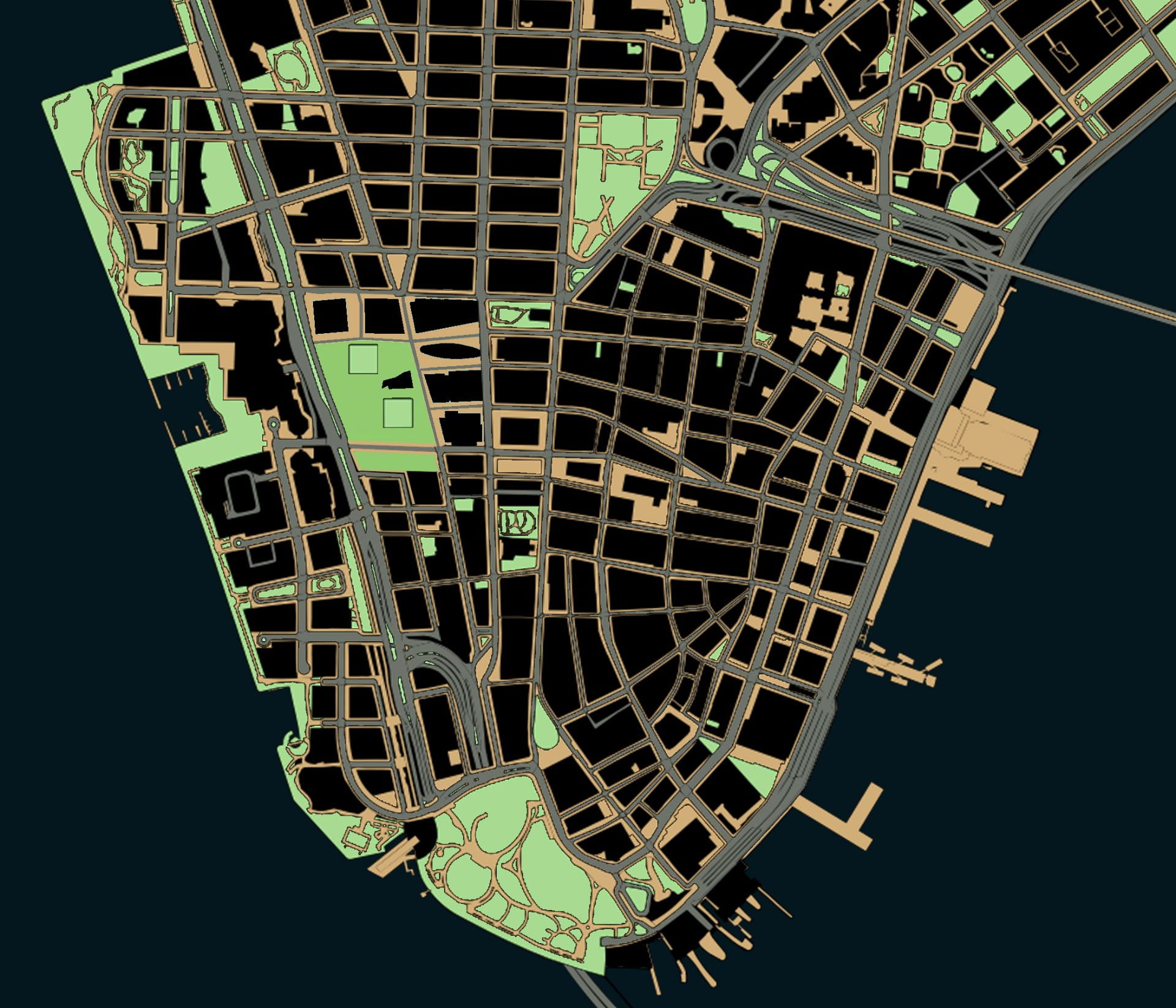
This animation illustrates Manhattan’s urban development from 1801 to 2011, highlighting changes in street grid and population density. While Manhattan peaked at over 2.3 million residents in 1900, it had only 1.6 million in 2020. Improved public transportation after 1900 empowered hundreds of thousands of people to relocate from Manhattan to outer boroughs and suburbs that had more room and better quality housing supply. Manhattan today appears more visually dense and ever more populated with skyscrapers. But, ironically, about 40 percent fewer people live in Manahttan today than a century ago. Fewer people are living in larger apartments. This produces a net decline in population, even while there is a continuous growth in building sizes and heights. VIEW PUBLICATION >
The Detroit Evolution Animation

Old maps were layered and animated to reveal the scale of Detroit’s transformation from French colonial trading post, to 19th-century boom, to 20th-century decline. Cartography highlights how political policies, technological changes, and the Great Migration accelerated racial segregation and the decline of mass transit. Detroit reflects broader trends seen in American cities.

Project developed with historian Robert Fishman for an exhibit and lecture, funded by Egalitarian Metropolis grant from Mellon Foundation. VIEW PUBLICATION >
A Drop of Water

This essay is a brief history and analysis of Newark’s water supply system, based on my experience of walking along the aqueduct from forest origins to urban destination. The journey of Newark’s water supply illustrates the connection between diverse communities in New Jersey, highlighting how the rural, suburban, and urban areas are interlinked. Despite their physical separation, the health and well-being of Newark residents depend on clean water sourced from distant, often affluent regions, revealing societal inequalities in access and environmental safety. VIEW PUBLICATION >
Notre-Dame of Paris Construction Sequence

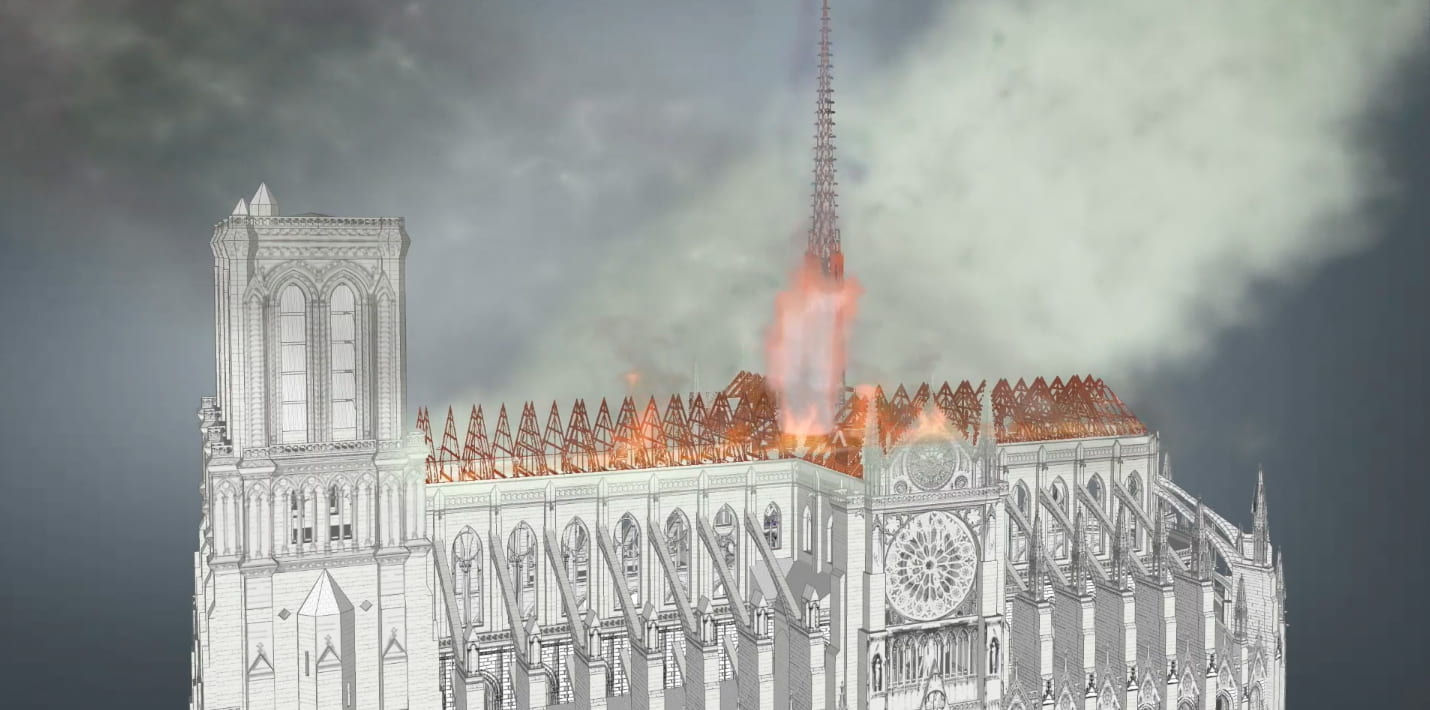
The project was created with historian Stephen Murray and syndicated by the French state, LeMonde newspaper, as well as the official website and social media channels of Notre-Dame. This time-lapse construction sequence follows the cathedral’s gradual evolution from c.1060 to the present, highlighting repeated fires, disasters, and renovation campaigns. Based on detailed site plans and peer-review from experts, the film combines handmade aesthetics with digital precision. Visitors can also explore my VR cathedral model and my video tutorials for creating similar models.

As published by Columbia University, Le Monde, and website of Notre-Dame VIEW PUBLICATION >
Homesteads to Homelots in the Garden State

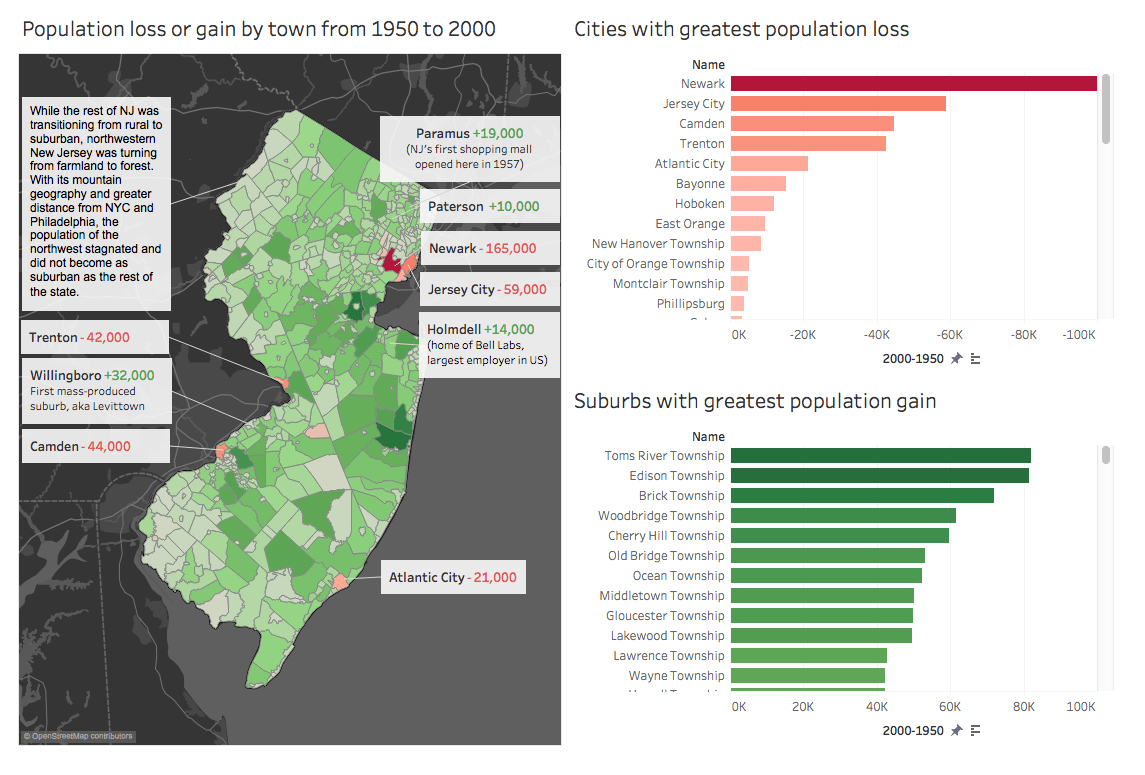
Analysis of US census data reveals spatial trends in New Jersey’s suburban sprawl from the 1920s to 2020s. NJ’s landscape evolved from an urban state in the 1920s to what is now a suburban state with diminished civic realm. This analysis uses data to explore municipal fragmentation, population density shifts, and enduring economic challenges. The state’s unique political geography causes persistently high property taxes and spatial inequality. NJ’s story reveals mirrors larger spatial patterns in American urban history. VIEW PUBLICATION >
Book Review of “Saving America’s Cities”

A review of Lizabeth Cohen’s book

“Saving America’s Cities: Ed Logue and the Struggle to Renew Urban America in the Suburban Age.” (New York: Farrar, Straus and Giroux, 2019. 547 pp.)

Winner of the Bancroft Prize in 2020 for the quality of her historical writing VIEW PUBLICATION >
Imagining a world after the coronavirus

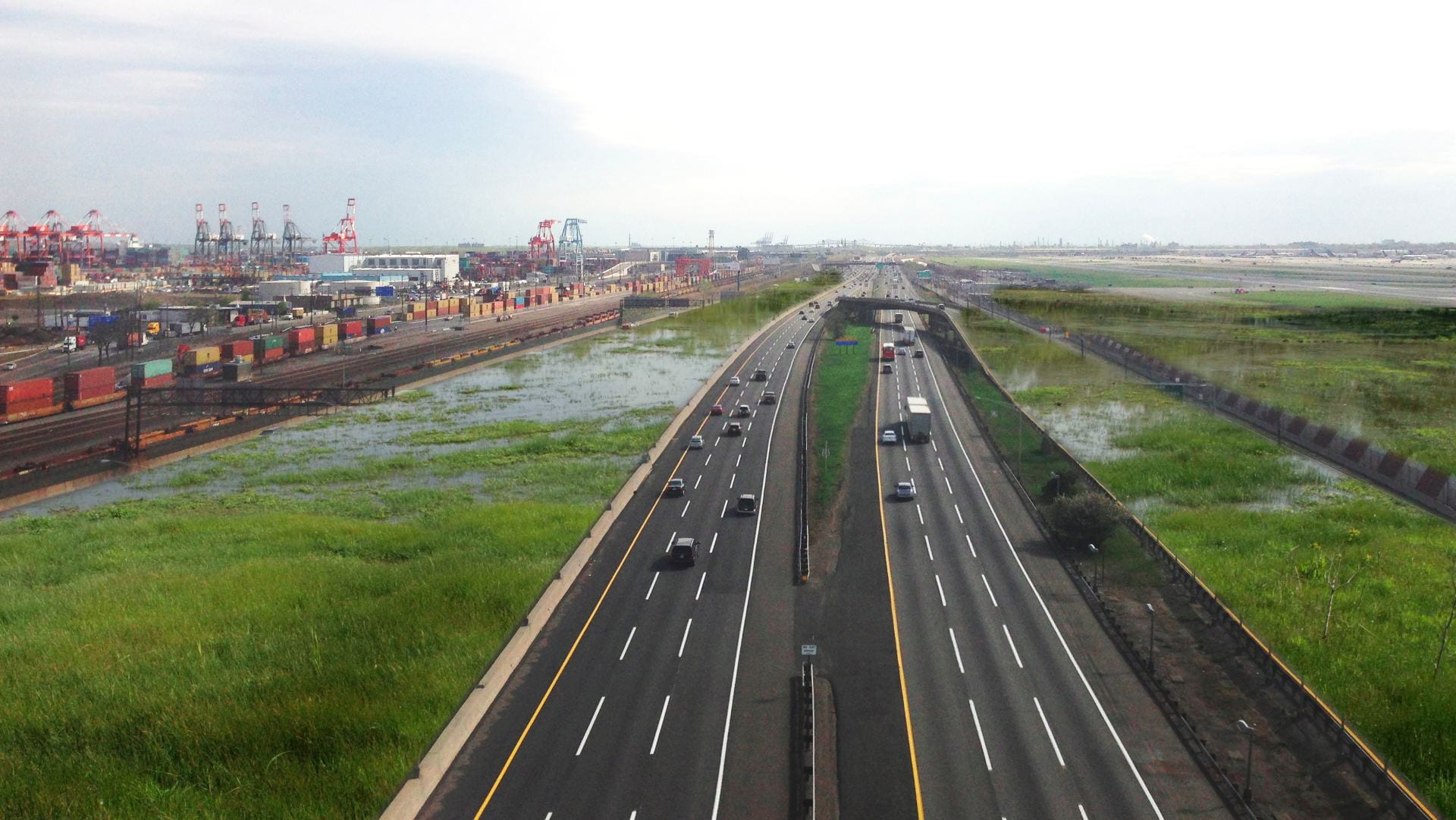
This workshop organized by The Architectural League of New York emphasized the need to reinvent architecture and urban planning in light of the conjoined crises of COVID-19 and climate change. The workshop aimed to bring young professionals together to discuss how to adapt spaces and infrastructures to evolving societal needs, reducing reliance on traditional commuting and repurposing abandoned sites to more sustainable land uses than just surface parking and highways. VIEW PUBLICATION >

The time-lapse history of Manhattan in two minutes

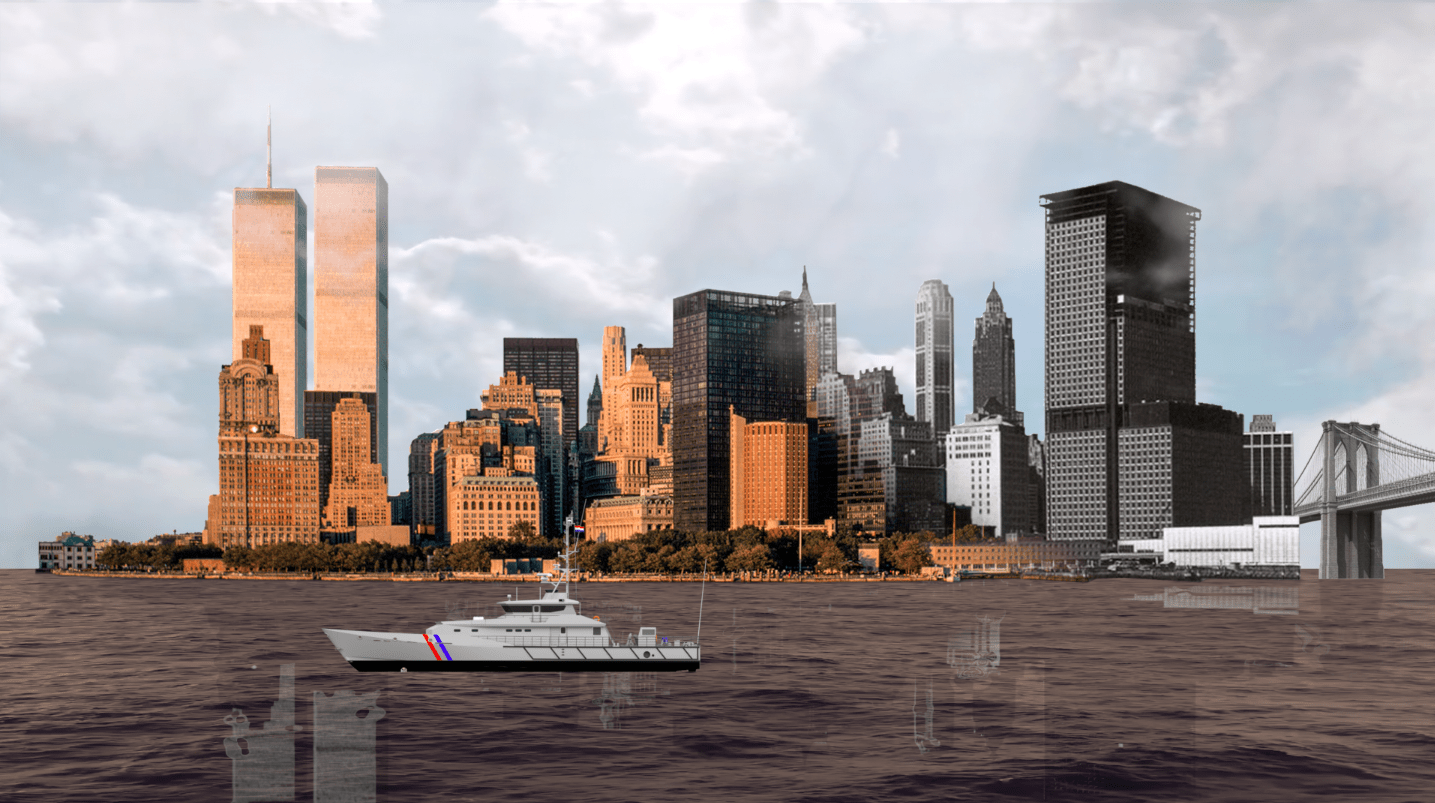
This two-minute time-lapse film illustrates the 400-year transformation of Lower Manhattan from a Dutch village to a modern metropolis, highlighting the impact of new technologies on evolving methods of urban representation. The film draws from seventeenth-century drawings to modern photography, showcasing how each generation perceived and depicted through art the city’s growth and the changing world around them. VIEW PUBLICATION >

Demolishing Public Space at New York Penn Station

The untimely and short-sighted demolition of old Penn Station in 1963 symbolizes the eroding quality of public space in New York City. In the conflict between developers and community voices in New York, the narrow considerations of economic profit triumphed over the broader community’s demands for historical preservation and high-quality public space. In this essay written for historian Evander Price’s summer 2020 class I took at Harvard University, I reflect on what the loss of this landmark reflects about the destructive nature of American capitalism. VIEW PUBLICATION >

Excavating Old New York Penn Station

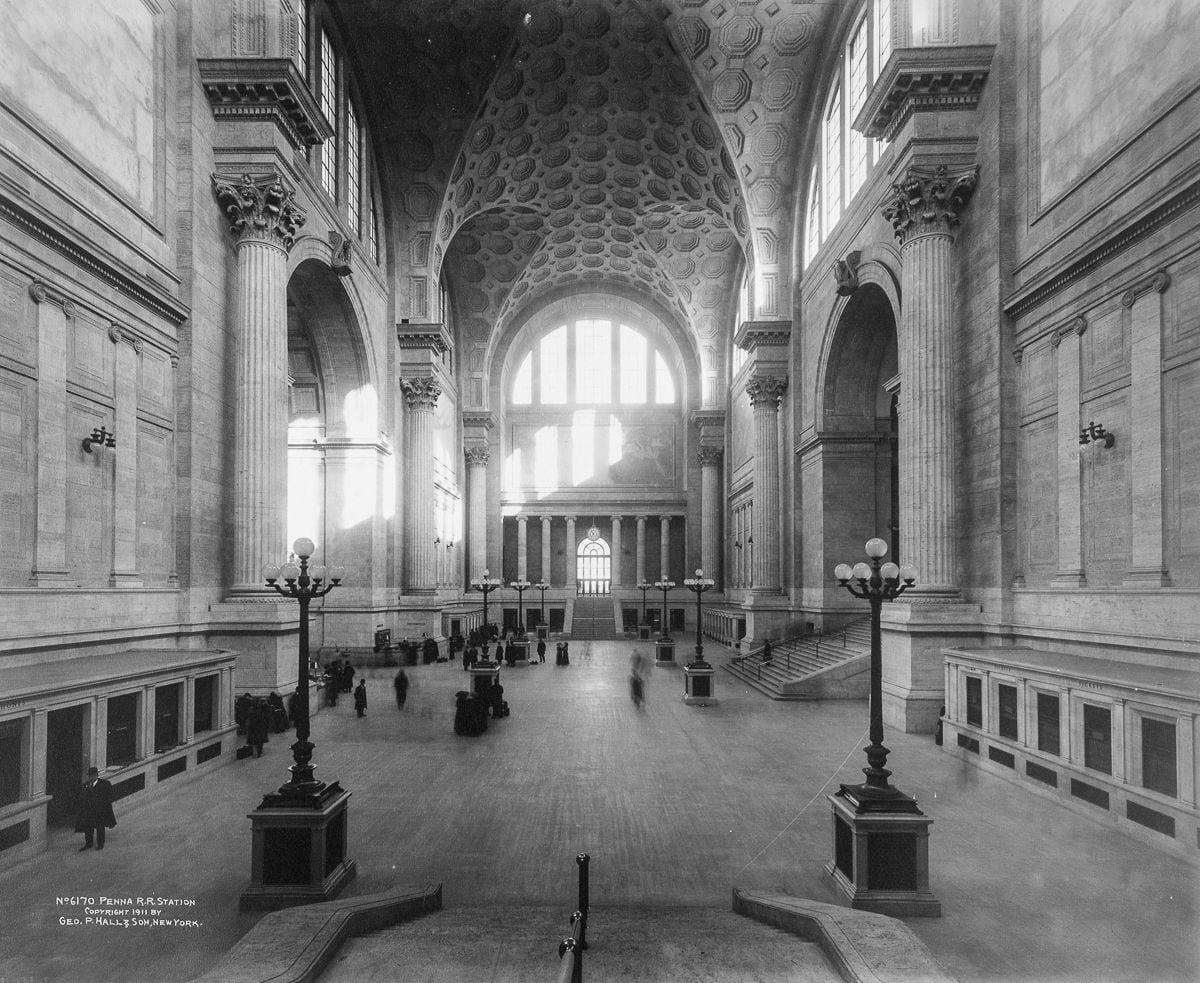
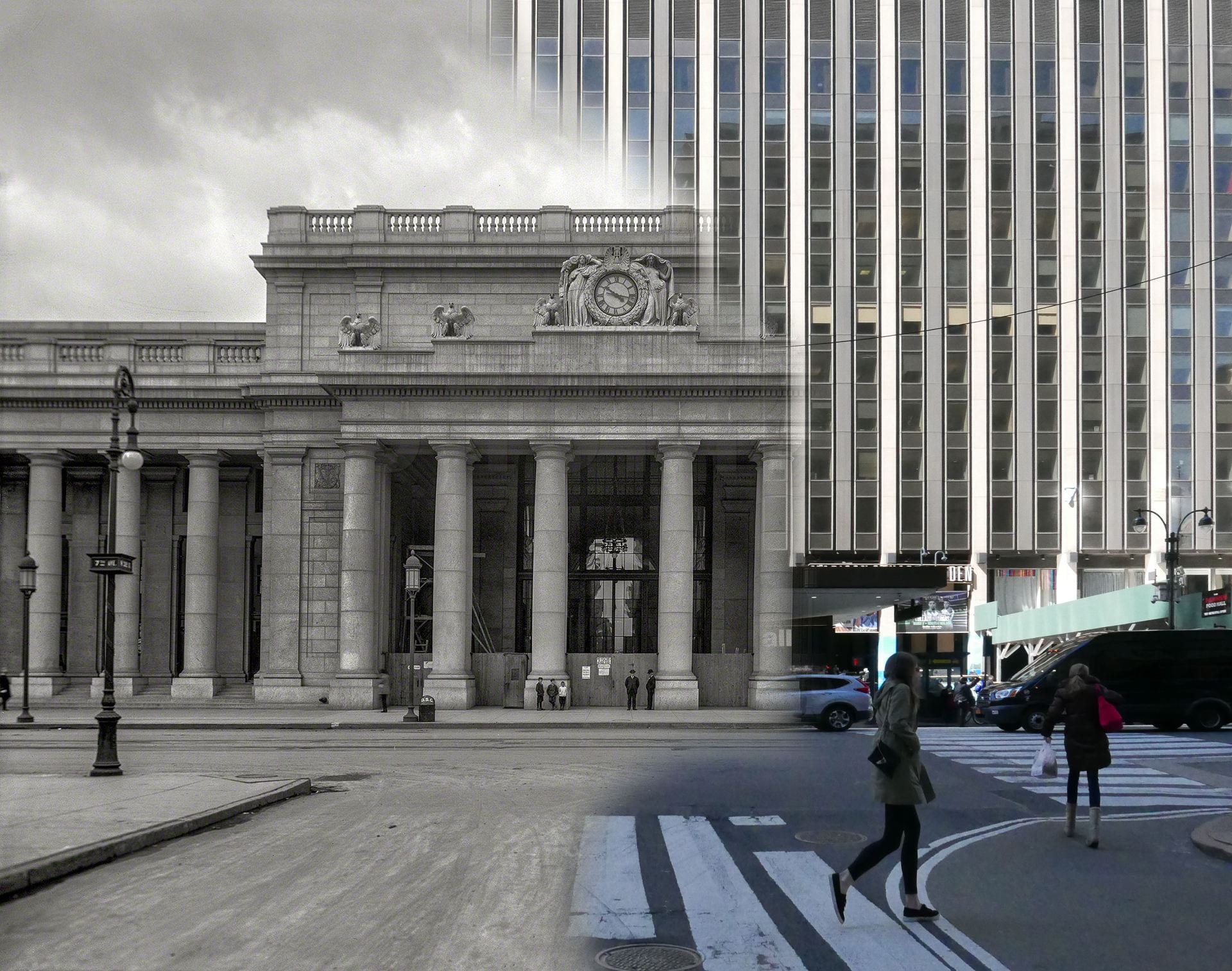
In this computer model and series of image comparisons of past and present, I walk viewers through New York Penn Station. I identify the current and contemporary camera angles from which historical photos were taken in 1911.

The accompanying historical essay explores the historical significance and transformation of this trains station. Originally a grand architectural masterpiece from 1910 that embodied neoclassical design and values, the station was demolished in the 1960s, in order to build a modern structure that lacks its predecessor’s grandeur. VIEW PUBLICATION >

All New York City in one drawing

The ink on paper detailed panorama of New York City took 800 hours to complete. The image measures 45 inches high by 79 inches wide (114 cm by 201 cm) and features every neighborhood and key landmark the length of Manhattan island. As my art project created during the pandemic, it serves as a personal keepsake and reflection of my rich memories of New York City.

Drawing is shared online in lower resolution. Email me for the full-size file. Custom size prints will be mailed to your home address on request. VIEW PUBLICATION >

St. Paul’s Cathedral Dome: a synthesis of engineering and art

This time-lapse construction sequence in film and historical essay analyzes how architect Christopher Wren synthesized engineering and art to create this cathedral. The essay analyzes St. Paul’s Cathedral, highlighting its architectural significance through the lens of Eugène-Emmanuel Viollet-le-Duc’s thesis-antithesis-synthesis framework. St. Paul’s is a blend of advanced engineering and artistic expression reflective of Enlightenment thought, showcasing innovation in design and construction while mirroring cultural shifts in London at the time. VIEW PUBLICATION >

Architecture of Redemption?

My master’s of architecture thesis at the University of Cambridge. This research explores the contradictions of solitary confinement at Eastern State Penitentiary in Philadelphia. This prison experimented with prolonged solitary confinement in the 1830s to inspire the redemption of inmates. By analyzing Jeremy Bentham’s plans for the ideal panopticon prison, architect John Haviland’s designs for this specific prison, and visitor accounts of prison’s daily operations, my thesis examines the builders’ philosophical assumptions about utopia, architecture, and human nature. VIEW PUBLICATION >