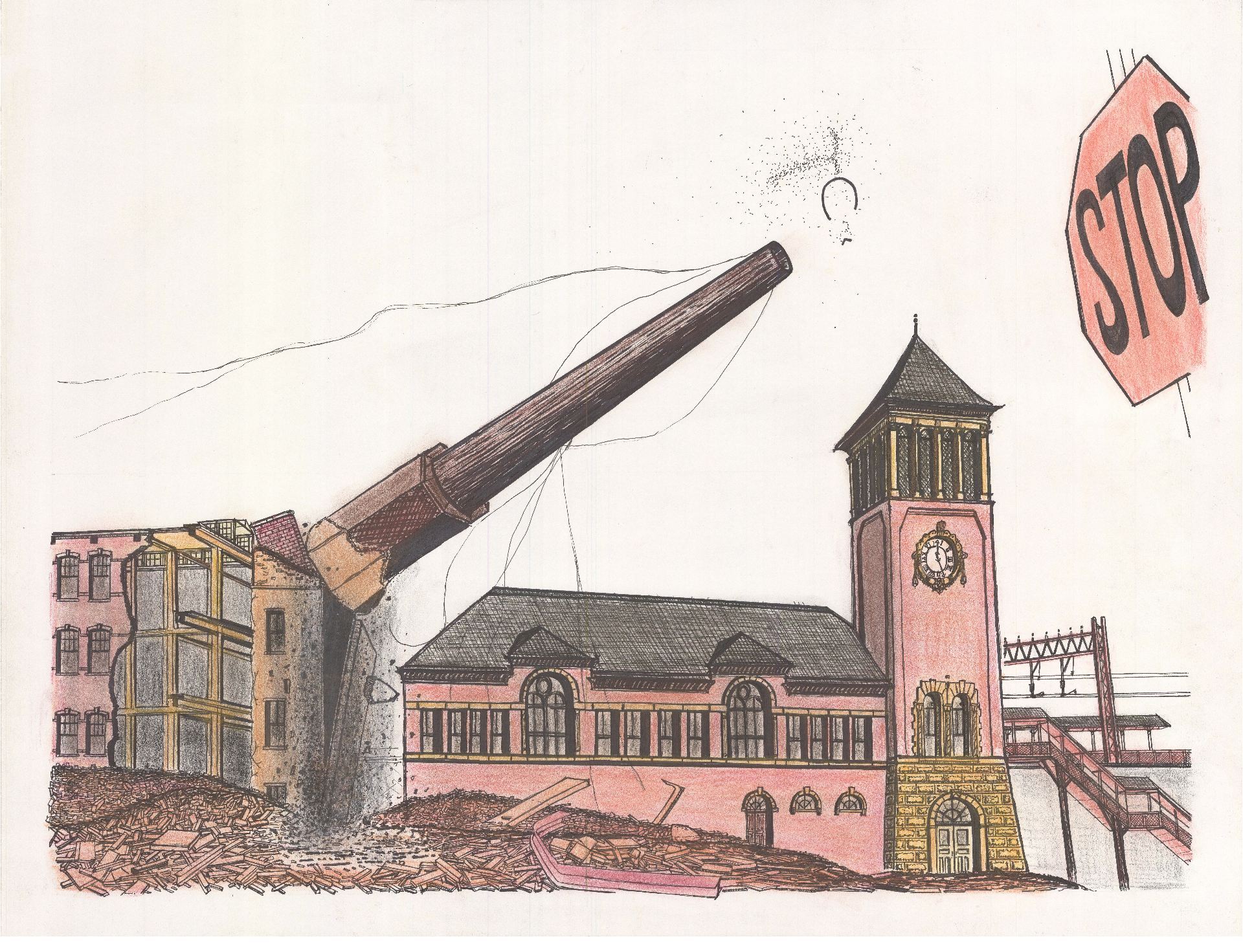
Say no to the Ironbound trash incinerator!

Myles Zhang addressed the Newark City Council in July 2025, criticizing the Covanta trash incinerator for polluting the air, skies, and health of Newark residents. His public testimony highlighted the disparity between the affluent suburban communities that produce this waste vs. the impoverished urban communities where this waste is disposed. Myles’s research argues for fairer reparations and pushes for environmentally sustainable alternatives to improve the health outcomes of Newark residents. VIEW PUBLICATION >

Visiting Cuba helped me realize that another world is possible.

My recent visit to Havana, Cuba with the non-profit Solidarity Collective of artists and poets deepened my understanding of American Empire’s impact on other nations and immigrant communities. Observing Cuba’s resilience facing adversity, I observed the governing philosophies of an alternative society that valued community over capital. The experience empowered me to see the potential for collective solidarity and meaningful existence despite material scarcity. VIEW PUBLICATION >

Built on a Billion-Dollar Bed of Corporate Tax Breaks

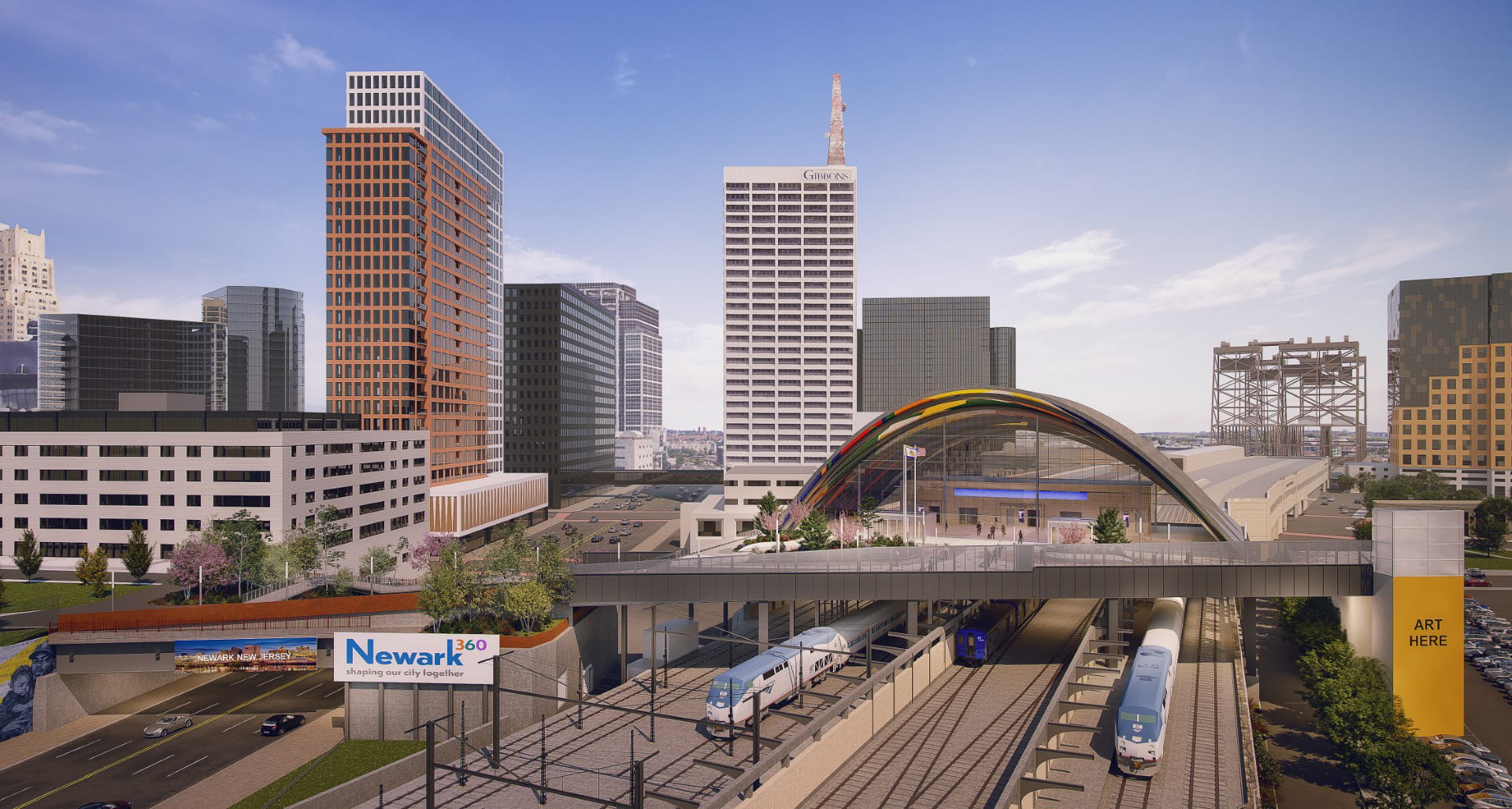
This research examines tax breaks and public funds granted to help developers build in Downtown Newark. There are inequities in who benefits from these incentives: Larger corporations receive substantial tax breaks while smaller developers and small business owners struggle. The report proposes several policy recommendations for ensuring equitable economic Downtown redevelopment, highlighting the need for public accountability and fair property tax assessments. The problem is not tax breaks. The problem is: Who gets them? VIEW PUBLICATION >

The Paterson Silk Strike in Historical Perspective

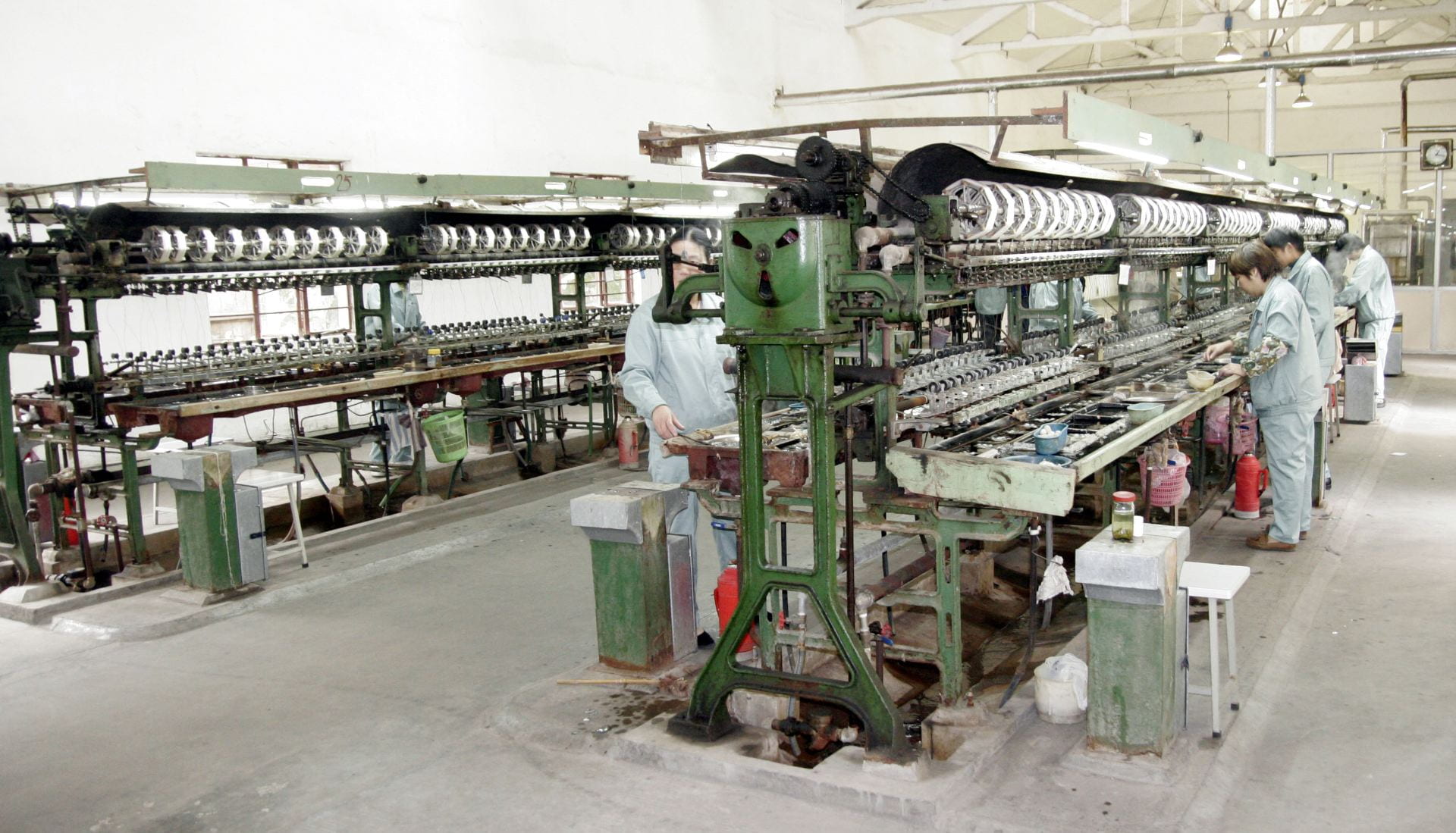
1913 to 2023 A century later, the mills of Paterson sitting abandoned, their machines silent Image source: LoC, HABS,link to left image and right image Exactly 110 years ago today – on July 28, 1913 – Paterson silk mill workers voted to end their strike. Their strike had failed. But what has changed (or not) since then frames their historical struggle in the context of ongoing labor battles. The strikers’ motivations are as relevant in 2023 as they were in 1913: the fight for a living wage, for an eight-hour day, and – ultimately – for the right to work… VIEW PUBLICATION >

A park without trees creates a city without history.

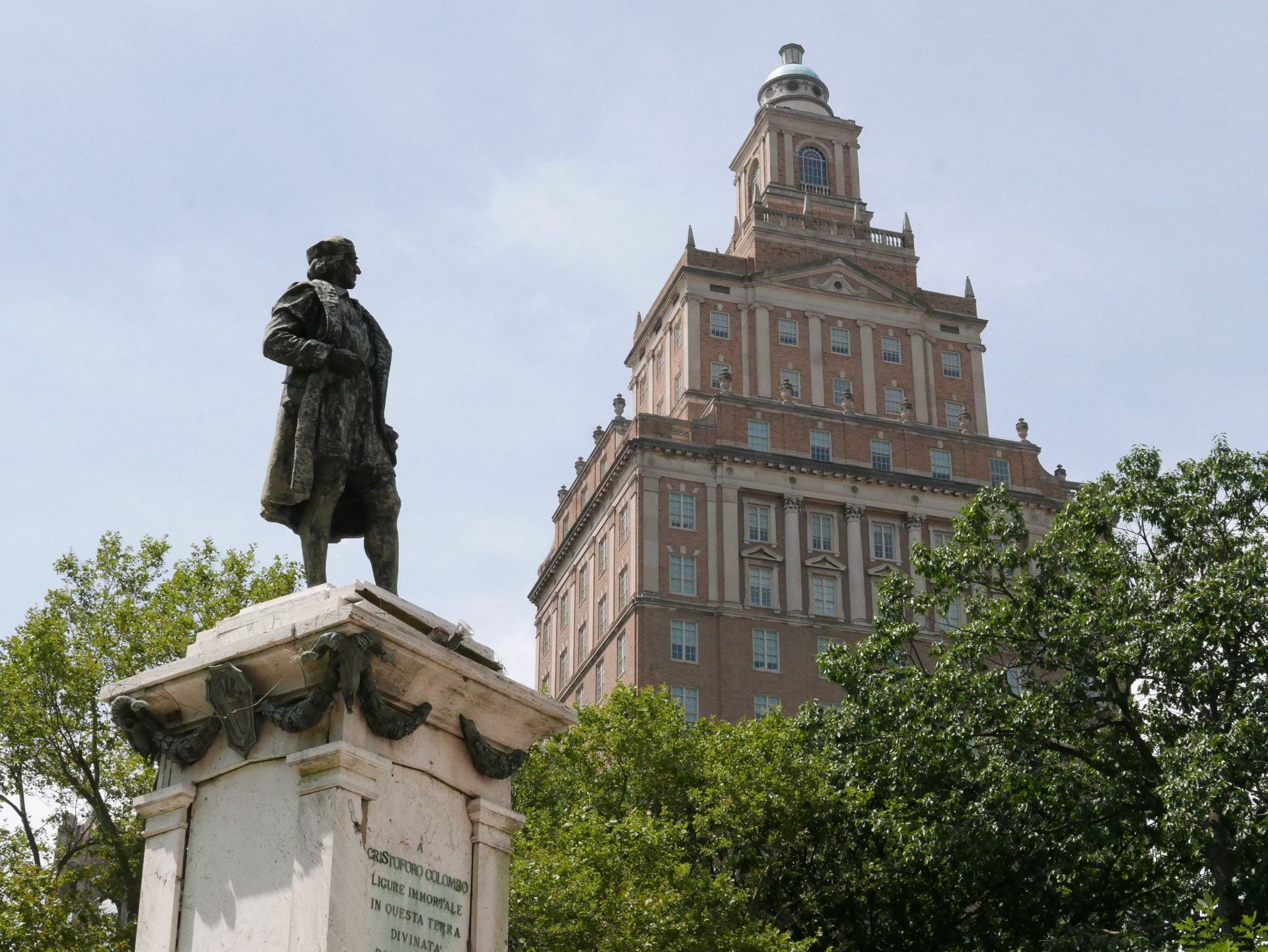
Washington Park in Downtown Newark (renamed Harriet Tubman Square) is home to dozens of significant old-growth trees, some almost 200 years old. In 2022, local real estate developer Marc Berson proposed to cut down all of these tries – likely in a pre-emptive effort to build a parking garage beneath this historic park. These trees symbolize freedom and oppression in the African-American (and human) experience, and their preservation is vital to honoring history and heritage. Thanks to community efforts led by the city’s Italian community, Berson’s proposal was denied. VIEW PUBLICATION >

We cannot design our way out of this crisis.

I am skeptical that the limited vision of architects and their “design thinking” can address crises like climate change, income inequality, and social issues. The work of architects usually serves market and corporate profits over genuine solutions. True innovation must eliminate the need for consumerism entirely and seek socialism as the framework to build an ethical relationship with the natural environment and each other. VIEW PUBLICATION >

Warren Street School Demolition

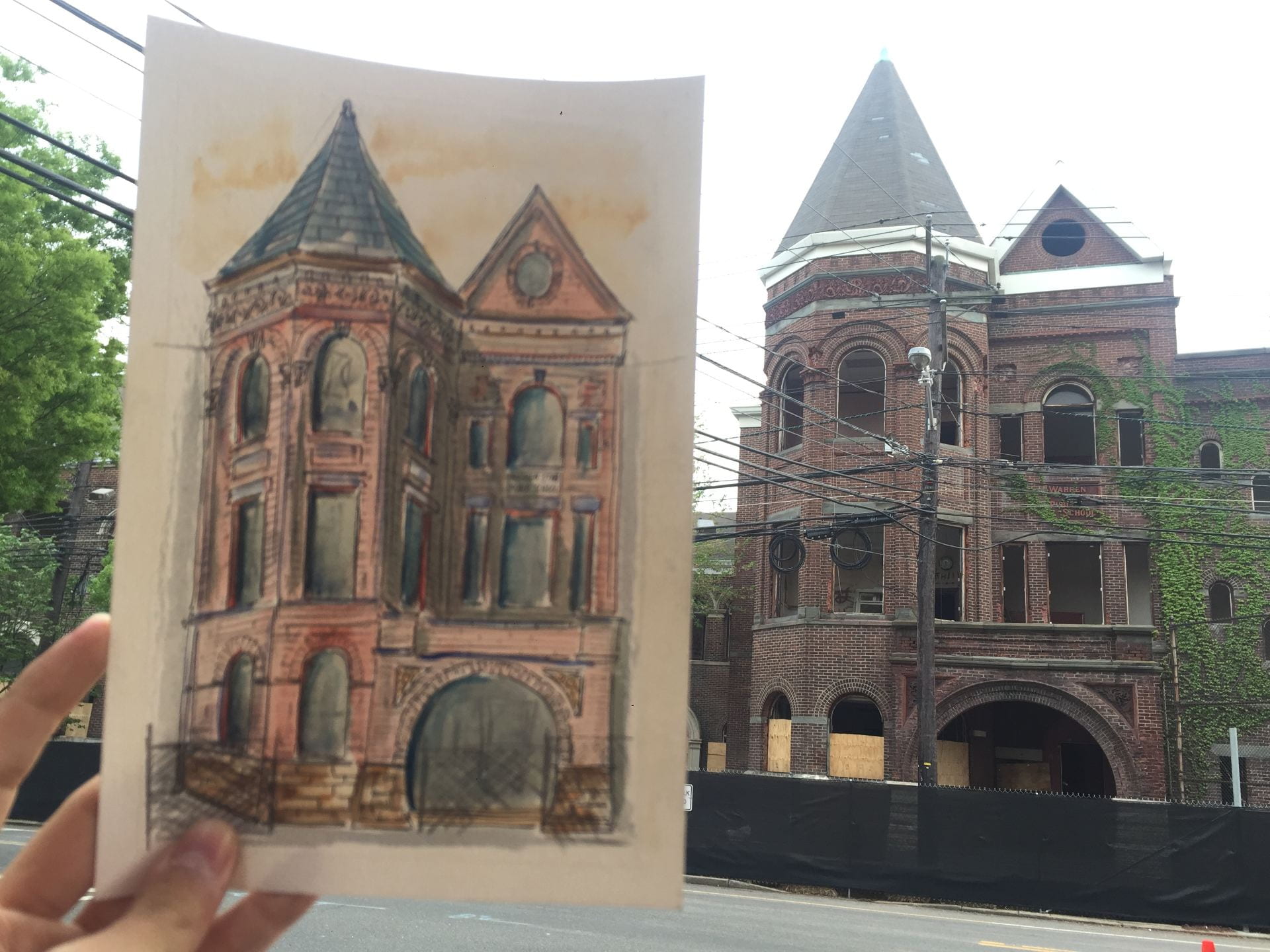
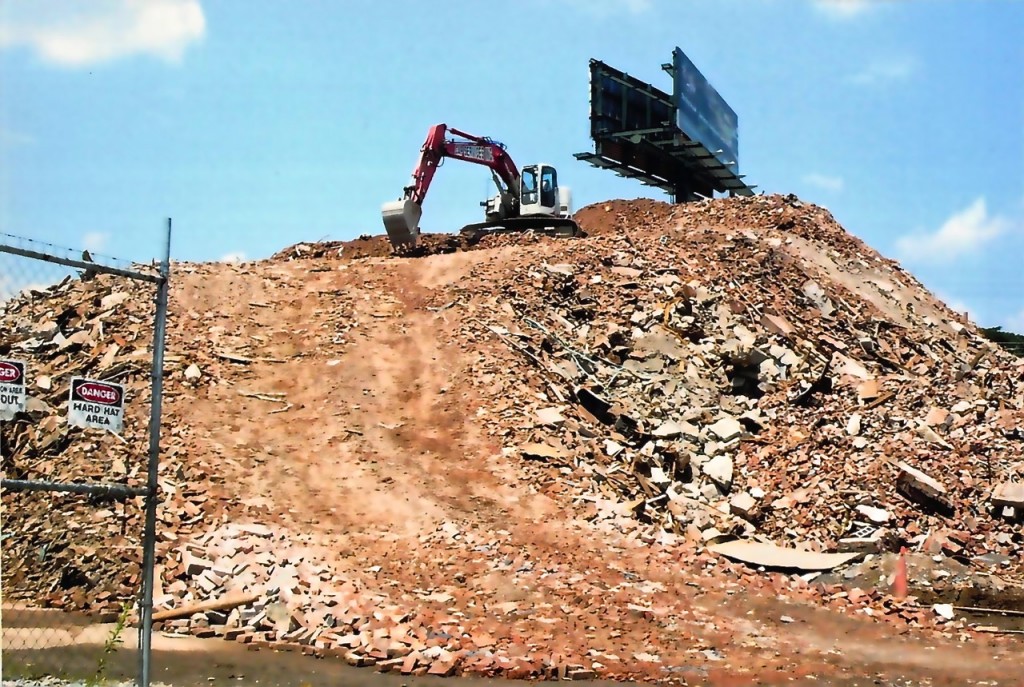
The historic 1890s Warren Street School stood in Newark’s University Heights neighborhood and served a century of public school children. Despite its landmark status and eligibility for future inclusion on the National Register of Historic Places, Newark City Hall approved demolition on April Fool’s Day in 2021. This demolition highlights the New Jersey Institute of Technology’s calculated disregard for architectural heritage. The demolition act also symbolizes a broader trend of city leadership that is ignorant of history and the power of historic preservation to cultivate local identity. VIEW PUBLICATION >

Bulldozer Urbanism

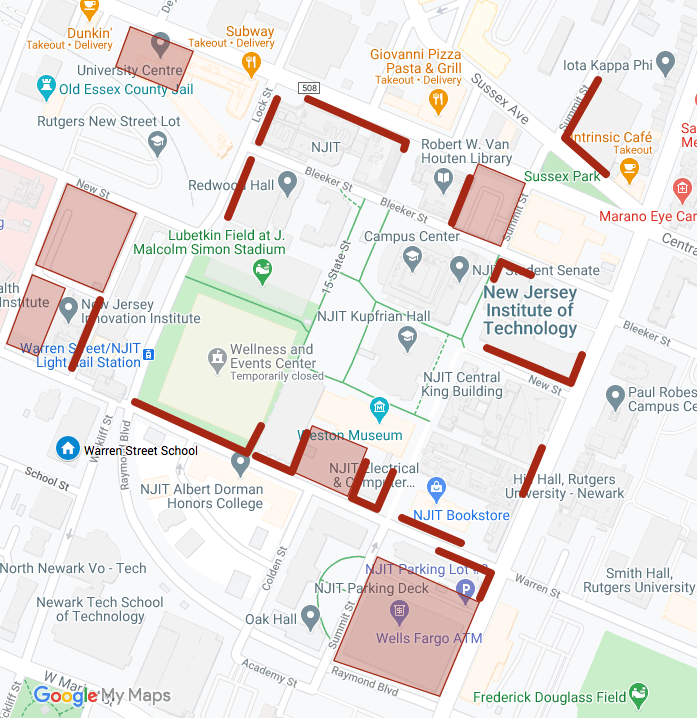
The New Jersey Institute of Technology (NJIT) faces criticism for demolishing historic buildings in Newark’s James Street Commons Historic District. While NJIT invested significantly in architecture for its students, the parts of campus that face toward the city and commmunity lack community engagement and negatively impact urban aesthetics. I advocate for campus planning that enhances neighborhood life and preserves historical assets. VIEW PUBLICATION >

The Privatization of Public Space in Lower Manhattan

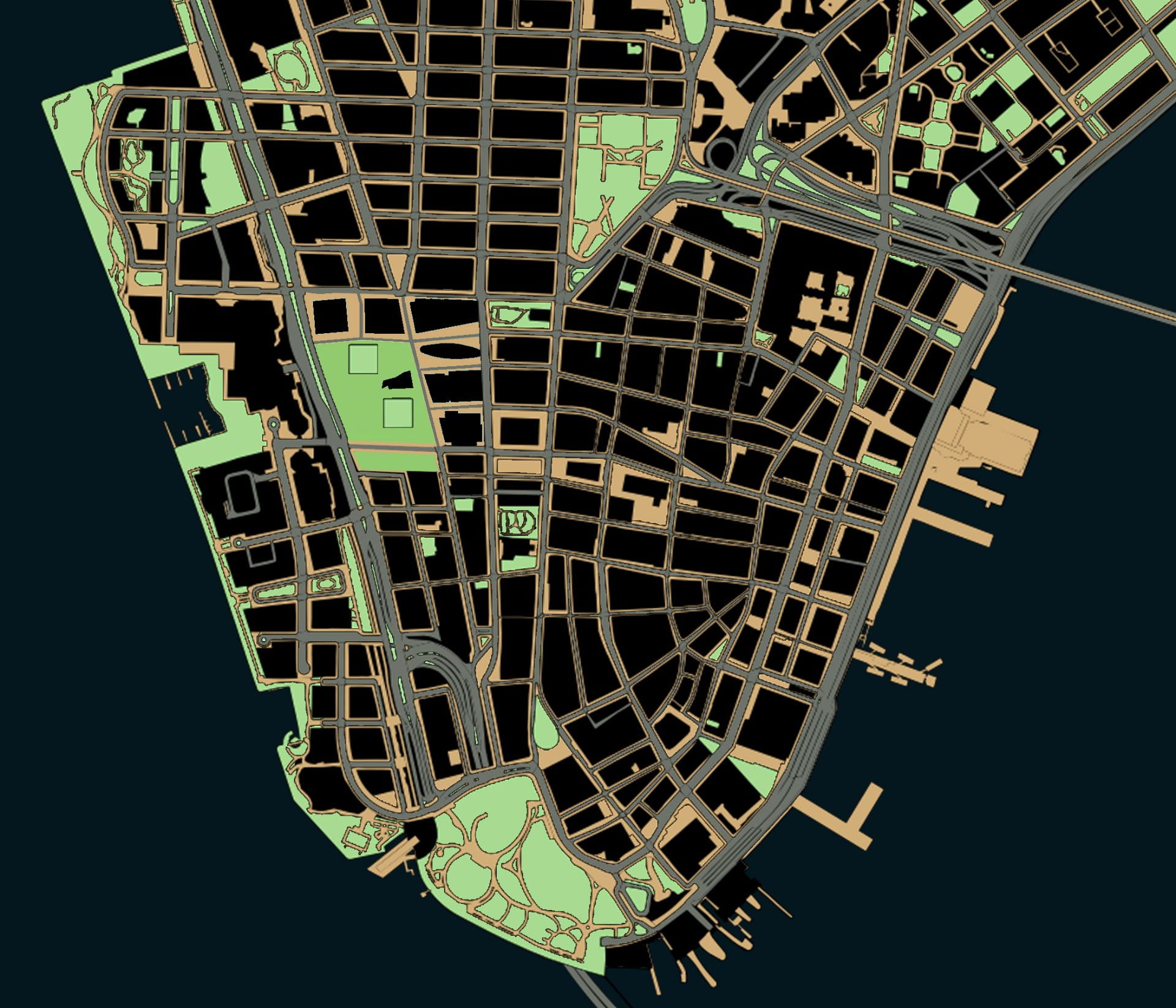
The decline of public spaces in Lower Manhattan is a pressing issue, threatening democracy and the sense of civic identity. While approximately 60% of Lower Manhattan’s ground area is technically dedicated to public use, only 25% remains truly accessible to pedestrians. Factors like cars, corporations, and surveillance have restricted urban life. Continued privatization erodes the quality and frequency of community interactions that are essential for democratic engagement and tolerance. VIEW PUBLICATION >

Geography of Marijuana Arrests

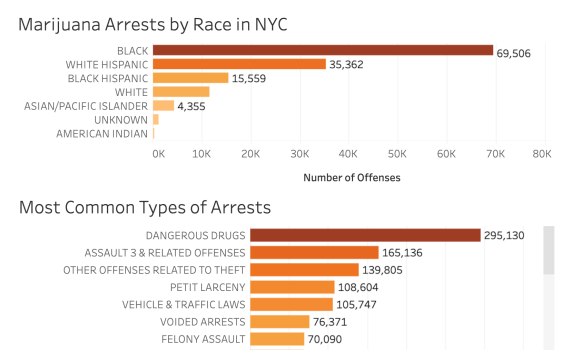
Before the legalization of recreational marijuana in 2021, the NYPD reported over 102,000 marijuana-related arrests in 2017, disproportionately affecting Black males from low-income areas, despite similar usage rates among other demographics. This system wastes taxpayer dollars and perpetuates a cycle of criminalization for those impacted by arrests. In this series of data visualizations and maps, I walk readers through the geography of marijuana incarceration. VIEW PUBLICATION >

Urban Garden in Newark

By Myles and Maia Zhang
Our family’s reflection and photo essay on the annual tradition we have of planting flowers in a vacant lot.

“In time, we will wind our way and rediscover the role of architecture and man-made forms in creating a new civilized landscape. It is essentially a question of rediscovering symbols and believing in them once again. […] Out of a ruin a new symbol emerges, and a landscape finds form and comes alive.”

– John Brinckerhoff Jackson VIEW PUBLICATION >

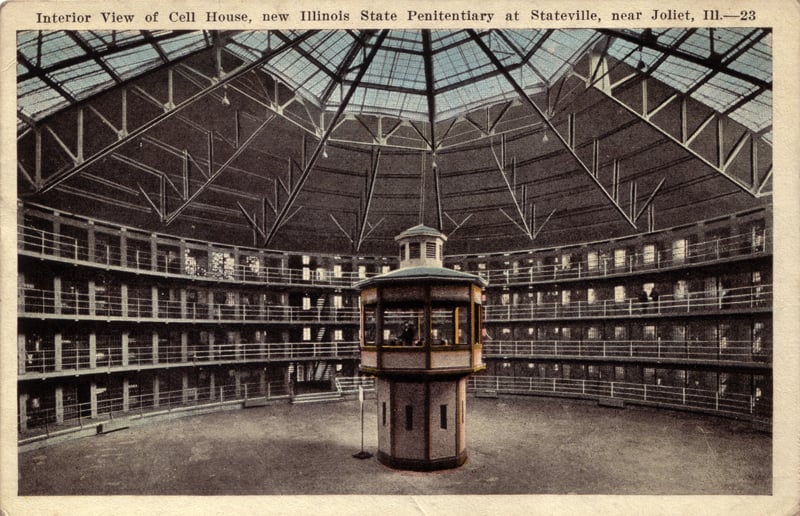
The Panopticon and Trouble in Utopia

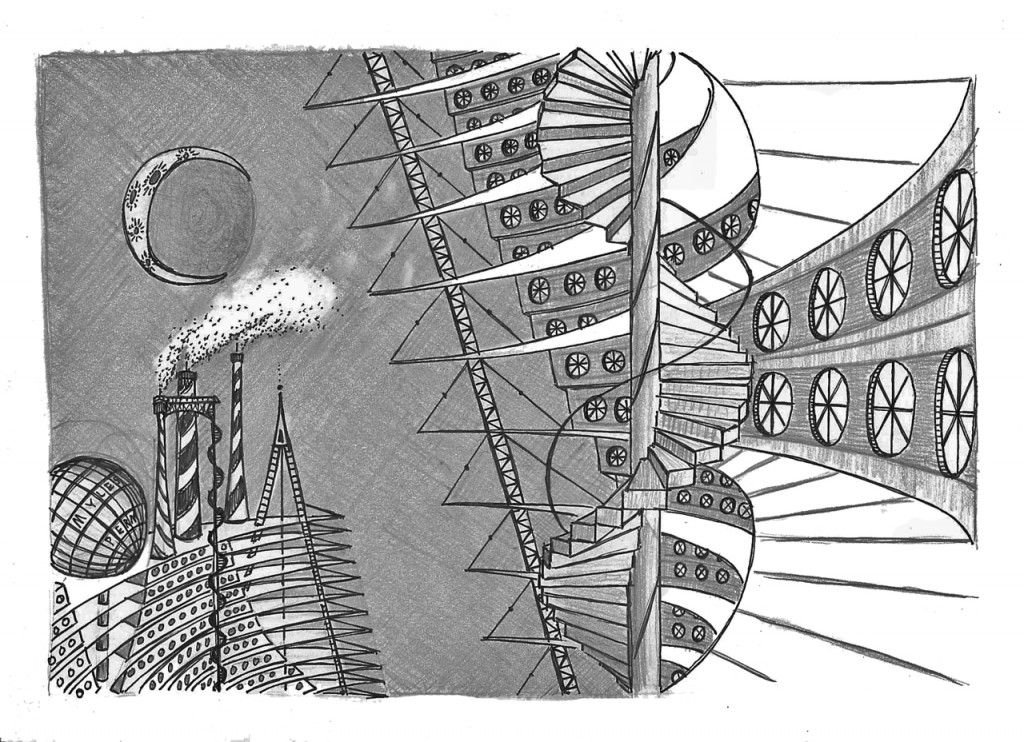
Despite the seeming differences between them, many utopias and dystopias often resemble the panopticon, a model of the ideal surveillance state. In fact, panopticon, dystopic police state, and utopian society share common goals: total observation, total power, and unquestioned control. VIEW PUBLICATION >

Public Speech: parking vs. preservation

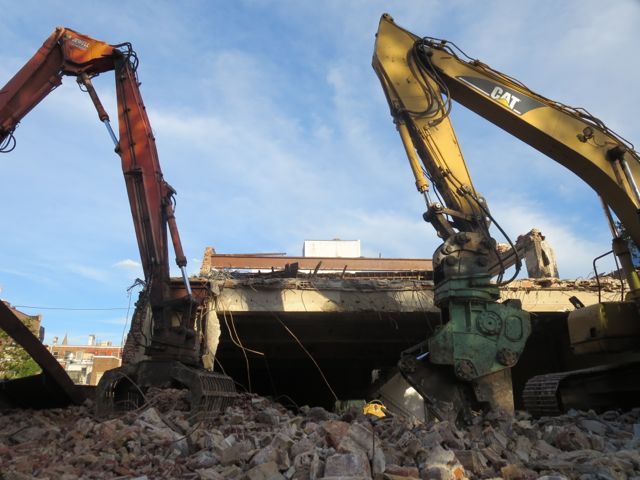
As featured by NJ.com in spring 2019 Update: Following a case filed by New Jersey Appleseed Public Interest Law Center on behalf of PLANewark, Edison Parking admitted that they demolished this building without seeking proper permission from city and state agencies. Edison was in negotations out of court with PLANewark about ways to mitigate the damage they caused. On a warm Sunday in August 2014, bulldozers started tearing away at a historic, turn-of-the-century loft space. Although the first floor was sealed with cinder blocks, the upper floor was adorned with large Chicago-style windows, intricate white terracotta carvings, and Greco-Roman ornament…. VIEW PUBLICATION >