• Almost all of the following architectural and urban history publications are peer-reviewed.
    They are republished in full on my website, so as to guarantee public access by people outside academia. Contact me.

Historic preservation is a better business model.

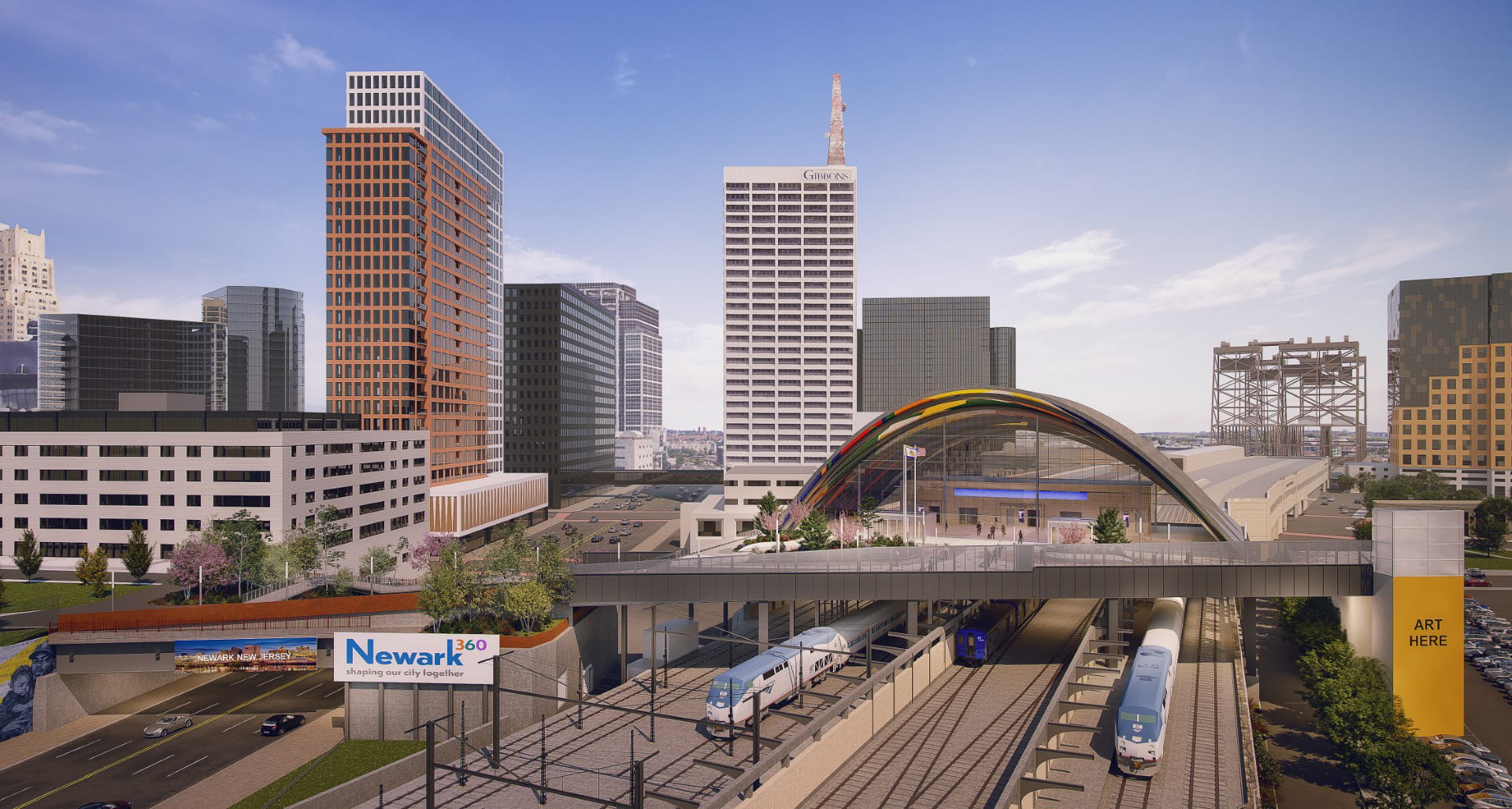
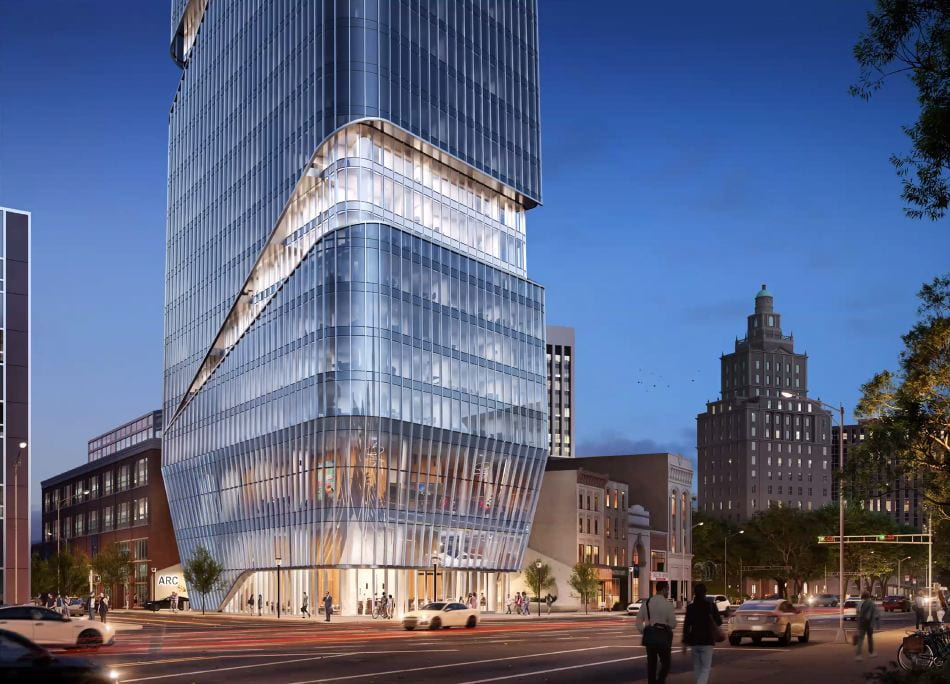
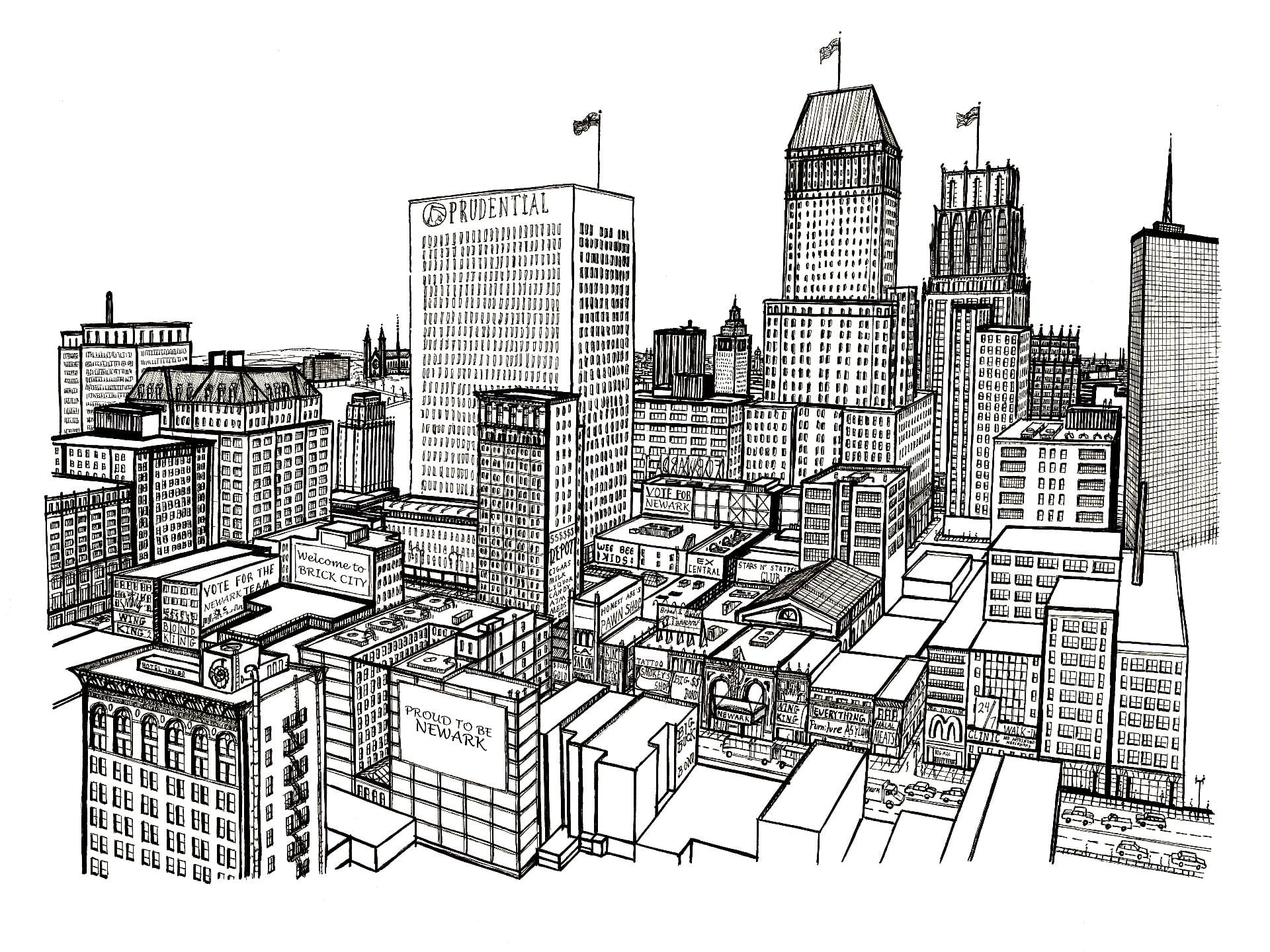
My op-ed in the local papers argues for a shift in Newark’s economic development model. City leaders must prioritize adaptive reuse of existing vacant buildings over construction of new skyscrapers. My research into the high vacancy rates in downtown properties support the conclusion that smaller, mid-rise constructions are a more sustainable and risk-averse development model. Human-scale urbanism in historic building better fosters community, local identity, and population density – while avoiding the pitfalls and of overly ambitious projects that become economic “white elephants.” VIEW PUBLICATION >

Homeownership and the Racial Wealth Gap

In March 2024, I presented at the Newark Public Library, as part of the Newark History Society’s monthly circuit of public lectures. My two-hour presentation discussed the deep historical roots between Newark’s poverty and the wealth of affluent neighboring suburbs. Beyond simple narratives of redlining and race, the presentation explored the complex economic, political, and policy factors behind Newark’s decline. The research conducted in preparation for this presentation evolved into what is now my book project titled Plundering the City.

View recording of conference presentation. VIEW PUBLICATION >

Mapping Manhattan Chinatown’s Public Realm

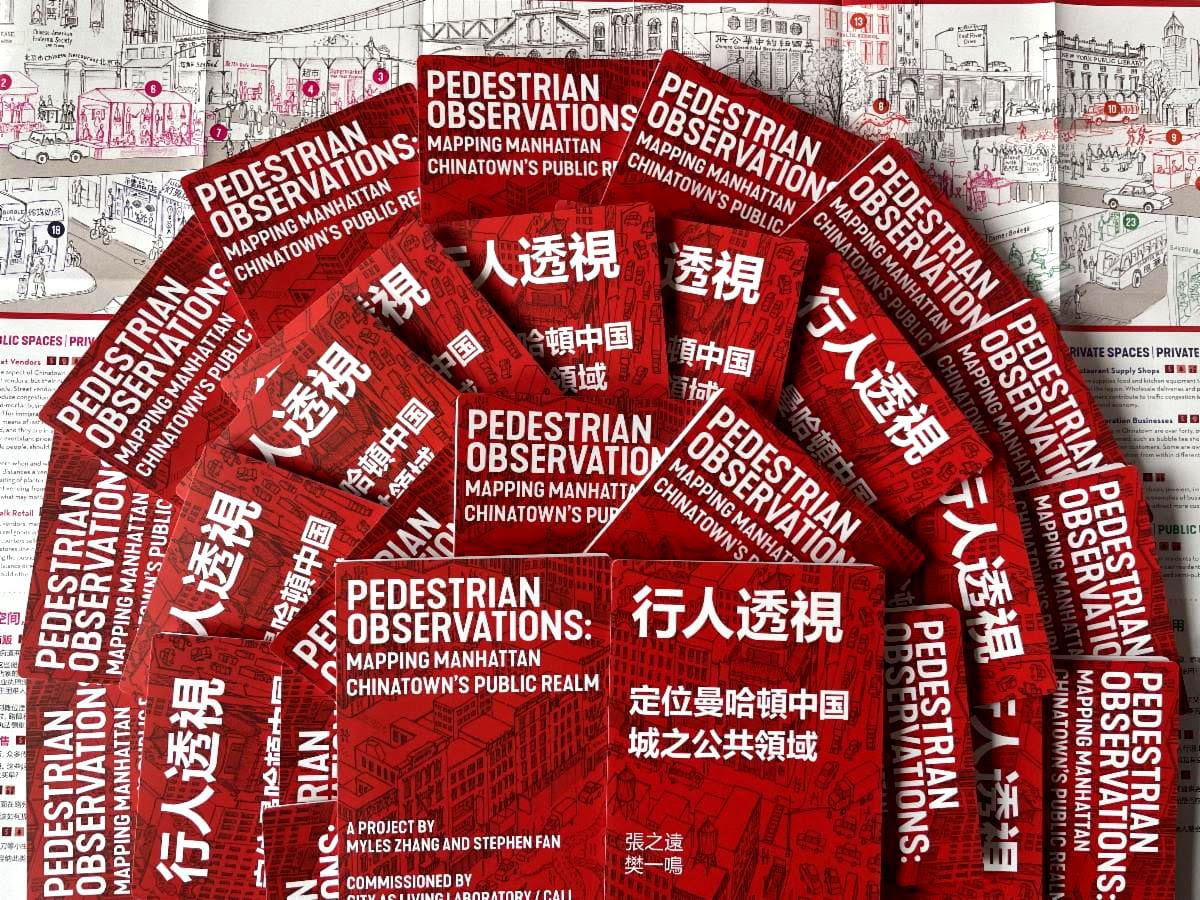
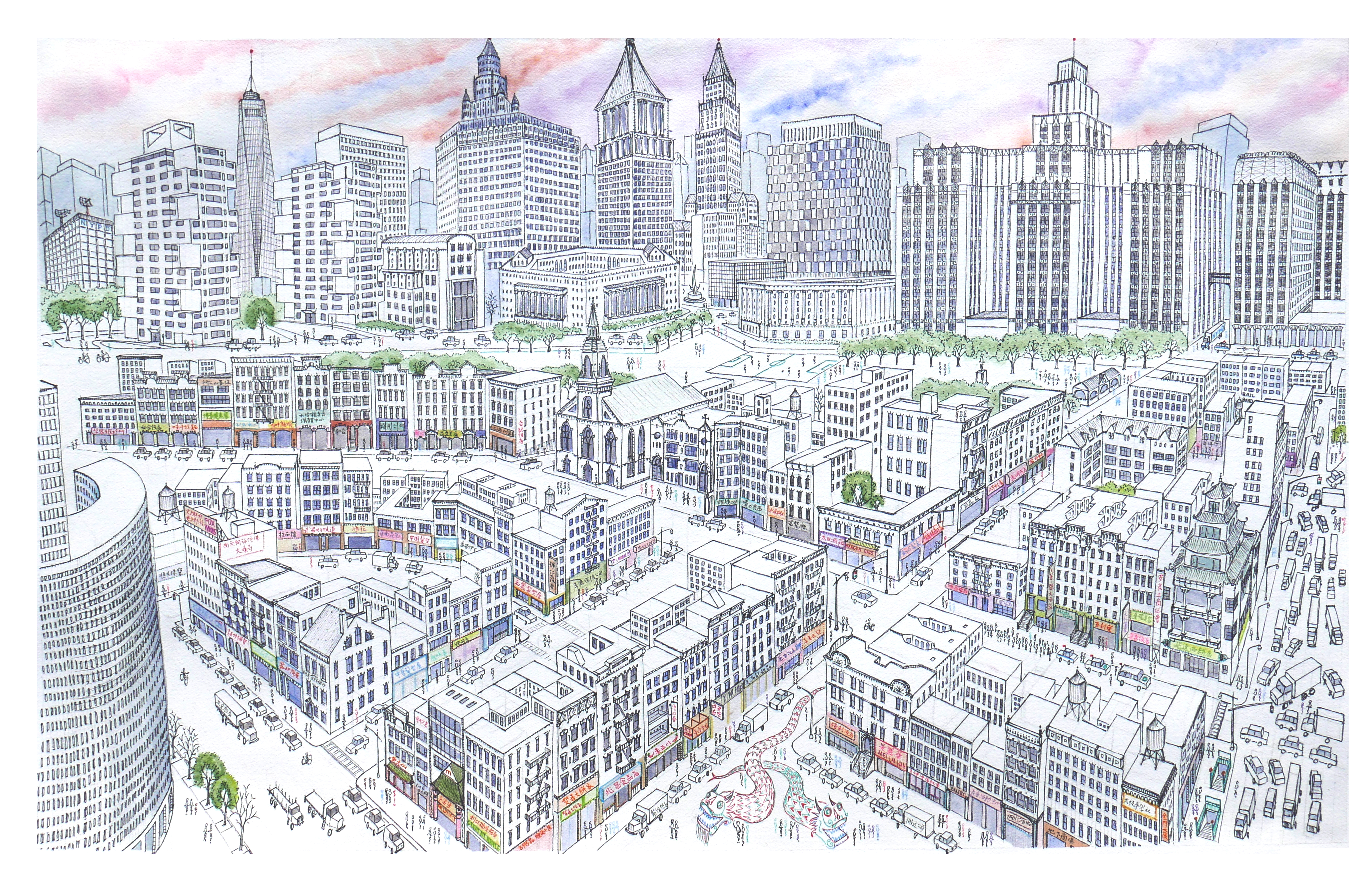
Pedestrian Observations explores Manhattan’s Chinatown’s public and private spaces through a detailed panoramic drawing and map of contested land uses. This project was co-published by Myles Zhang with non-profit artist collective City as Living Lab and architect Stephen Fan. The printed folding map highlights the vibrant interactions among diverse community members, while emphasizing the need for better public space management. Inspired by urban theorists, the project seeks to foster conversation about economic development and resilient urban environments.

《行人观察》(Pedestrian Observations) 将详尽的全景绘画对照各种土地利用的地图,深入探讨曼哈顿华埠的公共与私人空间的使用。该项目由张之远 (Myles Zhang),建筑师樊一鸣 (Stephen Fan), 和艺术家公益团体“城市实践工作室” (City as Living Lab) 联合出版。这份折叠地图描绘多元社区成员之间充满活力的互动,同时强调加强公共空间管理的必要性。本项目综合城市理论家的研究,提倡灵活变通的都市环境,从而促进经济发展。
As published by City as Living Lab as part of the University of Michigan’s grant-based program for public scholarship VIEW PUBLICATION >

Built on a Billion-Dollar Bed of Corporate Tax Breaks

This research examines tax breaks and public funds granted to help developers build in Downtown Newark. There are inequities in who benefits from these incentives: Larger corporations receive substantial tax breaks while smaller developers and small business owners struggle. The report proposes several policy recommendations for ensuring equitable economic Downtown redevelopment, highlighting the need for public accountability and fair property tax assessments. The problem is not tax breaks. The problem is: Who gets them? VIEW PUBLICATION >

The City as Carceral State

This personal essay reflects on my experiences growing up in Newark, NJ, and witnessing the city’s stark socioeconomic divides. These experiences inspired my current studies of architecture and urban planning, with a particular focus on systemic inequality in the built environment. I hope to make scholarship accessible, to address historical injustices through genuine community engagement and historical research. VIEW PUBLICATION >

Who Owns Newark? A Case Study of One Building

From 2017 to 2020, over 47% of Newark’s one-to-four unit buildings were sold to institutional buyers, often anonymous, resulting in higher rents and evictions in this majority-black city. In particular, two properties on Broad Street in Downtown were bought up by slumlord Israel Weiss, emptied of all local businesses, and proposed for demolition to build a 45-story skyscraper. The skyscraper has run into funding difficulties and will likely never be built. In the meantime, in a city governed by hopeless logics of speculation, Weiss’s abandoned buildings are an eyesore.
VIEW PUBLICATION >

Newark Changing: Mapping neighborhood demolition, 1950s to today

Newark Changing is an interactive visual encyclopedia featuring 2,400 photo comparisons from 1959-68 vs. today. The project illustrates the combined impacts of urban renewal, slum clearance, highway construction, and decades of demolition by neglect. Through a historic map, users can explore dozens of neighborhoods and thousands of demolished homes. This research highlights the devastation faced by communities due to decades of anti-urban policy decisions by the government and anti-black investment decisions by corporations.

As published by Newark Public Library. Visit: NewarkChanging.org/map VIEW PUBLICATION >
Bulldozer Urbanism

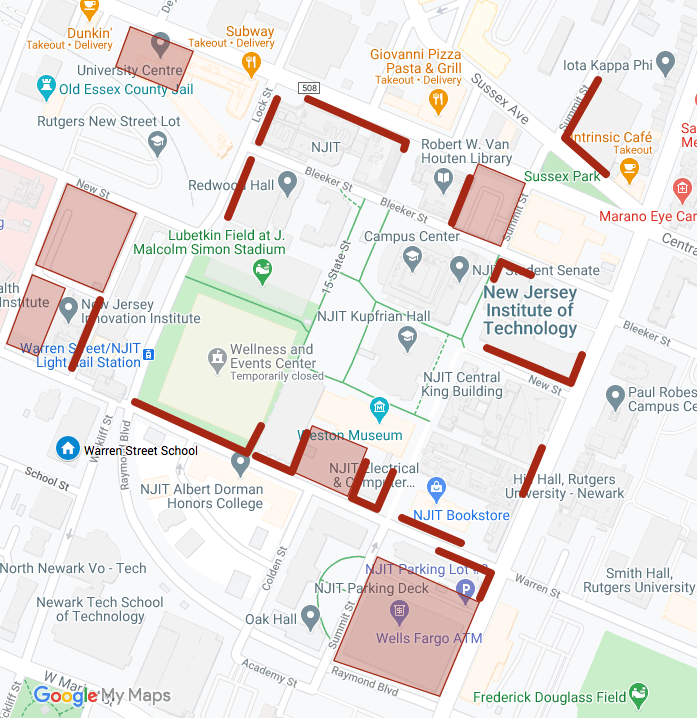
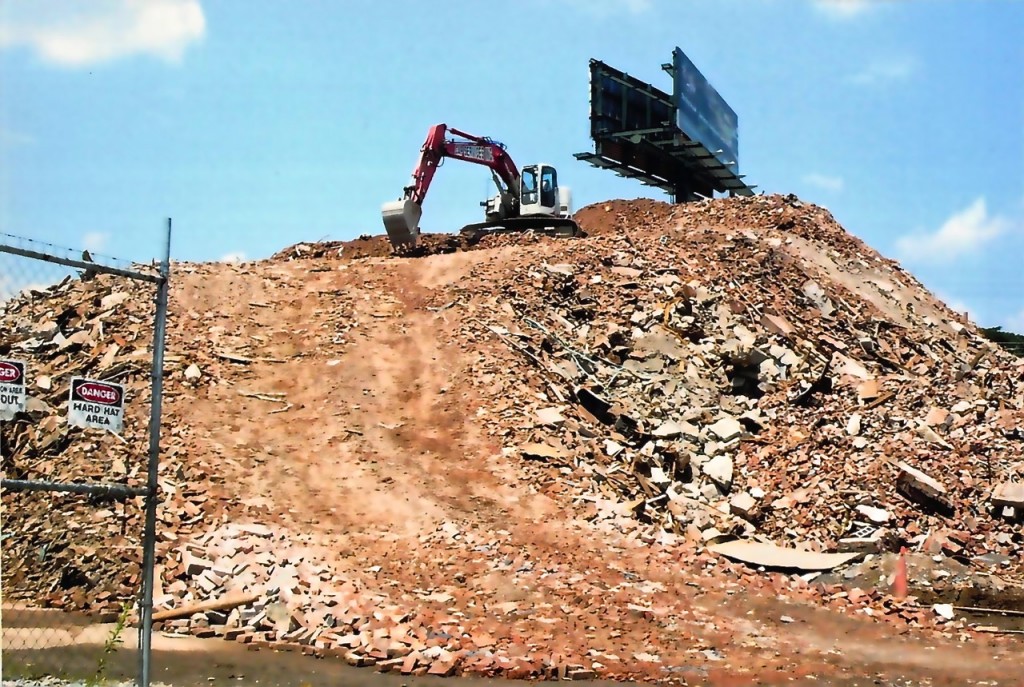
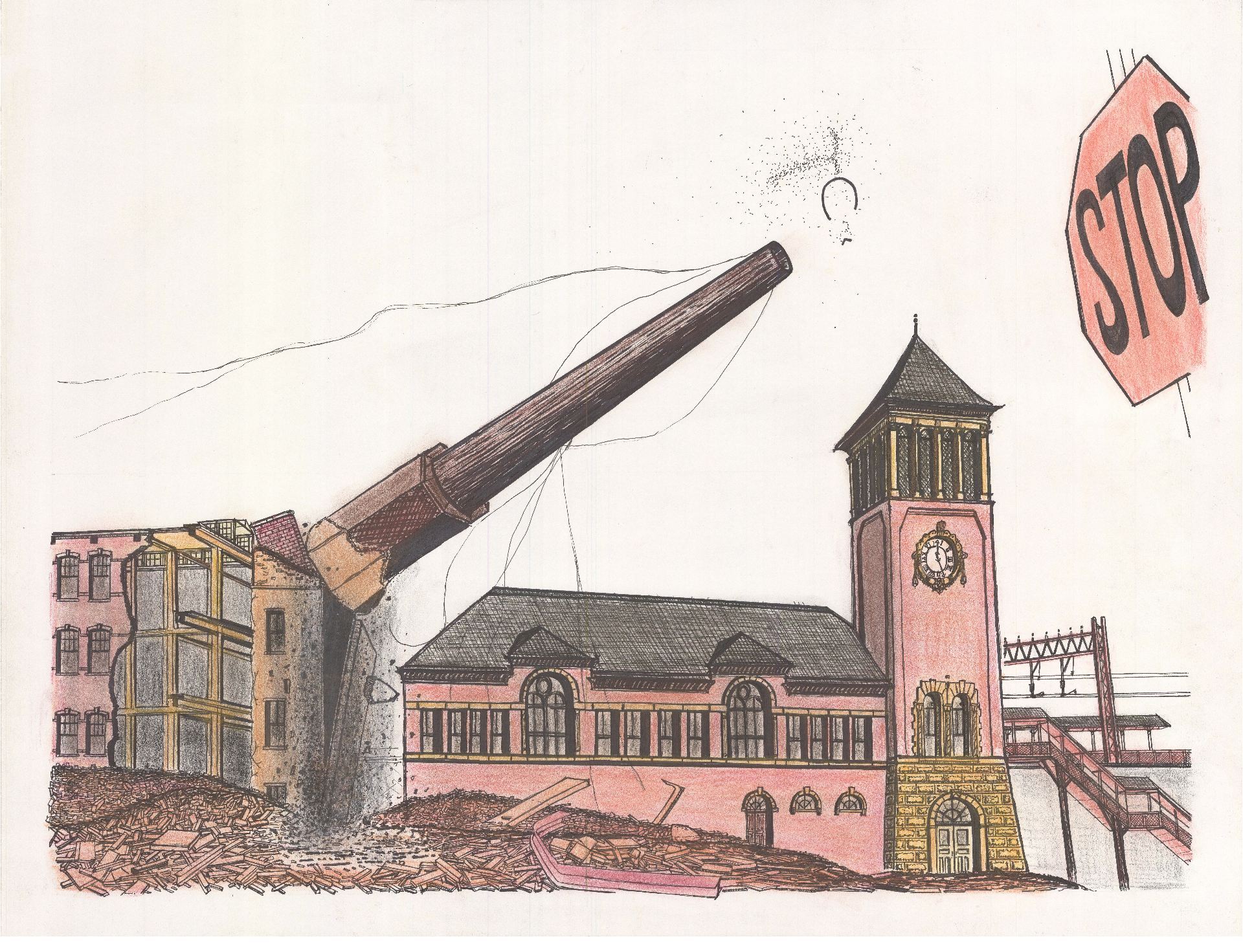
The New Jersey Institute of Technology (NJIT) faces criticism for demolishing historic buildings in Newark’s James Street Commons Historic District. While NJIT invested significantly in architecture for its students, the parts of campus that face toward the city and commmunity lack community engagement and negatively impact urban aesthetics. I advocate for campus planning that enhances neighborhood life and preserves historical assets. VIEW PUBLICATION >

Architecture of Endurance in Manhattan Chinatown

The text and images for this walking tour were created for the non-profit artist collective City as Living Lab, as part of the Jane’s Walks tour series at the Municipal Art Society of NY. In this walking tour with observations of Chinatown’s history and streetscape, I feature a few of my watercolors. I guide visitors to see Chinatown’s architecture as a container and mirror of shifting social norms and a culturally rich immigration history. As people shape their built environment, their built environment in turn shapes them – their values, beliefs, health, and life outcomes.
Read transcript of tour and interactive map of Chinatown created for Municipal Art Society. VIEW PUBLICATION >

Exhibition Design for the Old Essex County Jail

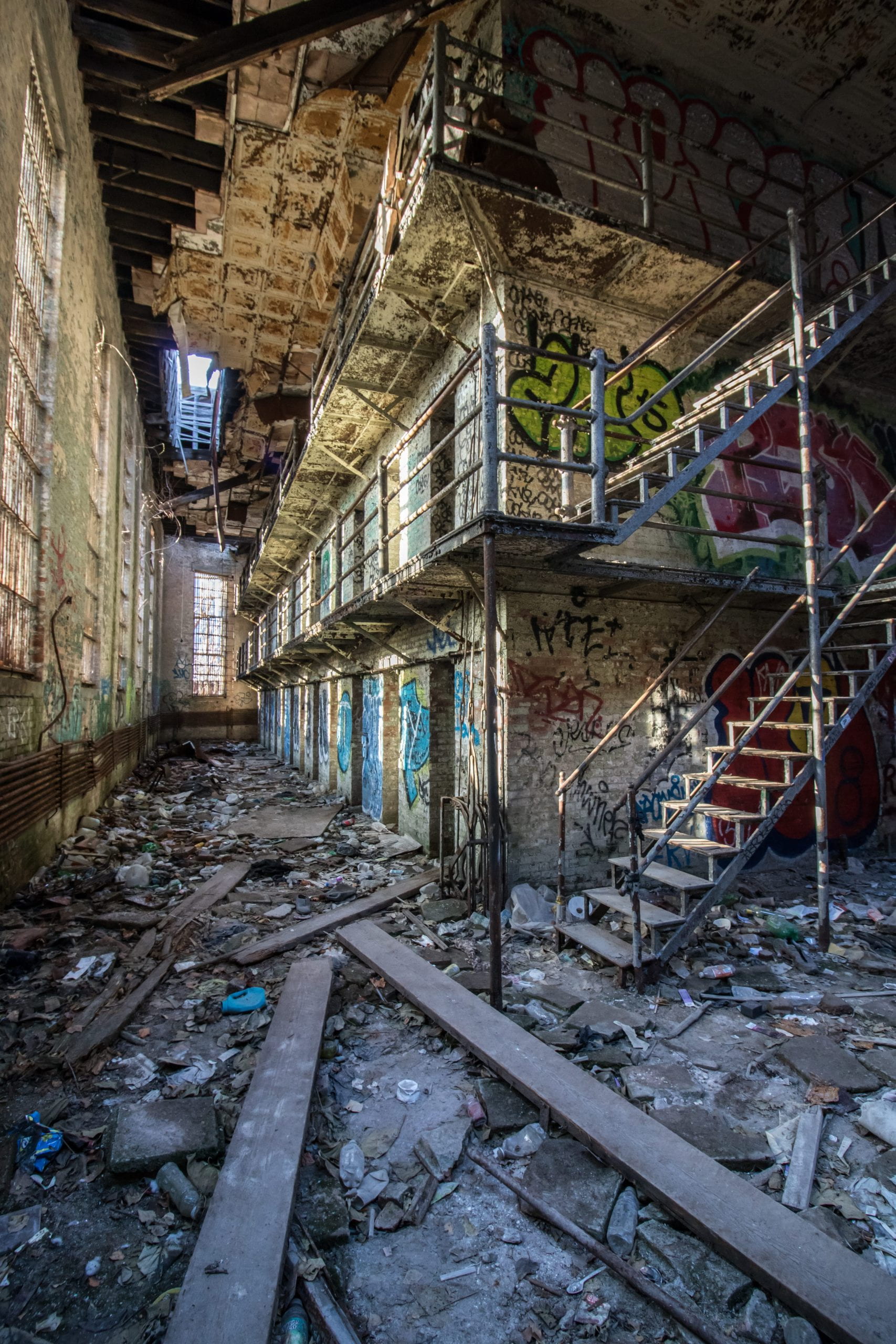
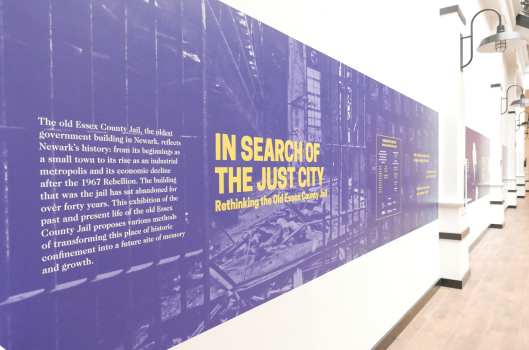
Developed in collaboration with Newark Landmarks and the master’s program in historic preservation at Columbia University’s Graduate School of Architecture, Planning, and Preservation. The abandoned old Essex County Jail in Newark was built in 1837 and is now listed on the National Register of Historic Places. This project transformed revitalization proposals by Columbia University’s historic preservation students into an exhibit and website. The exhibit highlight this jail’s social history and aimed to foster discussion on incarceration and urban regeneration.

As published by Columbia University GSAPP. Visit: OldEssexCountyJail.org VIEW PUBLICATION >

Architecture of Exclusion in Manhattan Chinatown

This essay discusses the historical and contemporary challenges faced by the Chinese community in Manhattan’s Chinatown, highlighting the impact of the 1882 Chinese Exclusion Act and ongoing discrimination against immigrants and working-class communities. Despite systemic barriers, the community shows resilience and maintains cultural identity amidst gentrification and urban development. VIEW PUBLICATION >

Urban Garden in Newark

By Myles and Maia Zhang
Our family’s reflection and photo essay on the annual tradition we have of planting flowers in a vacant lot.

“In time, we will wind our way and rediscover the role of architecture and man-made forms in creating a new civilized landscape. It is essentially a question of rediscovering symbols and believing in them once again. […] Out of a ruin a new symbol emerges, and a landscape finds form and comes alive.”

– John Brinckerhoff Jackson VIEW PUBLICATION >