Book Project: The City of Tomorrow

My future book project titled “Plundering the City” examines how capital and new technologies eroded the quality, density, and variety of small businesses, craft industries, neighborhood institutions, and community groups in what is now the inner-city of Newark, New Jersey. Taking one city as the prism to examine larger urban crises in American culture, this project highlights the spatial and social causes of urban poverty and impoverished social relations in American urban life. Rebuilding social infrastructure requires systemic change and seizing a new means of production.

Visit: NewarkChanging.org/map VIEW PUBLICATION >

Visiting Cuba helped me realize that another world is possible.

My recent visit to Havana, Cuba with the non-profit Solidarity Collective of artists and poets deepened my understanding of American Empire’s impact on other nations and immigrant communities. Observing Cuba’s resilience facing adversity, I observed the governing philosophies of an alternative society that valued community over capital. The experience empowered me to see the potential for collective solidarity and meaningful existence despite material scarcity. VIEW PUBLICATION >
Historic preservation is a better business model.

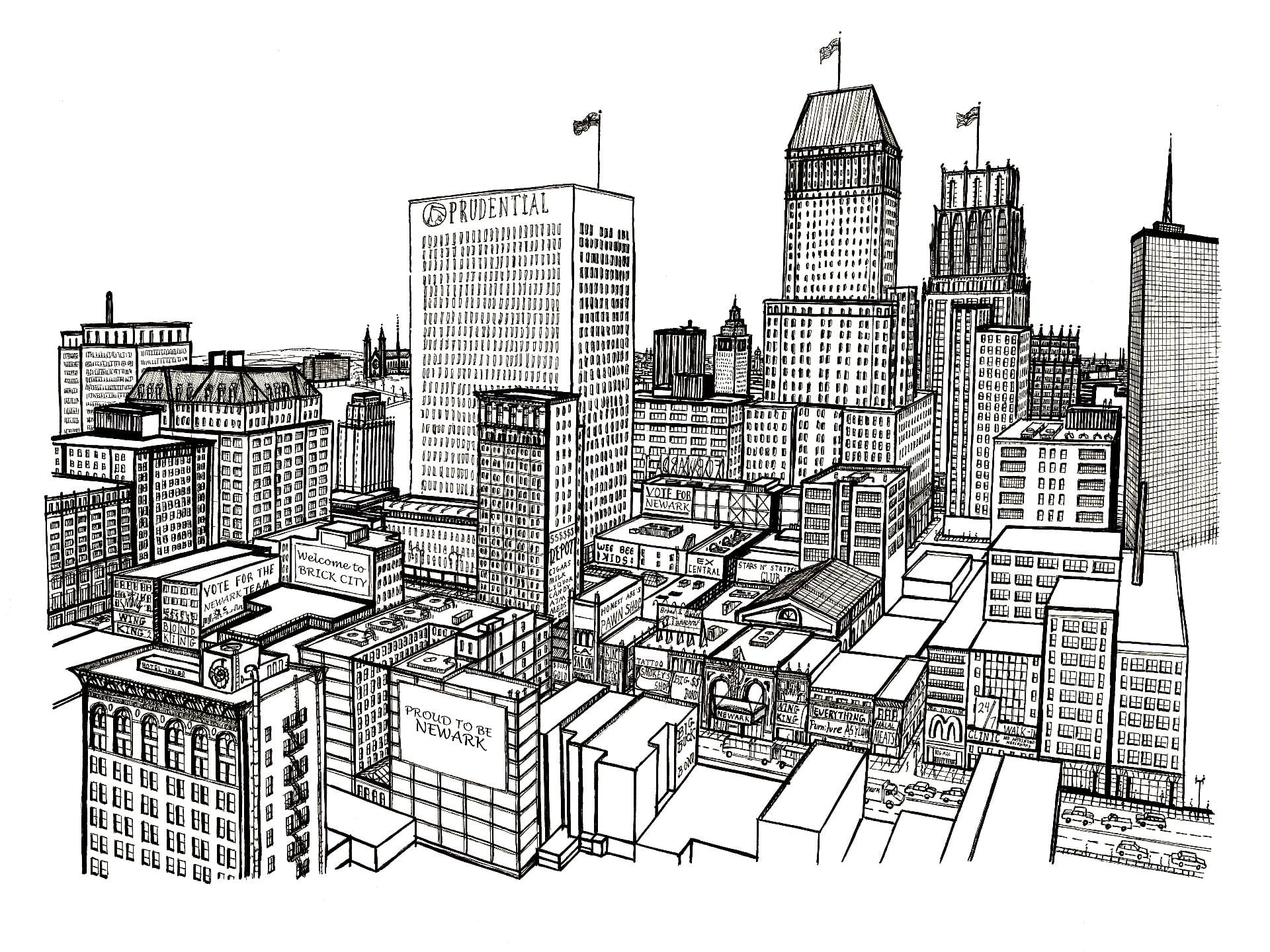
My op-ed in the local papers argues for a shift in Newark’s economic development model. City leaders must prioritize adaptive reuse of existing vacant buildings over construction of new skyscrapers. My research into the high vacancy rates in downtown properties support the conclusion that smaller, mid-rise constructions are a more sustainable and risk-averse development model. Human-scale urbanism in historic building better fosters community, local identity, and population density – while avoiding the pitfalls and of overly ambitious projects that become economic “white elephants.” VIEW PUBLICATION >

Setting Up Sex Offenders for Failure

This blind peer reviewed article discusses how stringent laws for sex offenders, like Megan’s Law and residency restrictions on where sex offenders may live, inadvertently lead to higher rates of re-arrest and re-conviction. These web of laws ironically increase the crime rate and cause thousands of low-income sex offenders to be re-arrested for crimes unrelated to the abuse of minors. Focusing on New York City, this research highlights issues with the home address requirement and suggests reforms to enhance public safety more effectively than current regulations.

As published by Agora Journal of Urban Planning and Design, v.18, p.2-15 VIEW PUBLICATION >

Mapping Manhattan Chinatown’s Public Realm

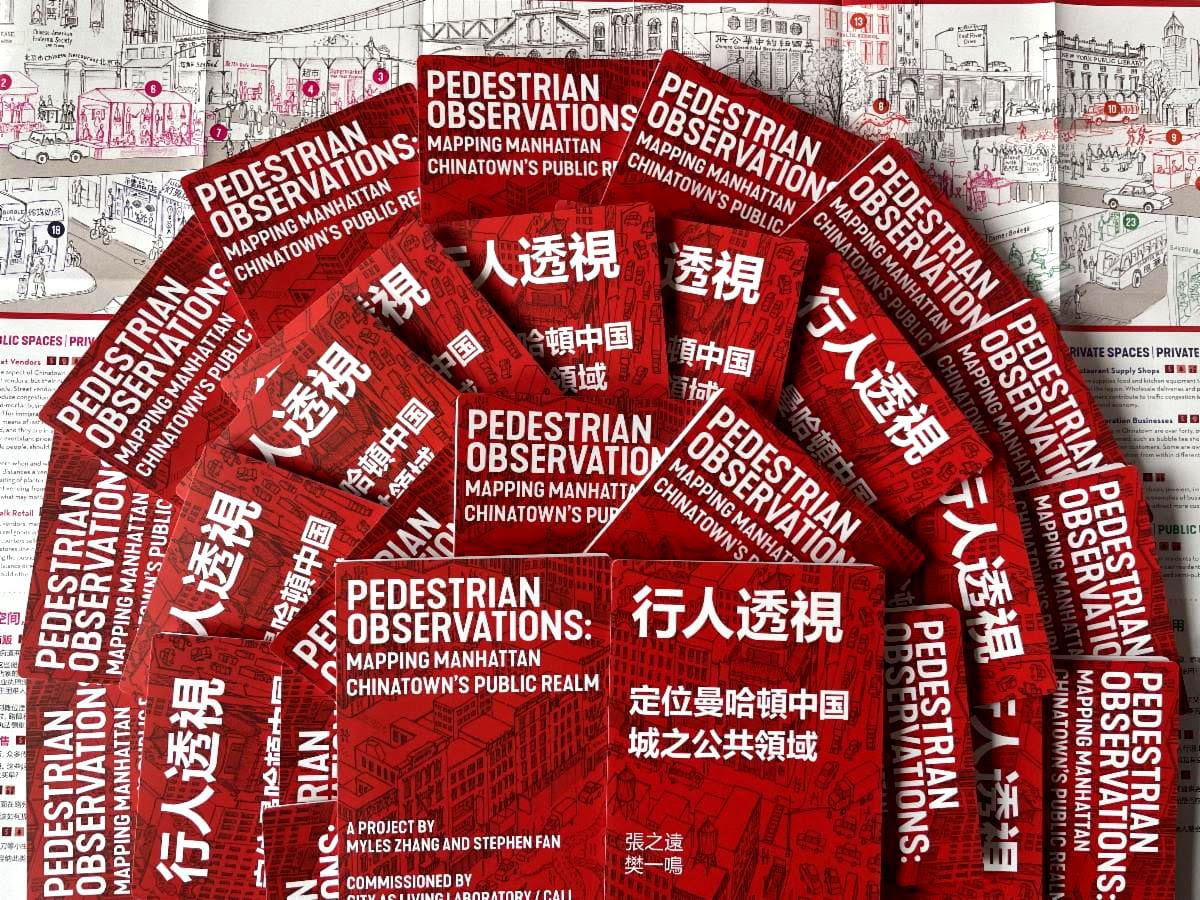
Pedestrian Observations explores Manhattan’s Chinatown’s public and private spaces through a detailed panoramic drawing and map of contested land uses. This project was co-published by Myles Zhang with non-profit artist collective City as Living Lab and architect Stephen Fan. The printed folding map highlights the vibrant interactions among diverse community members, while emphasizing the need for better public space management. Inspired by urban theorists, the project seeks to foster conversation about economic development and resilient urban environments.

《行人观察》(Pedestrian Observations) 将详尽的全景绘画对照各种土地利用的地图,深入探讨曼哈顿华埠的公共与私人空间的使用。该项目由张之远 (Myles Zhang),建筑师樊一鸣 (Stephen Fan), 和艺术家公益团体“城市实践工作室” (City as Living Lab) 联合出版。这份折叠地图描绘多元社区成员之间充满活力的互动,同时强调加强公共空间管理的必要性。本项目综合城市理论家的研究,提倡灵活变通的都市环境,从而促进经济发展。
As published by City as Living Lab as part of the University of Michigan’s grant-based program for public scholarship VIEW PUBLICATION >

Reflections on my experience as PhD student, halfway through the program

As a third-year PhD student, I thought to write this reflection on my academic journey and the challenges faced in navigating elite institutions. In the interest of helping future applicants to PhD programs navigate a process that appears opaque from the outside, I share my program experience and the text of my prelim reading list, minor, and major essays. VIEW PUBLICATION >

Built on a Billion-Dollar Bed of Corporate Tax Breaks

This research examines tax breaks and public funds granted to help developers build in Downtown Newark. There are inequities in who benefits from these incentives: Larger corporations receive substantial tax breaks while smaller developers and small business owners struggle. The report proposes several policy recommendations for ensuring equitable economic Downtown redevelopment, highlighting the need for public accountability and fair property tax assessments. The problem is not tax breaks. The problem is: Who gets them? VIEW PUBLICATION >

The City as Carceral State

This personal essay reflects on my experiences growing up in Newark, NJ, and witnessing the city’s stark socioeconomic divides. These experiences inspired my current studies of architecture and urban planning, with a particular focus on systemic inequality in the built environment. I hope to make scholarship accessible, to address historical injustices through genuine community engagement and historical research. VIEW PUBLICATION >

Goodbye Baxter Terrace

This essay was written by my father Zemin Zhang on December 2, 2007.

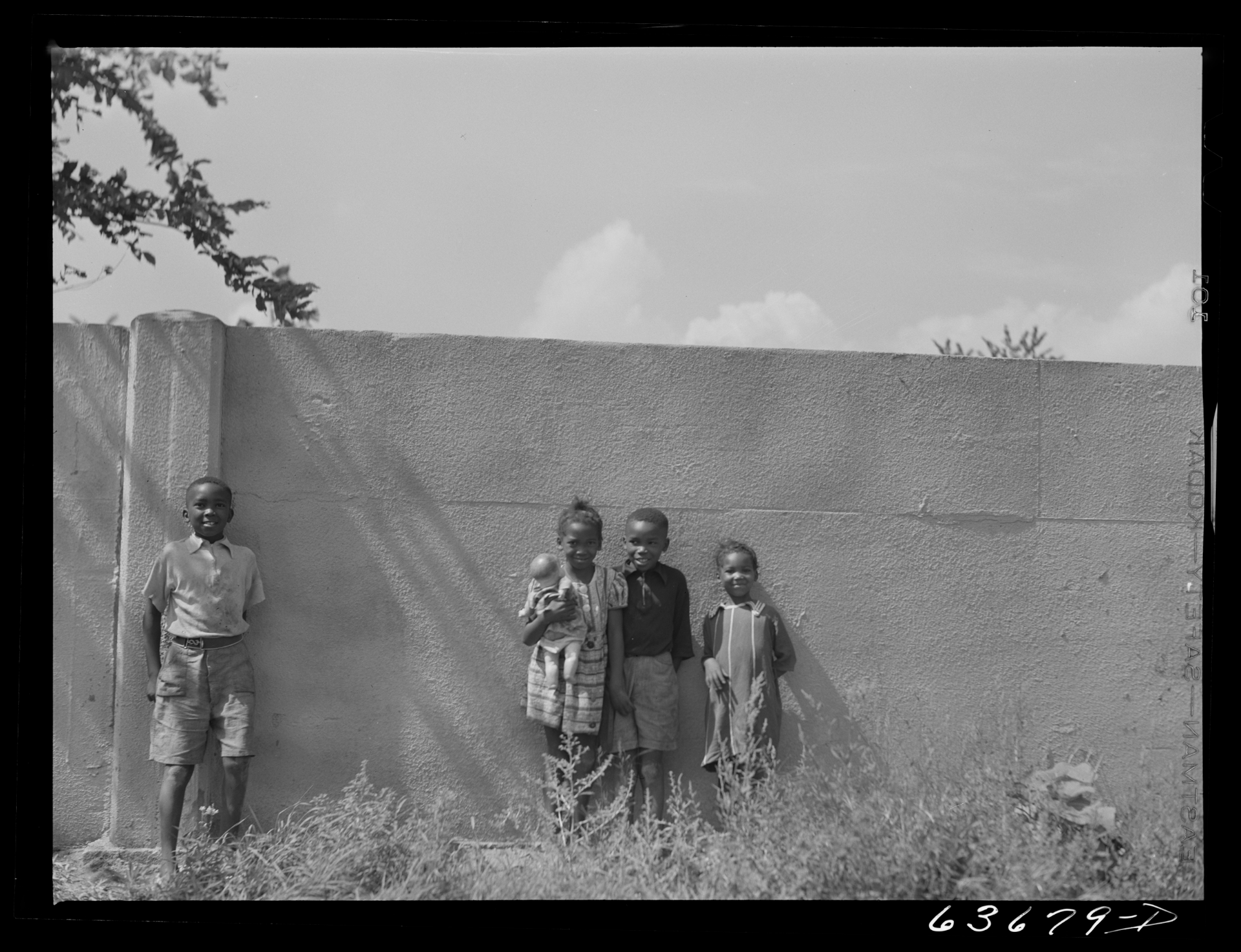
Baxter Terrace was one of Newark, NJ’s very first public housing projects. Opened 1941, the project initially reflected a faith in social security, economic opportunity, and social mobility for working-class and black Americans. Over time, as public investment faded, the project declined and was later demolished in 2009. The loss of this building reflects the shattered dreams of social reformers and an entire generation of black Americans denied the right to a home. VIEW PUBLICATION >

The Paterson Silk Strike in Historical Perspective

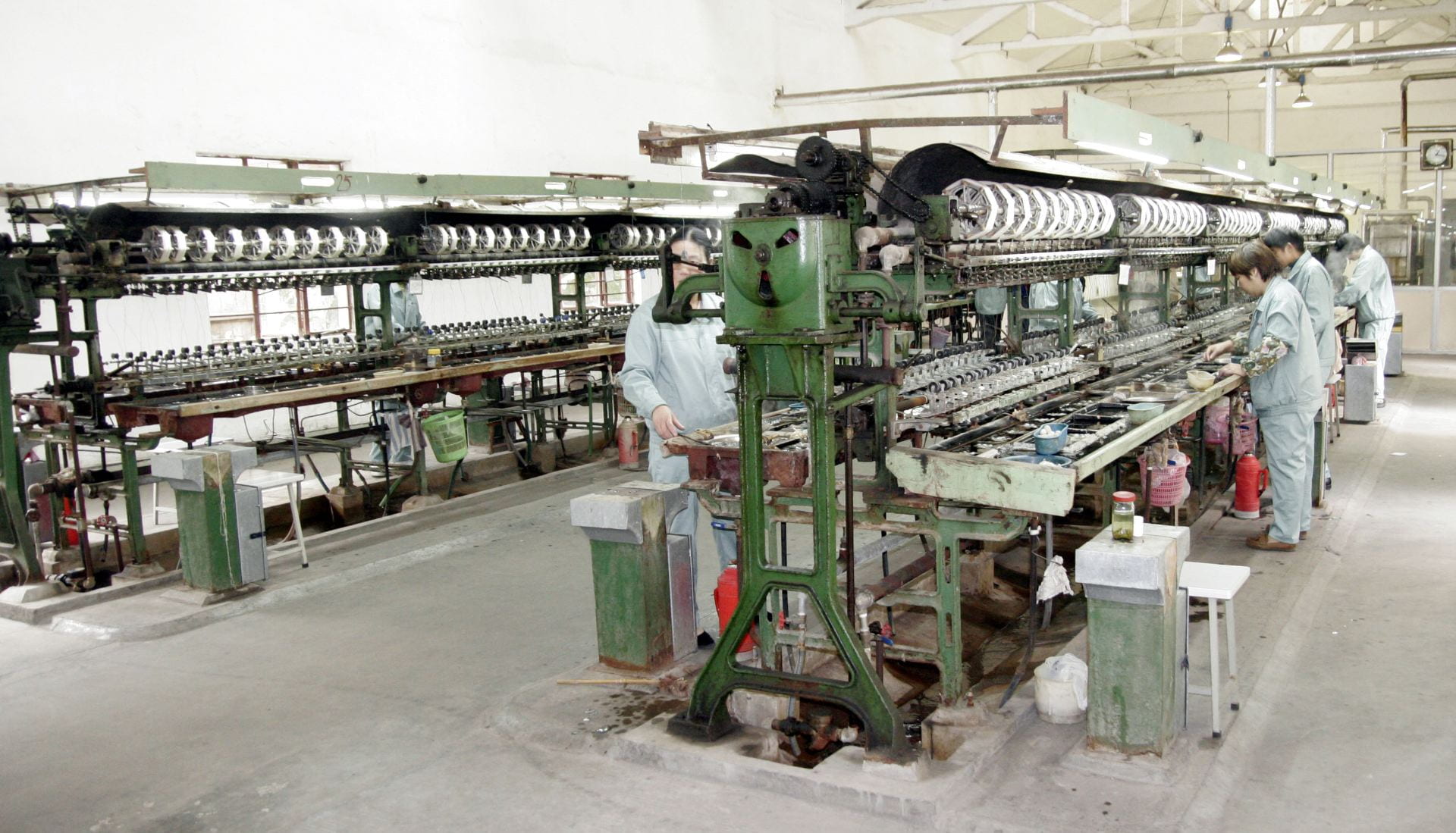
1913 to 2023 A century later, the mills of Paterson sitting abandoned, their machines silent Image source: LoC, HABS,link to left image and right image Exactly 110 years ago today – on July 28, 1913 – Paterson silk mill workers voted to end their strike. Their strike had failed. But what has changed (or not) since then frames their historical struggle in the context of ongoing labor battles. The strikers’ motivations are as relevant in 2023 as they were in 1913: the fight for a living wage, for an eight-hour day, and – ultimately – for the right to work… VIEW PUBLICATION >

“Where Evil Dwells” at Newark’s Old Essex County Jail

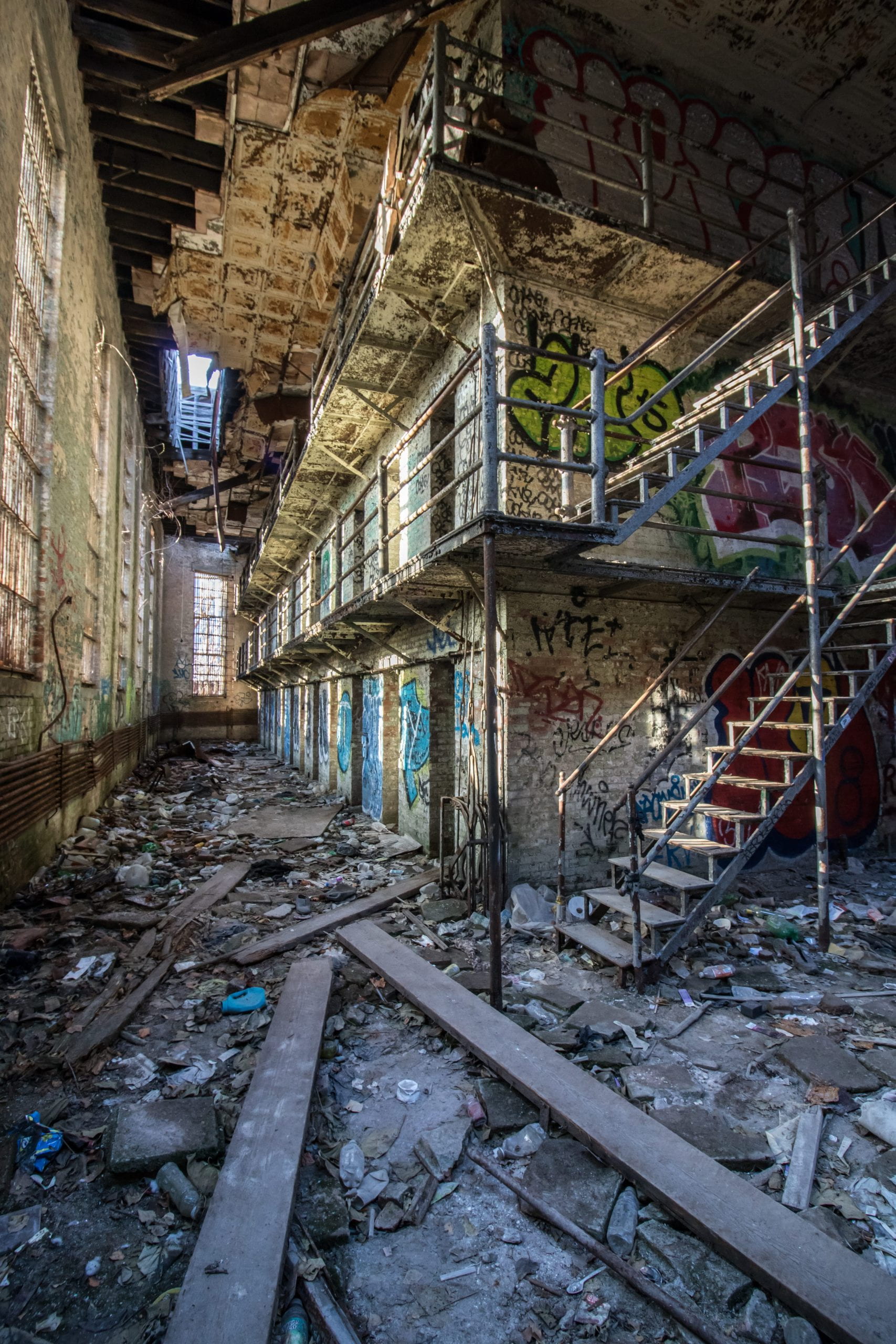
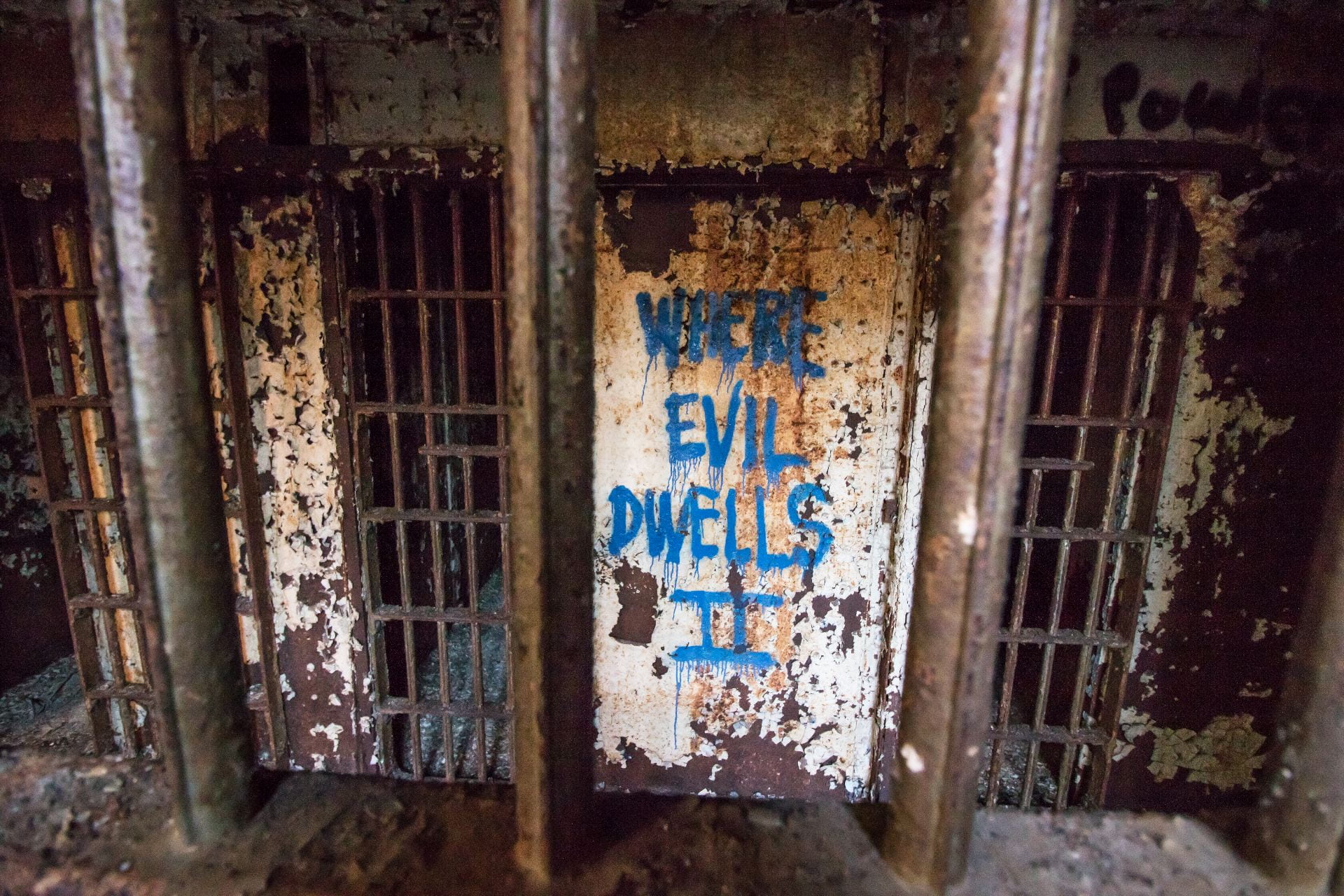
This article in the winter 2021 issue The Newarker (a literary and history magazine) traces the history of the old Essex County Jail and what this carceral institution reveals about the city’s broader history. The essay chronicles the evolution of Newark, highlighting the construction of the Essex County Jail and its implications on the community. Initially built for a small population, the jail’s purpose shifted amid immigration and changing social norms. Today, its abandoned state raises enduring questions about history, crime, and incarceration’s impact on marginalized communities.

Read essay in literary magazine. VIEW PUBLICATION >

The Slave Trader Turned Banker: Slavery and the Origins of a Modern Bank

Essay written for a class on Law and Slavery at University of Michigan Law School: Thomas Leyland, a Liverpool merchant, profited immensely from the slave trade in the 18th century, managing numerous voyages that transported over 22,000 captives. This essay analyzes the relationship between his financial success and the brutal human cost of his operations. His business acumen laid the groundwork and contributed significant funds to what is now the Hong Kong Shanghai Bank of China. VIEW PUBLICATION >

Does the American city need a new “public entrepreneur” like Robert Moses?

The play “Straight Line Crazy,” performed in 2022 at The Shed in Midtown Manhattan, explores Robert Moses’s complex legacy as New York City’s mid-century urban planner. While he is celebrated for expansive public works projects, he is also criticized for displacing communities and ignoring dissenting voices. In this narrative, I reflect on city planning, government’s role in society, and the neoliberal shift of privatizing public goods. Who controls public space? Are today’s market forces as destructive to communities as Robert Moses’s “slum” clearance projects? VIEW PUBLICATION >

A park without trees creates a city without history.

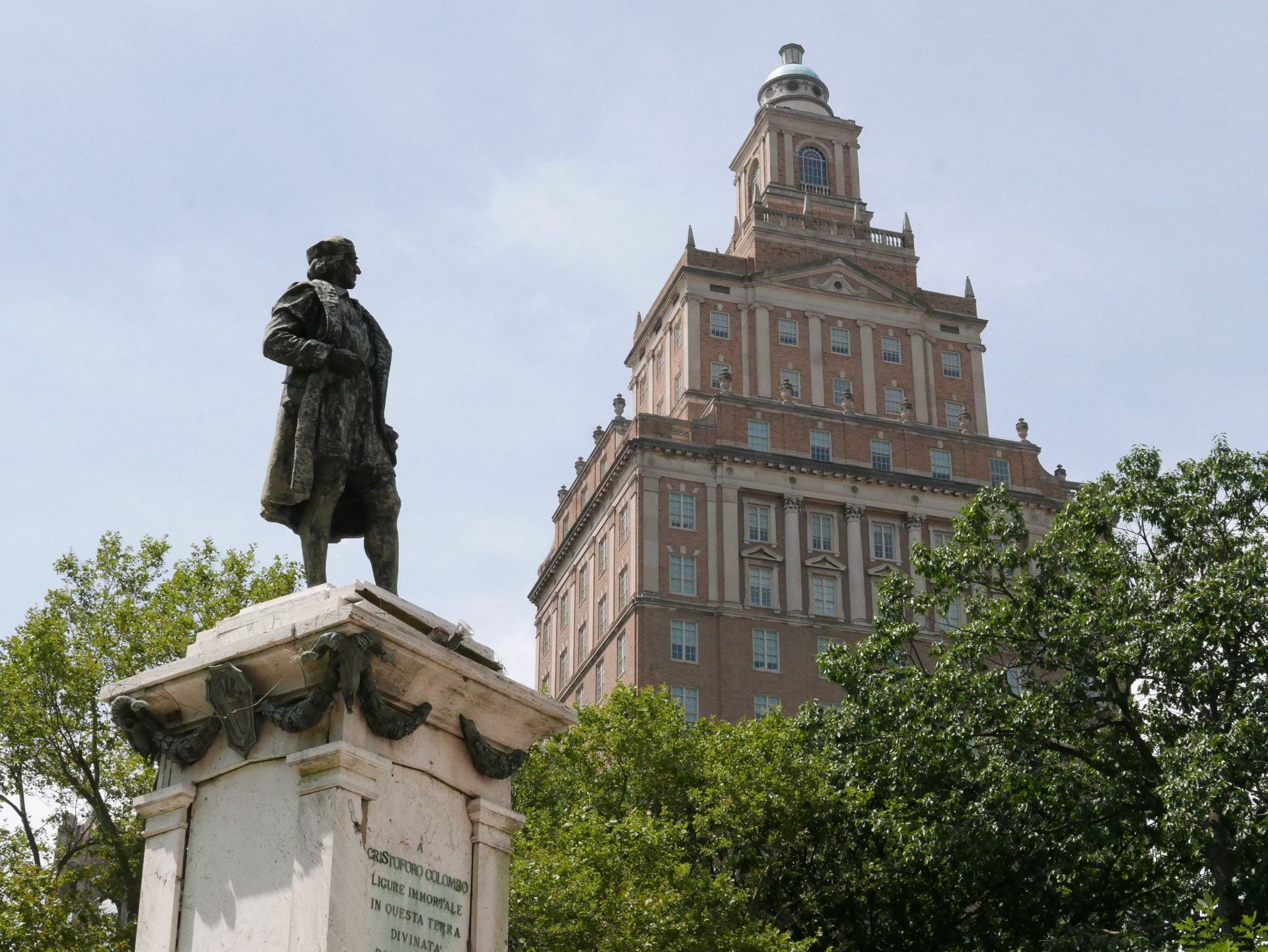
Washington Park in Downtown Newark (renamed Harriet Tubman Square) is home to dozens of significant old-growth trees, some almost 200 years old. In 2022, local real estate developer Marc Berson proposed to cut down all of these tries – likely in a pre-emptive effort to build a parking garage beneath this historic park. These trees symbolize freedom and oppression in the African-American (and human) experience, and their preservation is vital to honoring history and heritage. Thanks to community efforts led by the city’s Italian community, Berson’s proposal was denied. VIEW PUBLICATION >

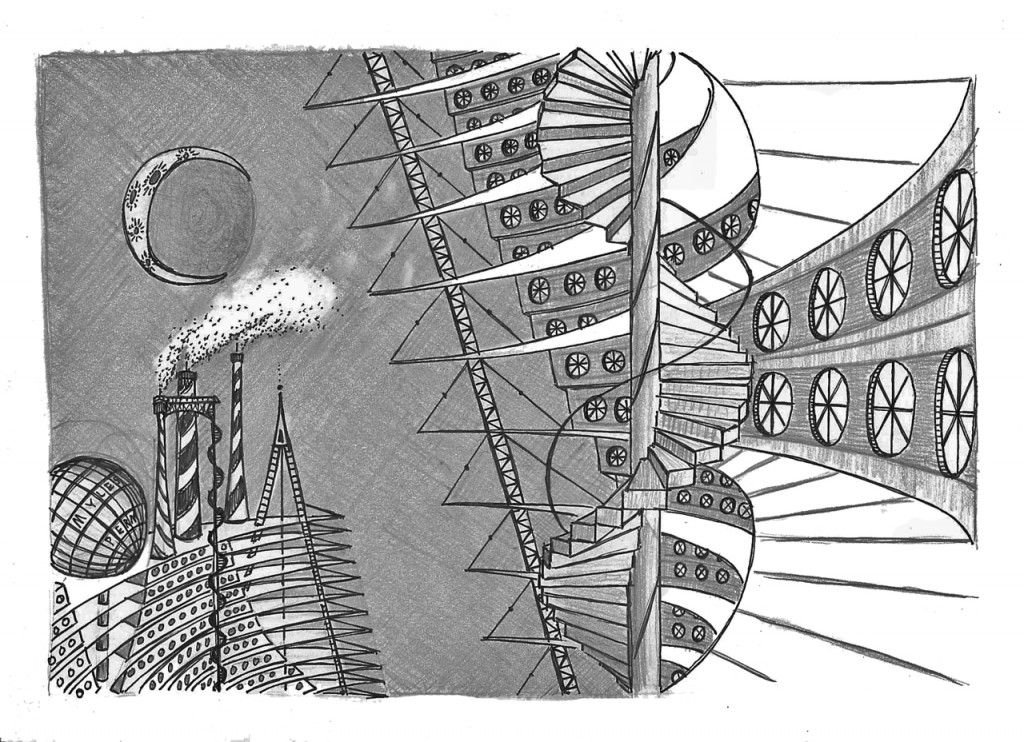
The Time Columbia Built an Artificial Moon in Low Library

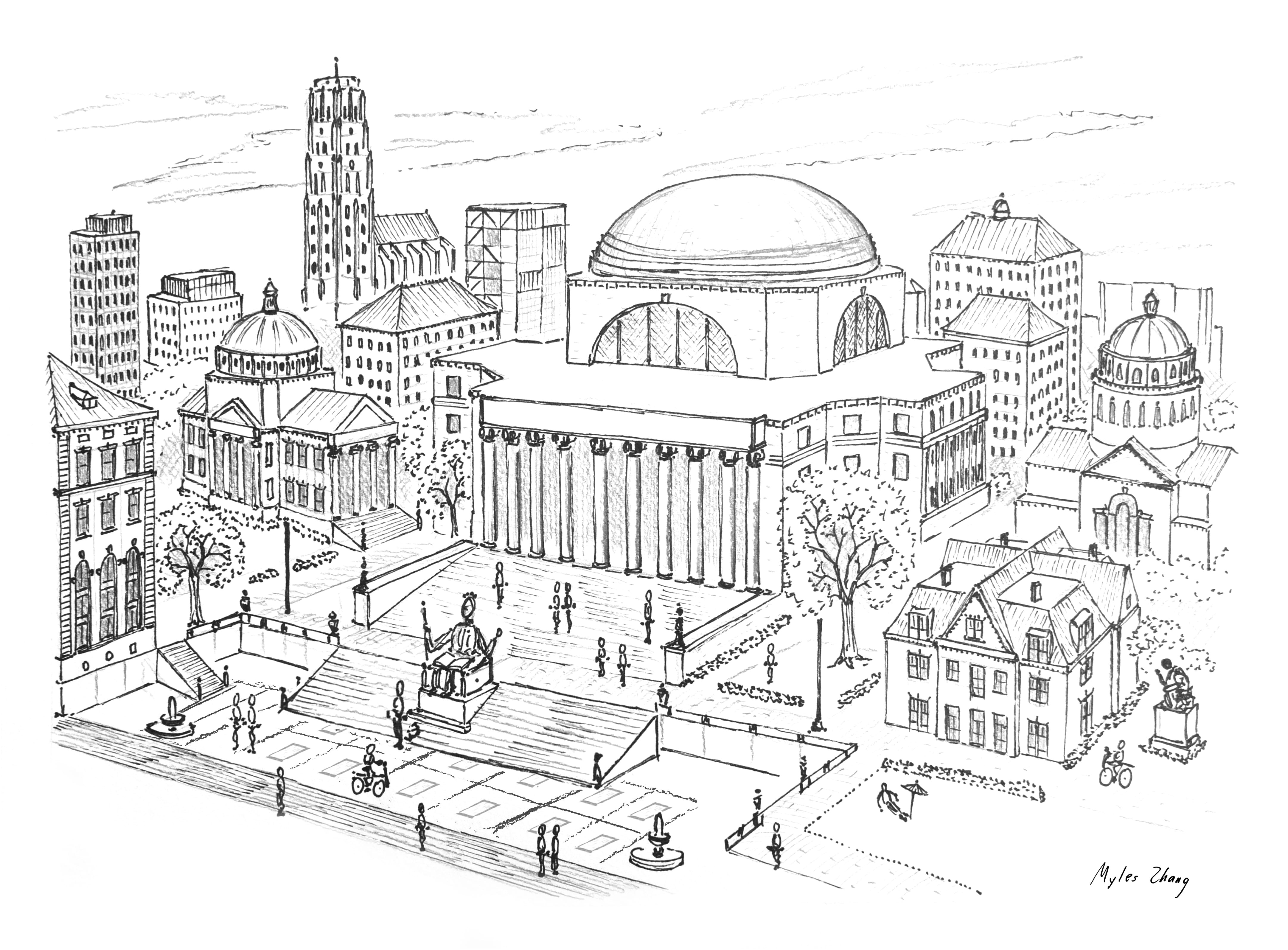
The best definition of a university is, to my mind, a city from which the universe can be surveyed. It is the universe compressed into a city the size of Morningside Heights. Low Library, built in the 1890s at Columbia University, symbolizes the ambition to encompass knowledge in a single space, merging classical aesthetics with technological advancements. While the library served as a center of learning, its eventual obsolescence and partial abandonment reflects Columbia’s own evolution as an institution now more embracing of different viewpoints.

Read essay published in Columbia College today alumni magazine. VIEW PUBLICATION >

We cannot design our way out of this crisis.

I am skeptical that the limited vision of architects and their “design thinking” can address crises like climate change, income inequality, and social issues. The work of architects usually serves market and corporate profits over genuine solutions. True innovation must eliminate the need for consumerism entirely and seek socialism as the framework to build an ethical relationship with the natural environment and each other. VIEW PUBLICATION >

A Different Kind of Radiant City: Bucharest

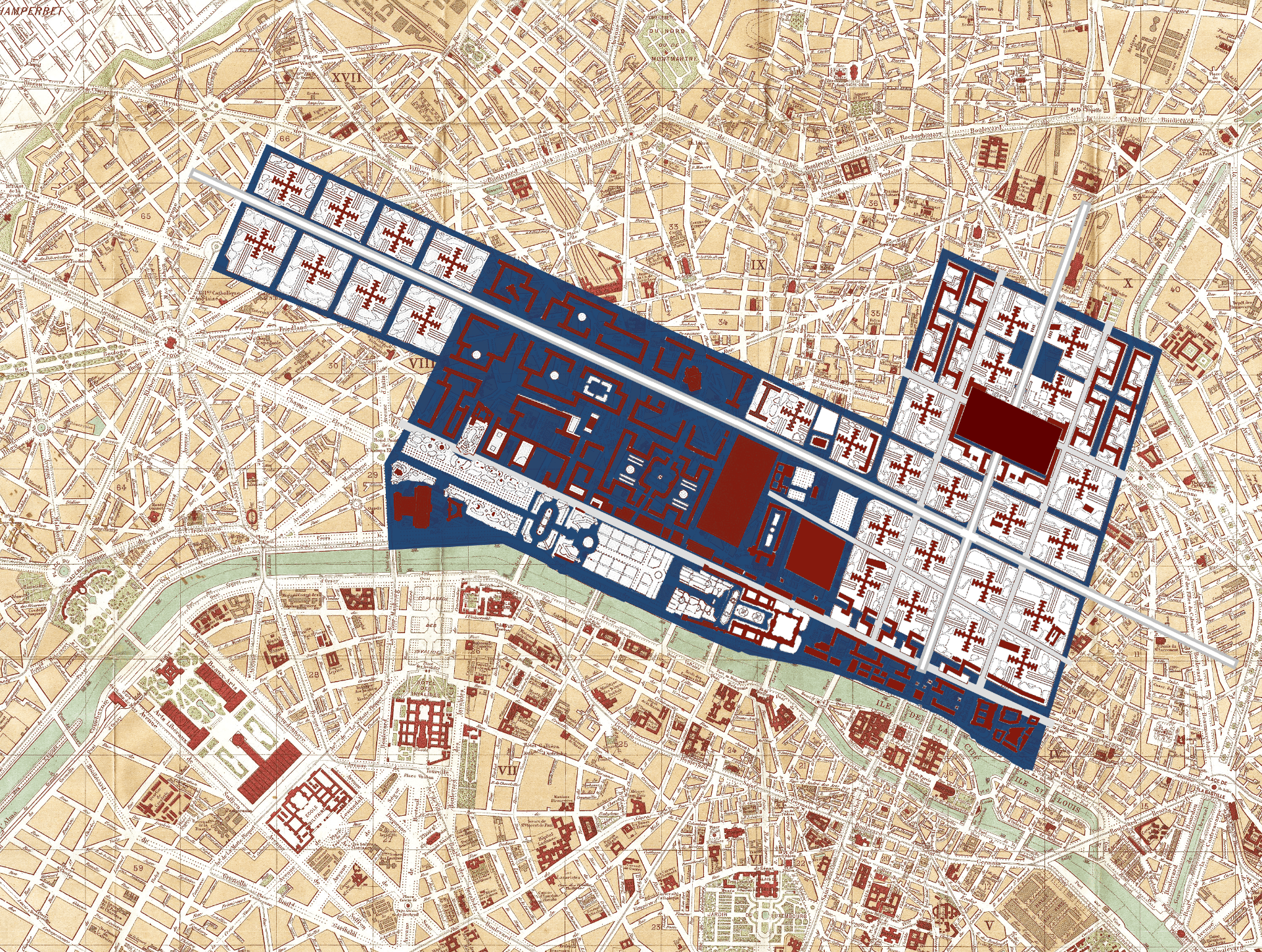
This research compares architect Le Corbusier’s 1920s imaginary Plan Voisin to demolish most of Paris and communist dictator Ceaușescu’s 1980s plans to demolish most of Bucharest, Romania. The unexpected comparison reveals a complex relationship between French utopian and Communist totalitarian visions. Both urban forms reflect deep ideological ambitions, showing how arrogant dreams of modernity displace existing cultures. Ultimately, the comparison illustrates how the urban form reflects the beliefs and prejudices of those tasked with designing the city. VIEW PUBLICATION >
Democracy’s Prison Problem

The existence of democracy and equal rights for all paradoxically depends on denying some individuals of their equal rights, as punishment for violating the democratic society’s social contract. Democracy often perpetuates structures of punishment, raising critical questions about crime, justice, and the ongoing struggle for true democratic ideals. The humane treatment of inmates remains particularly elusive in the U.S. legal system because it is shaped by a 400-year history of slavery, rape, racism, and mass incarceration. VIEW PUBLICATION >

The Geography of Racial Segregation in 1940s Detroit

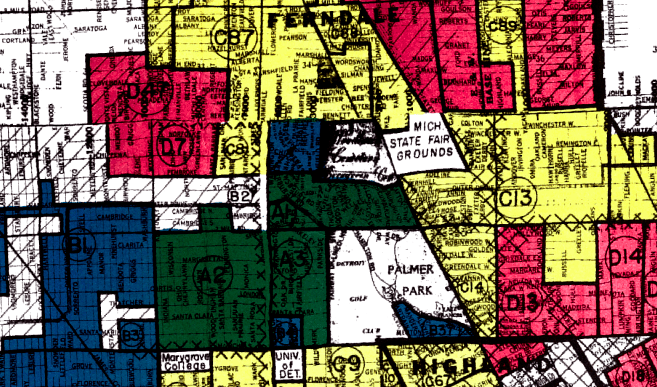
This interactive story map created in ArcGIS visualizes the geography of racial segregation, income inequality, and disparities in homeownership in 1940s Detroit. The origins of Detroit’s contemporary urban crisis originate in specific design, policy, and urban planning decisions made almost a century ago. VIEW PUBLICATION >

“The State is Responsible”

The article examines racial segregation in Royal Oak Charter Township and Detroit Public Schools, exploring how race-based policies have historically influenced public education quality. It highlights how the 1974 Supreme Court case Milliken v. Bradley contributed to growing racial segregation and class inequality between black and white communities in Detroit. VIEW PUBLICATION >

Lorch Column at the University of Michigan

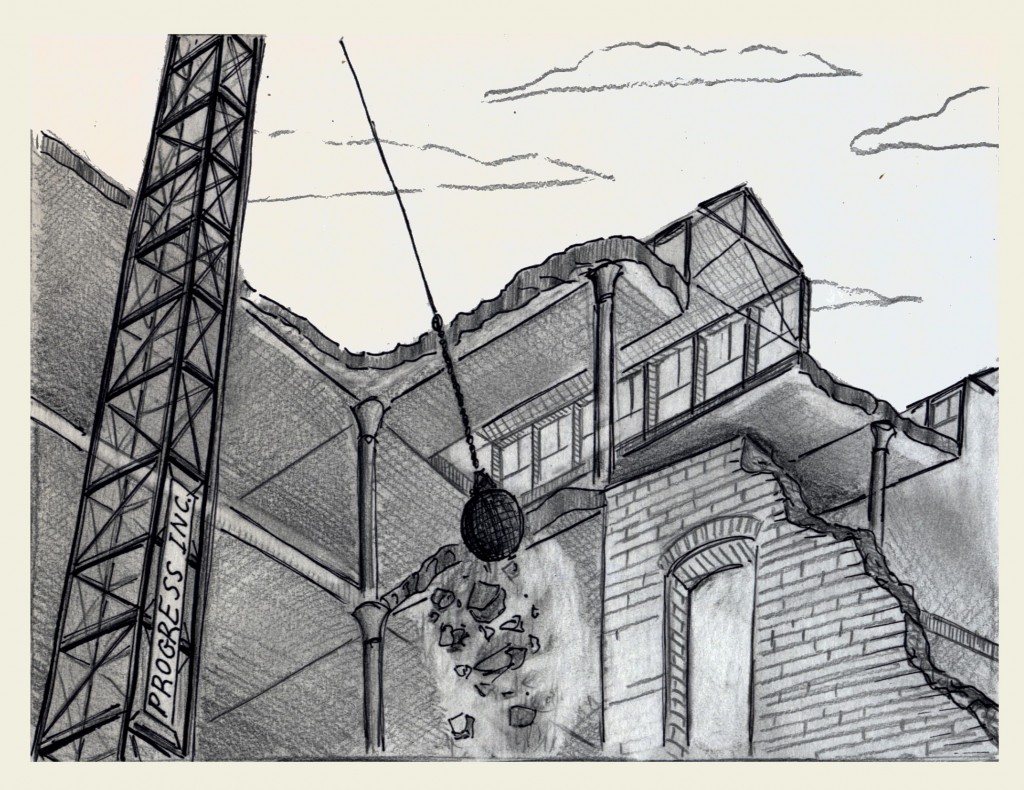
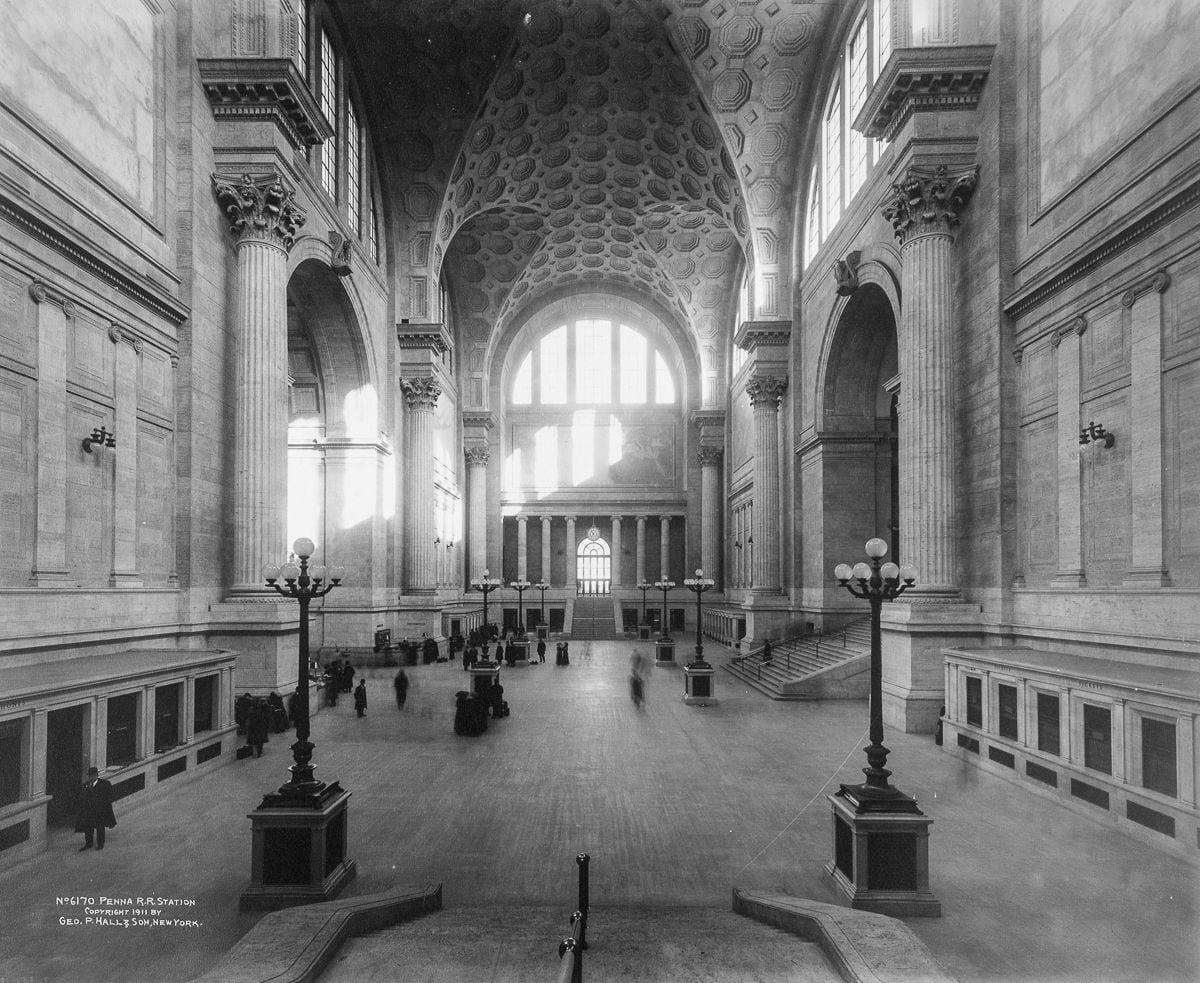
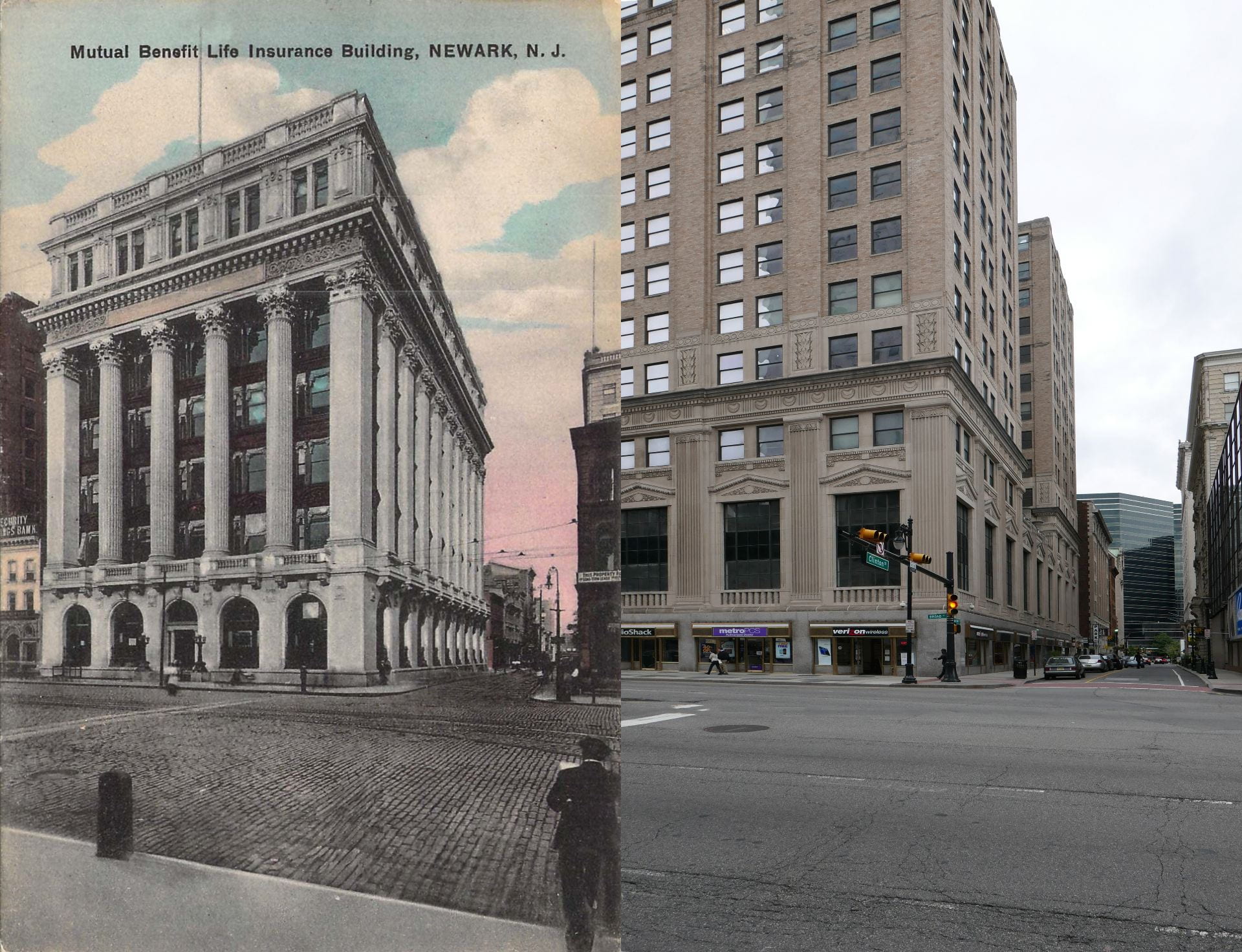
The Lorch Column, a significant architectural salvage from the demolished Mutual Benefit Life Insurance building in Newark, NJ, symbolizes the intersection of history and capitalism. Originally designed to represent strength and wealth, the column was demolished just twenty years later. The column’s migration from Newark to Taubman College the University of Michigan reflects the cyclical nature of architectural life and death, capitalism and creation. In this essay, I interrogate what architecture reveals about time, place, and the culture of capitalism.

As published by the University of Michigan’s College of Architecture & Urban Planning VIEW PUBLICATION >

Warren Street School Demolition

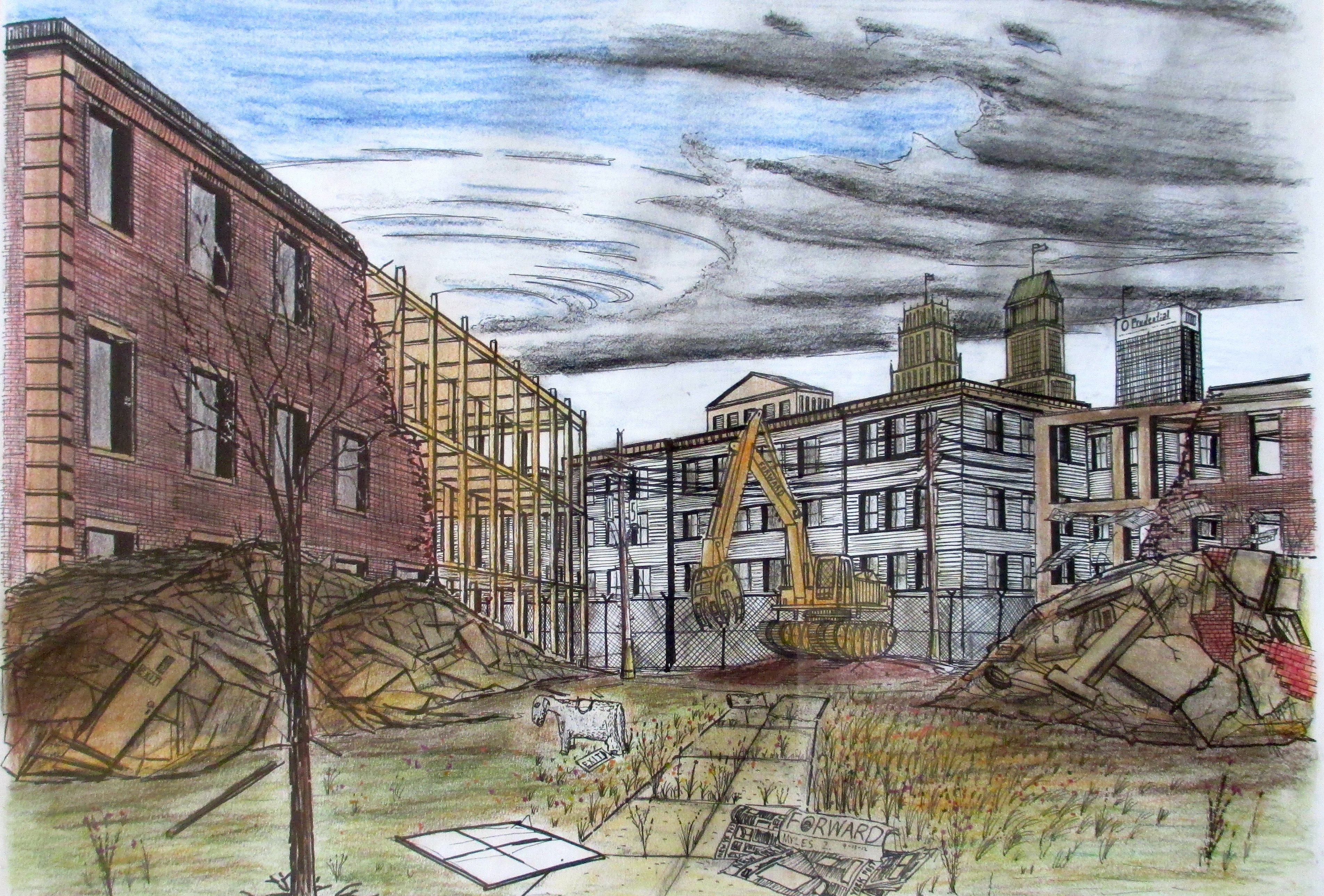
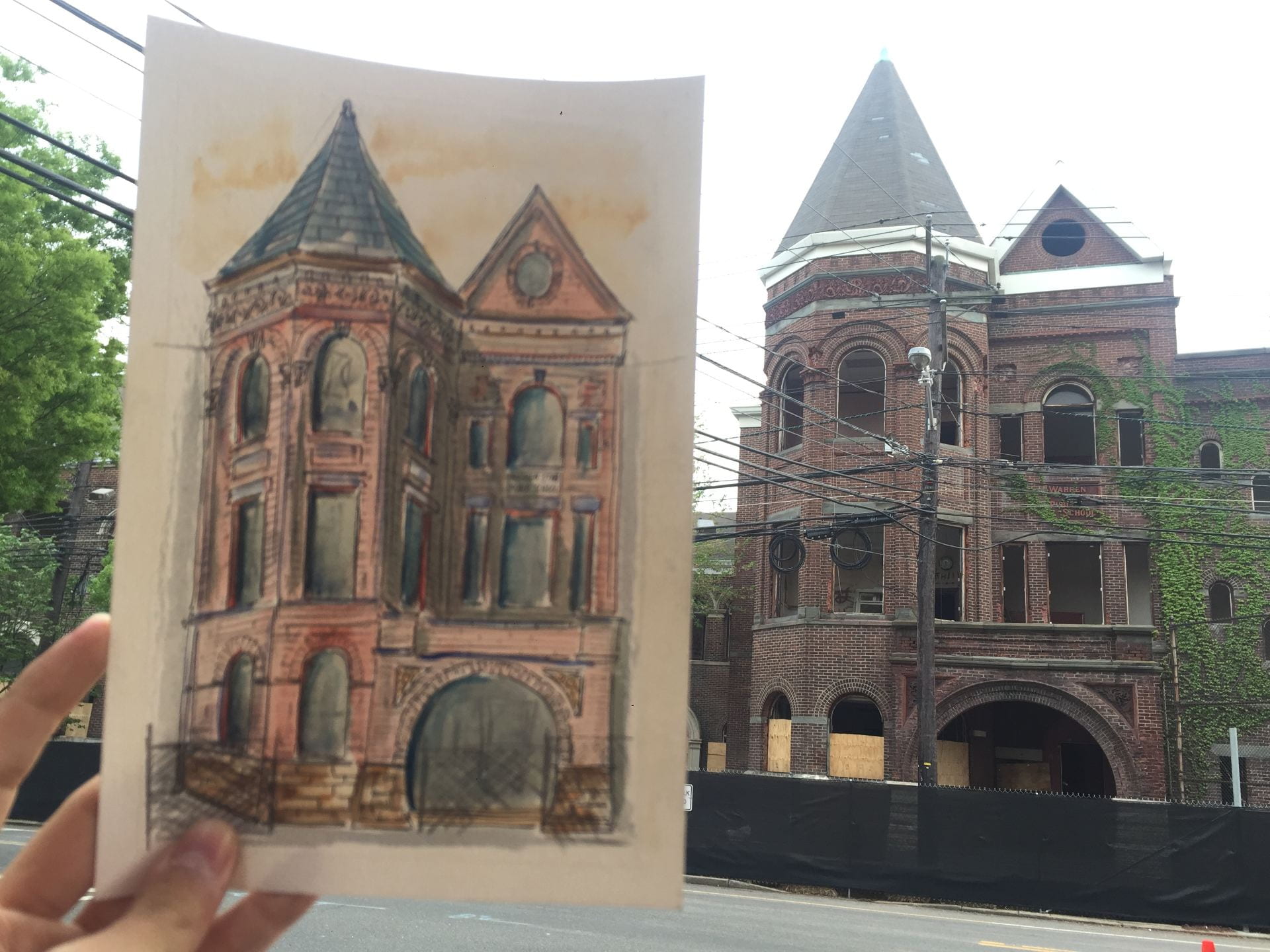
The historic 1890s Warren Street School stood in Newark’s University Heights neighborhood and served a century of public school children. Despite its landmark status and eligibility for future inclusion on the National Register of Historic Places, Newark City Hall approved demolition on April Fool’s Day in 2021. This demolition highlights the New Jersey Institute of Technology’s calculated disregard for architectural heritage. The demolition act also symbolizes a broader trend of city leadership that is ignorant of history and the power of historic preservation to cultivate local identity. VIEW PUBLICATION >
Bulldozer Urbanism

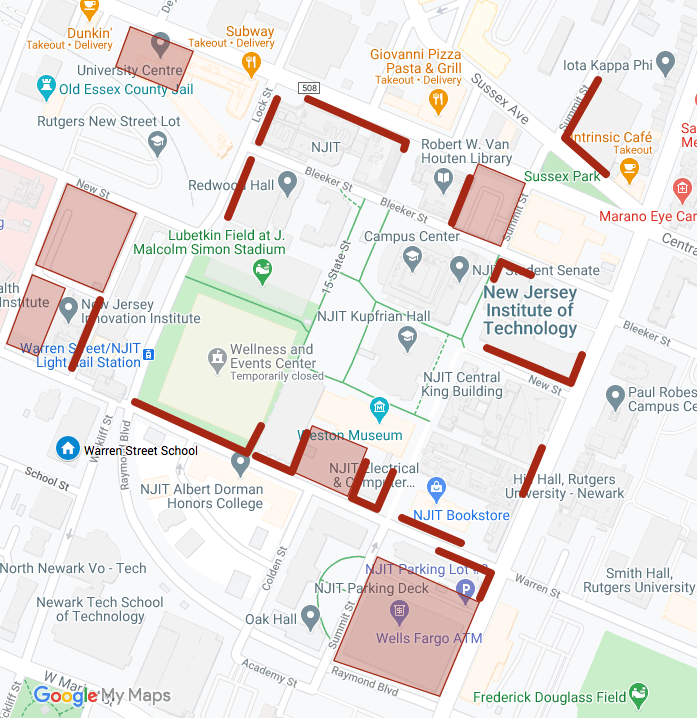
The New Jersey Institute of Technology (NJIT) faces criticism for demolishing historic buildings in Newark’s James Street Commons Historic District. While NJIT invested significantly in architecture for its students, the parts of campus that face toward the city and commmunity lack community engagement and negatively impact urban aesthetics. I advocate for campus planning that enhances neighborhood life and preserves historical assets. VIEW PUBLICATION >

Architecture of Endurance in Manhattan Chinatown

The text and images for this walking tour were created for the non-profit artist collective City as Living Lab, as part of the Jane’s Walks tour series at the Municipal Art Society of NY. In this walking tour with observations of Chinatown’s history and streetscape, I feature a few of my watercolors. I guide visitors to see Chinatown’s architecture as a container and mirror of shifting social norms and a culturally rich immigration history. As people shape their built environment, their built environment in turn shapes them – their values, beliefs, health, and life outcomes.
Read transcript of tour and interactive map of Chinatown created for Municipal Art Society. VIEW PUBLICATION >
The Privatization of Public Space in Lower Manhattan

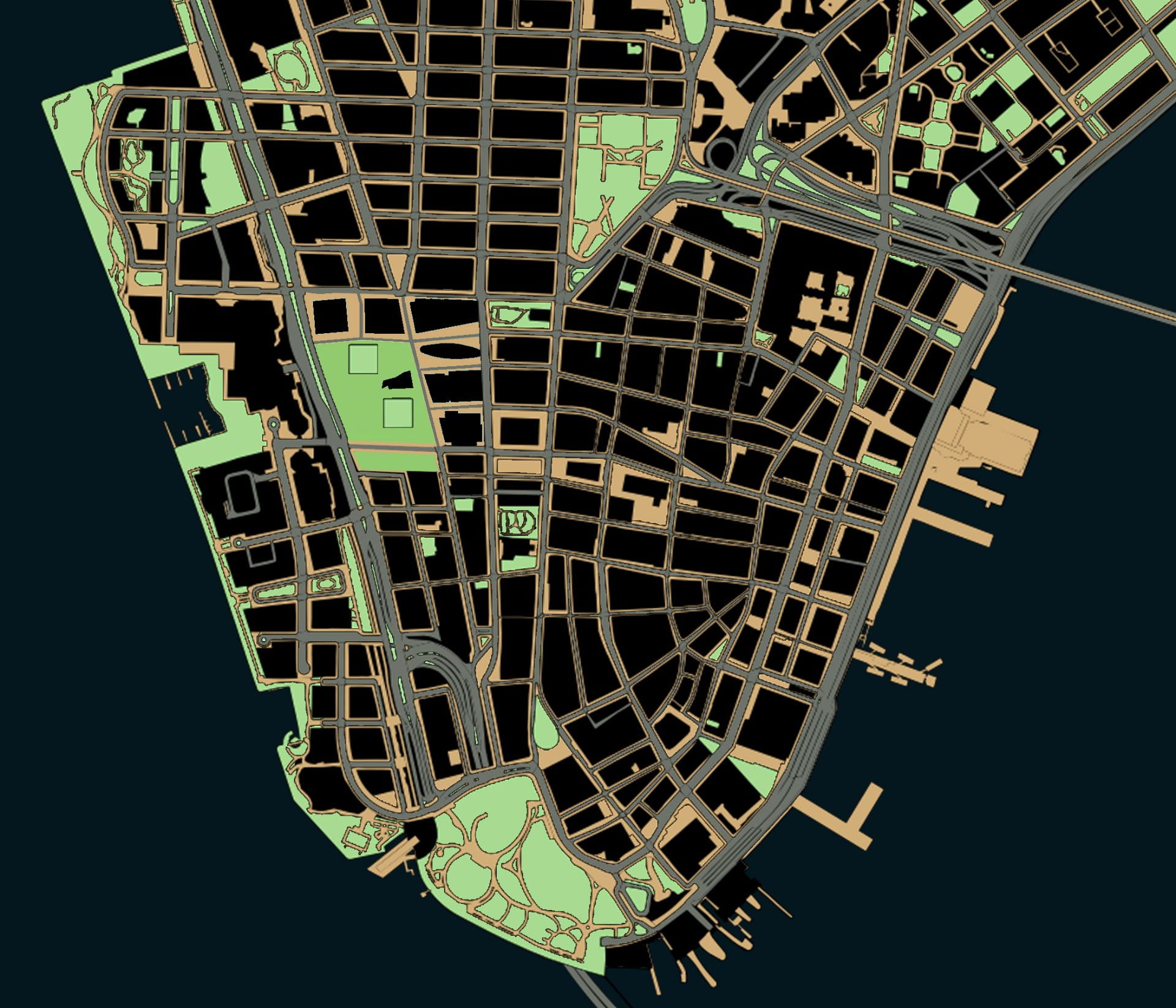
The decline of public spaces in Lower Manhattan is a pressing issue, threatening democracy and the sense of civic identity. While approximately 60% of Lower Manhattan’s ground area is technically dedicated to public use, only 25% remains truly accessible to pedestrians. Factors like cars, corporations, and surveillance have restricted urban life. Continued privatization erodes the quality and frequency of community interactions that are essential for democratic engagement and tolerance. VIEW PUBLICATION >

University of Michigan PhD Application

The following statements accompanied my successful application in fall 2020 to the architecture PhD program at the University of Michigan’s Taubman College of Architecture and Urban Planning. I received a full scholarship for six years with a graduate student stipend. I share these statements online for future applicants to Michigan or architecture PhD programs in general, in hopes to make the already challenging PhD admissions process at least a little more transparent. VIEW PUBLICATION >

A Drop of Water

This essay is a brief history and analysis of Newark’s water supply system, based on my experience of walking along the aqueduct from forest origins to urban destination. The journey of Newark’s water supply illustrates the connection between diverse communities in New Jersey, highlighting how the rural, suburban, and urban areas are interlinked. Despite their physical separation, the health and well-being of Newark residents depend on clean water sourced from distant, often affluent regions, revealing societal inequalities in access and environmental safety. VIEW PUBLICATION >
Homesteads to Homelots in the Garden State

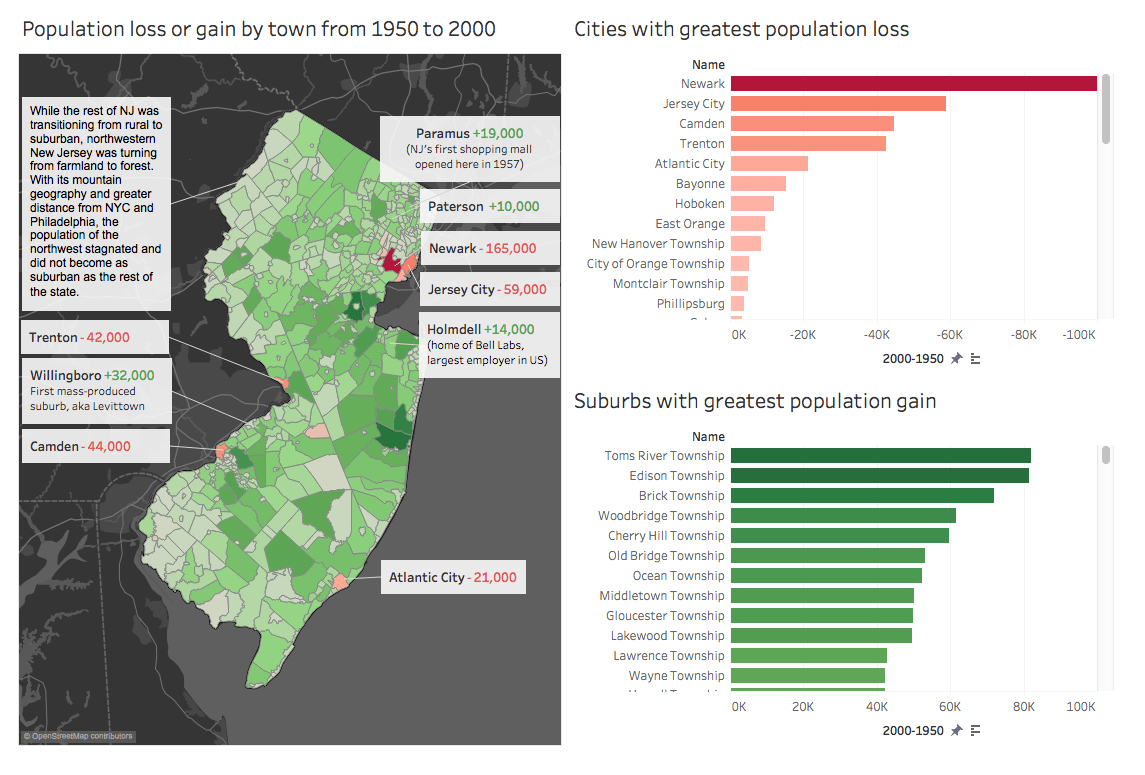
Analysis of US census data reveals spatial trends in New Jersey’s suburban sprawl from the 1920s to 2020s. NJ’s landscape evolved from an urban state in the 1920s to what is now a suburban state with diminished civic realm. This analysis uses data to explore municipal fragmentation, population density shifts, and enduring economic challenges. The state’s unique political geography causes persistently high property taxes and spatial inequality. NJ’s story reveals mirrors larger spatial patterns in American urban history. VIEW PUBLICATION >
Book Review of “Saving America’s Cities”

A review of Lizabeth Cohen’s book

“Saving America’s Cities: Ed Logue and the Struggle to Renew Urban America in the Suburban Age.” (New York: Farrar, Straus and Giroux, 2019. 547 pp.)

Winner of the Bancroft Prize in 2020 for the quality of her historical writing VIEW PUBLICATION >