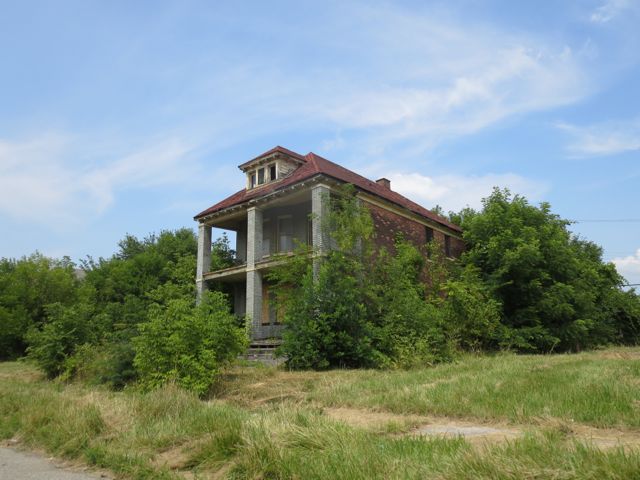
Warren Street School Demolition

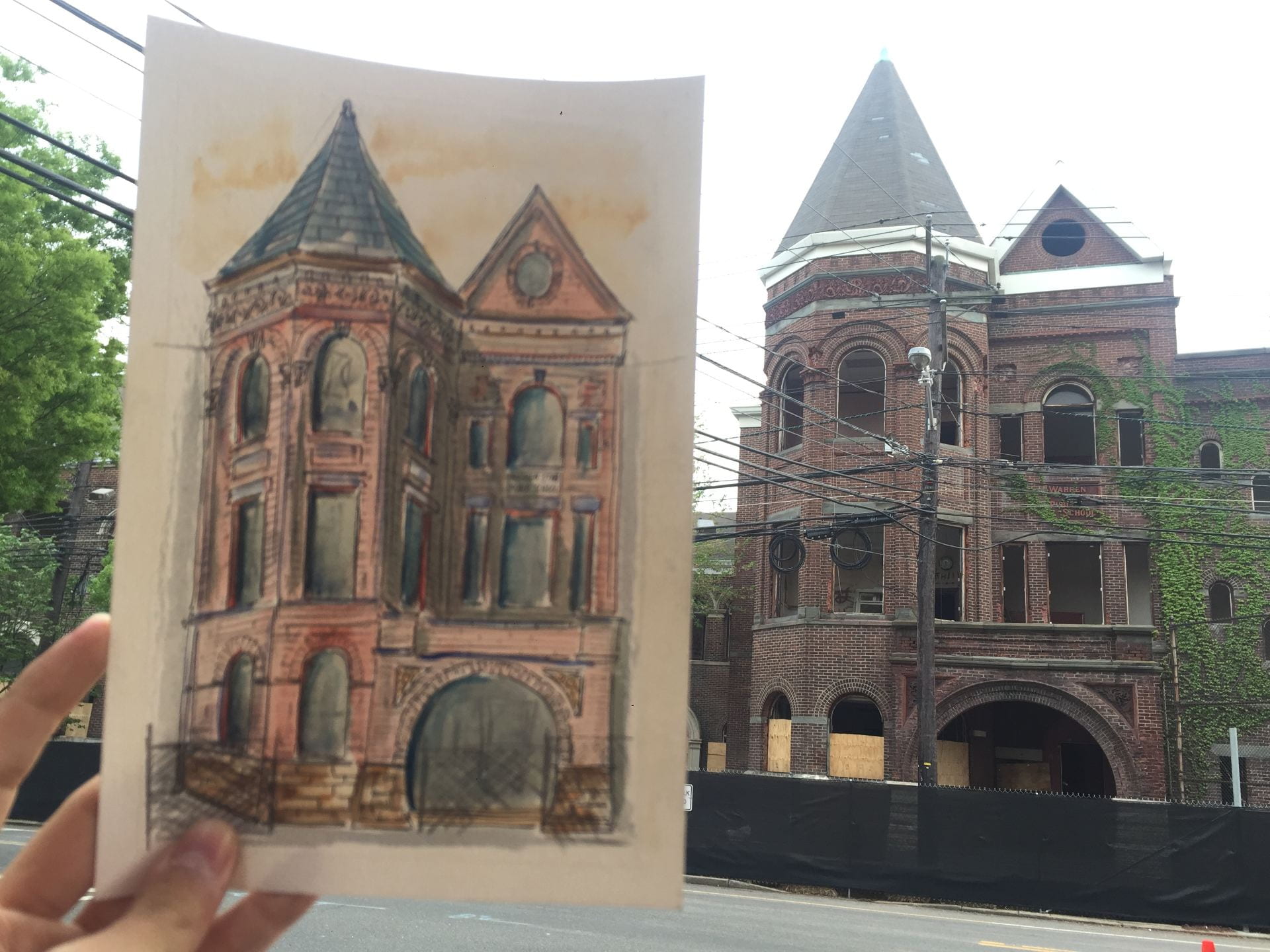
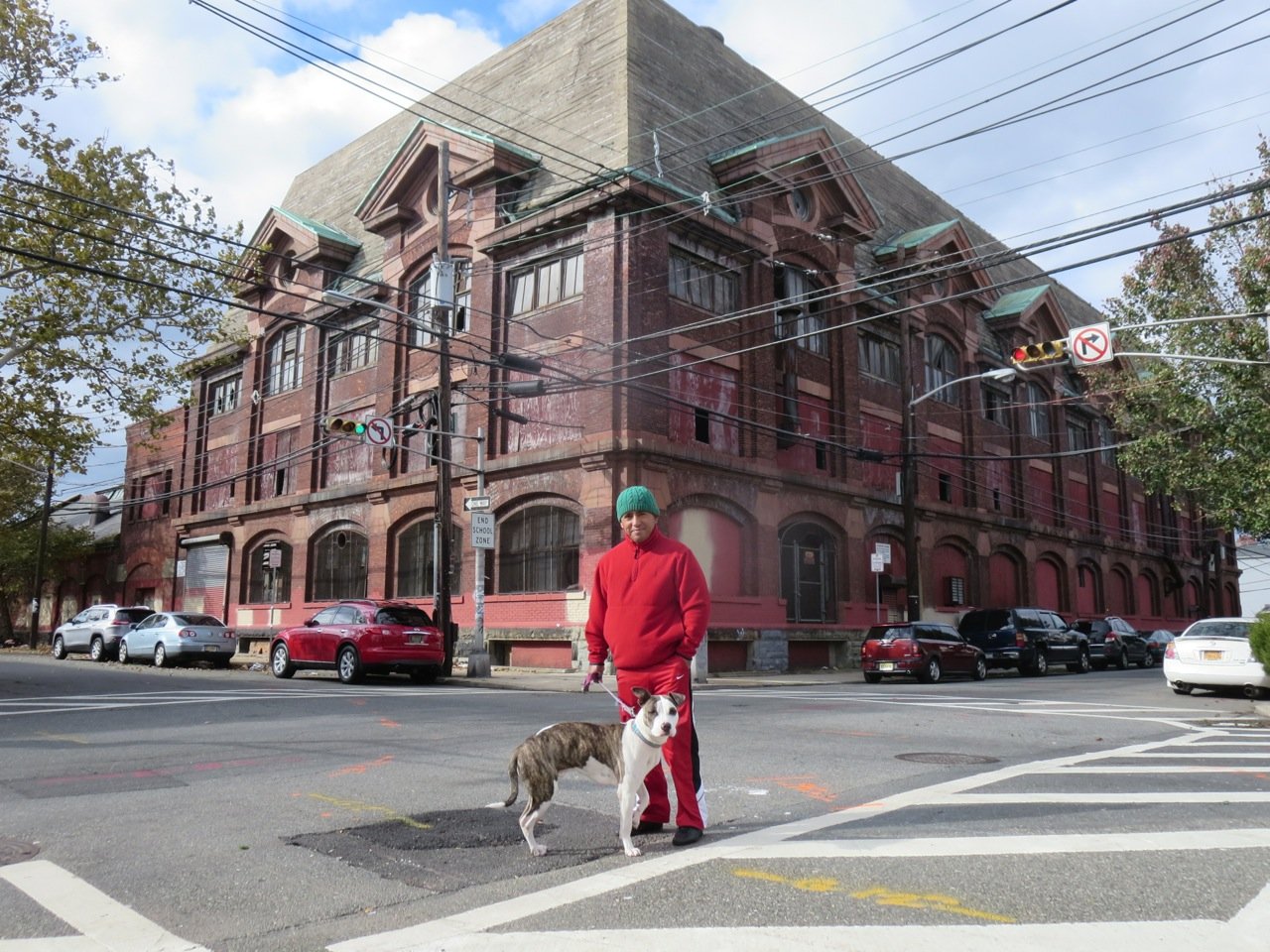
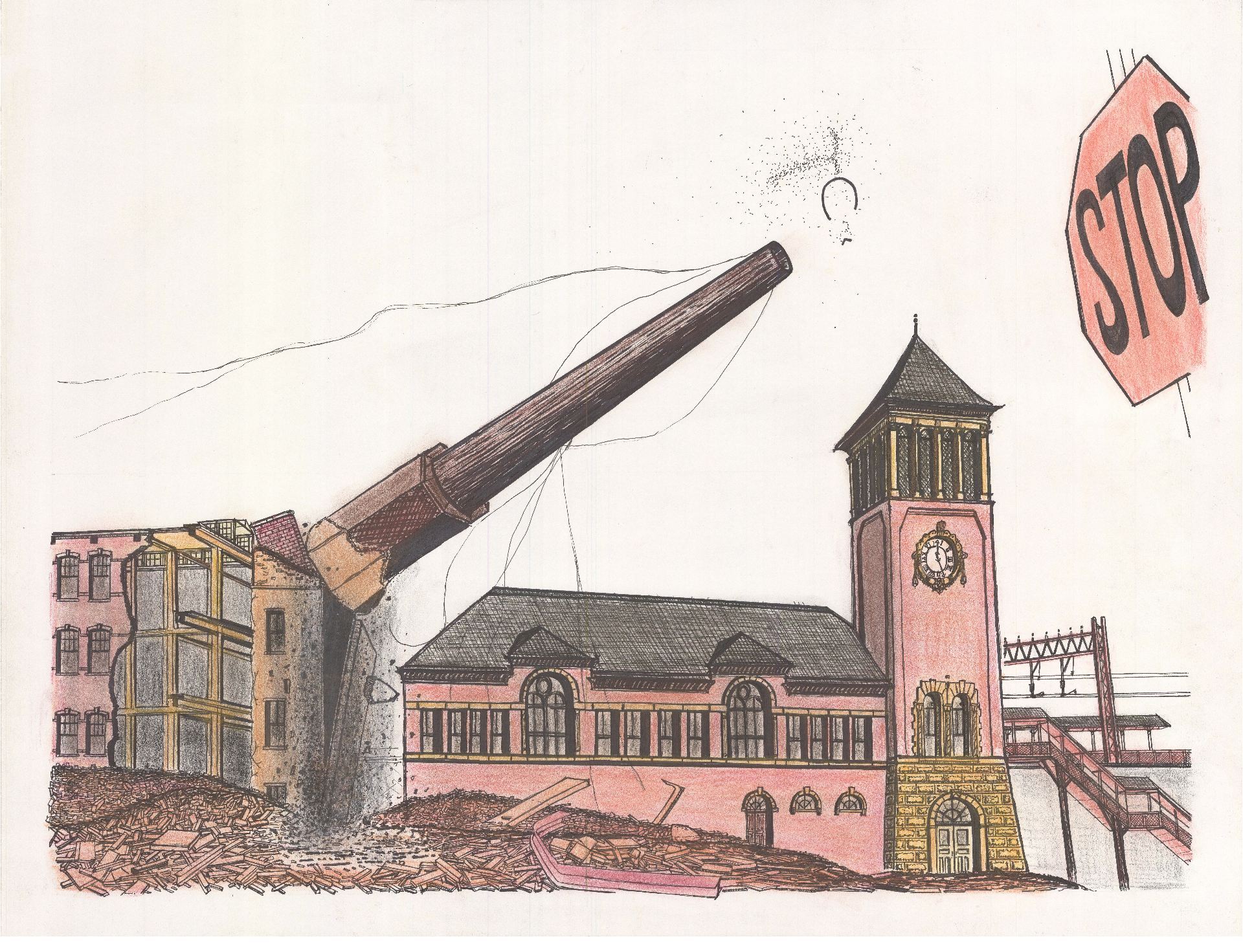
The historic 1890s Warren Street School stood in Newark’s University Heights neighborhood and served a century of public school children. Despite its landmark status and eligibility for future inclusion on the National Register of Historic Places, Newark City Hall approved demolition on April Fool’s Day in 2021. This demolition highlights the New Jersey Institute of Technology’s calculated disregard for architectural heritage. The demolition act also symbolizes a broader trend of city leadership that is ignorant of history and the power of historic preservation to cultivate local identity. VIEW PUBLICATION >
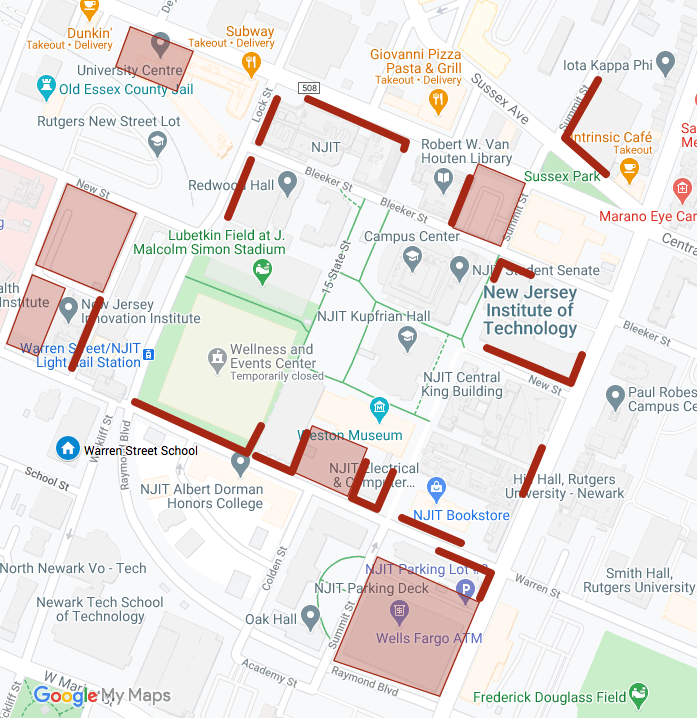
Bulldozer Urbanism

The New Jersey Institute of Technology (NJIT) faces criticism for demolishing historic buildings in Newark’s James Street Commons Historic District. While NJIT invested significantly in architecture for its students, the parts of campus that face toward the city and commmunity lack community engagement and negatively impact urban aesthetics. I advocate for campus planning that enhances neighborhood life and preserves historical assets. VIEW PUBLICATION >

Architecture of Endurance in Manhattan Chinatown

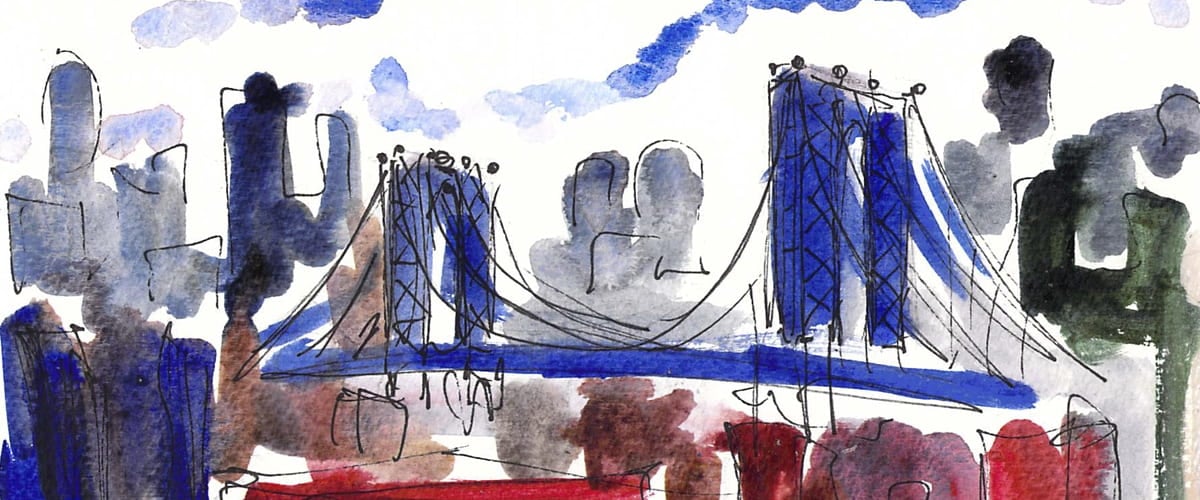
The text and images for this walking tour were created for the non-profit artist collective City as Living Lab, as part of the Jane’s Walks tour series at the Municipal Art Society of NY. In this walking tour with observations of Chinatown’s history and streetscape, I feature a few of my watercolors. I guide visitors to see Chinatown’s architecture as a container and mirror of shifting social norms and a culturally rich immigration history. As people shape their built environment, their built environment in turn shapes them – their values, beliefs, health, and life outcomes.
Read transcript of tour and interactive map of Chinatown created for Municipal Art Society. VIEW PUBLICATION >

Imagining a world after the coronavirus

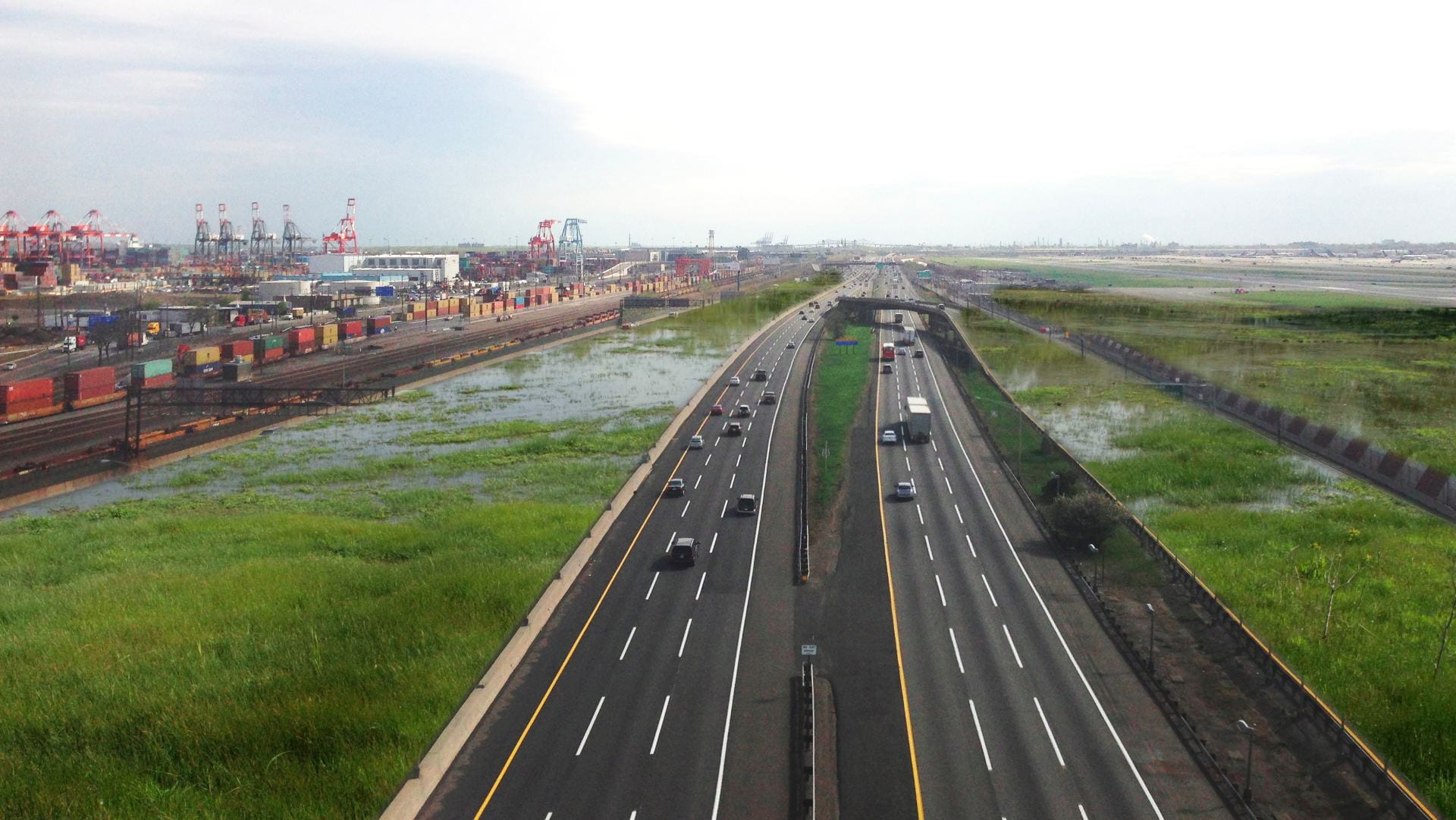
This workshop organized by The Architectural League of New York emphasized the need to reinvent architecture and urban planning in light of the conjoined crises of COVID-19 and climate change. The workshop aimed to bring young professionals together to discuss how to adapt spaces and infrastructures to evolving societal needs, reducing reliance on traditional commuting and repurposing abandoned sites to more sustainable land uses than just surface parking and highways. VIEW PUBLICATION >

Demolishing Public Space at New York Penn Station

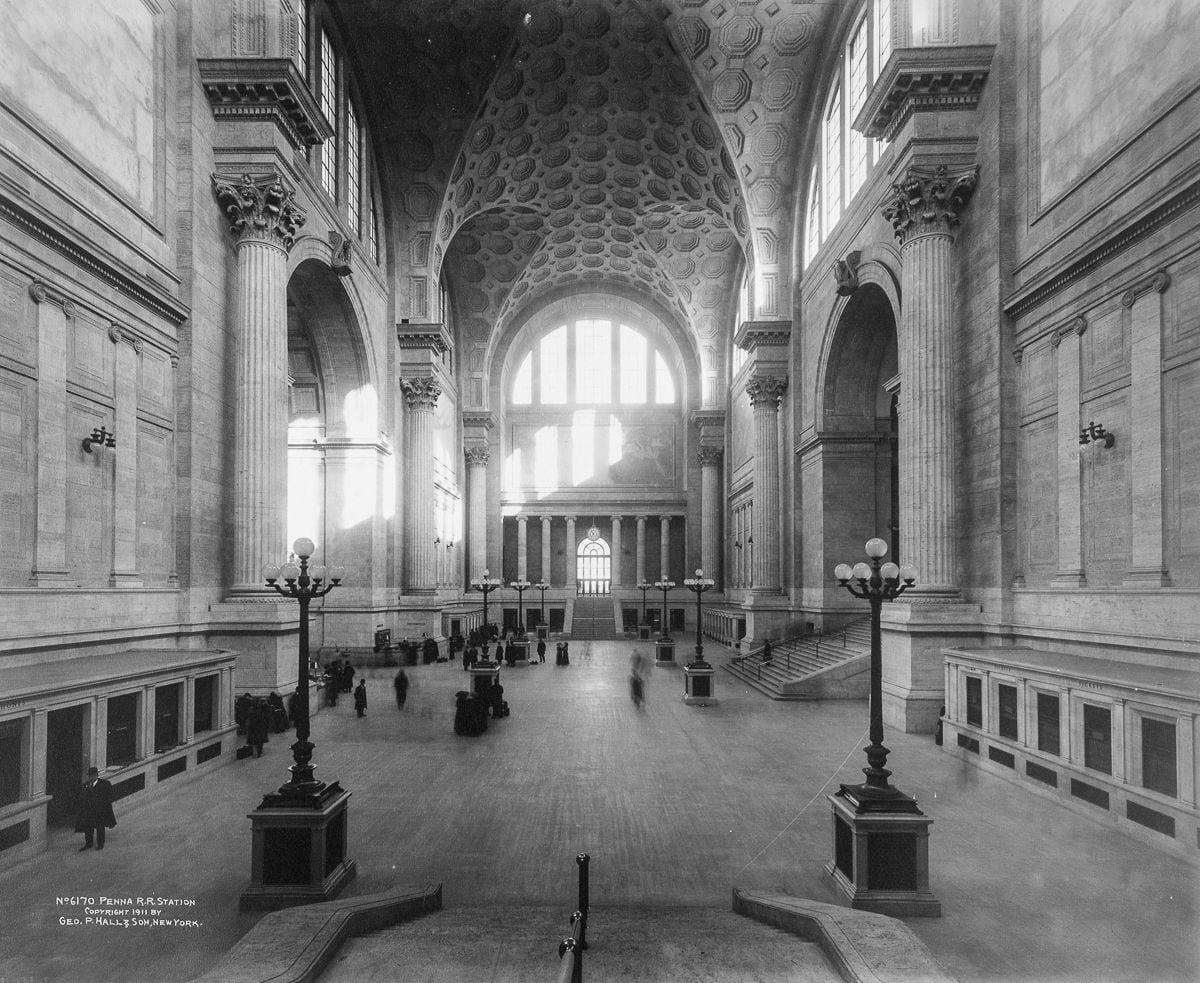
The untimely and short-sighted demolition of old Penn Station in 1963 symbolizes the eroding quality of public space in New York City. In the conflict between developers and community voices in New York, the narrow considerations of economic profit triumphed over the broader community’s demands for historical preservation and high-quality public space. In this essay written for historian Evander Price’s summer 2020 class I took at Harvard University, I reflect on what the loss of this landmark reflects about the destructive nature of American capitalism. VIEW PUBLICATION >

Newark Metamorphosis

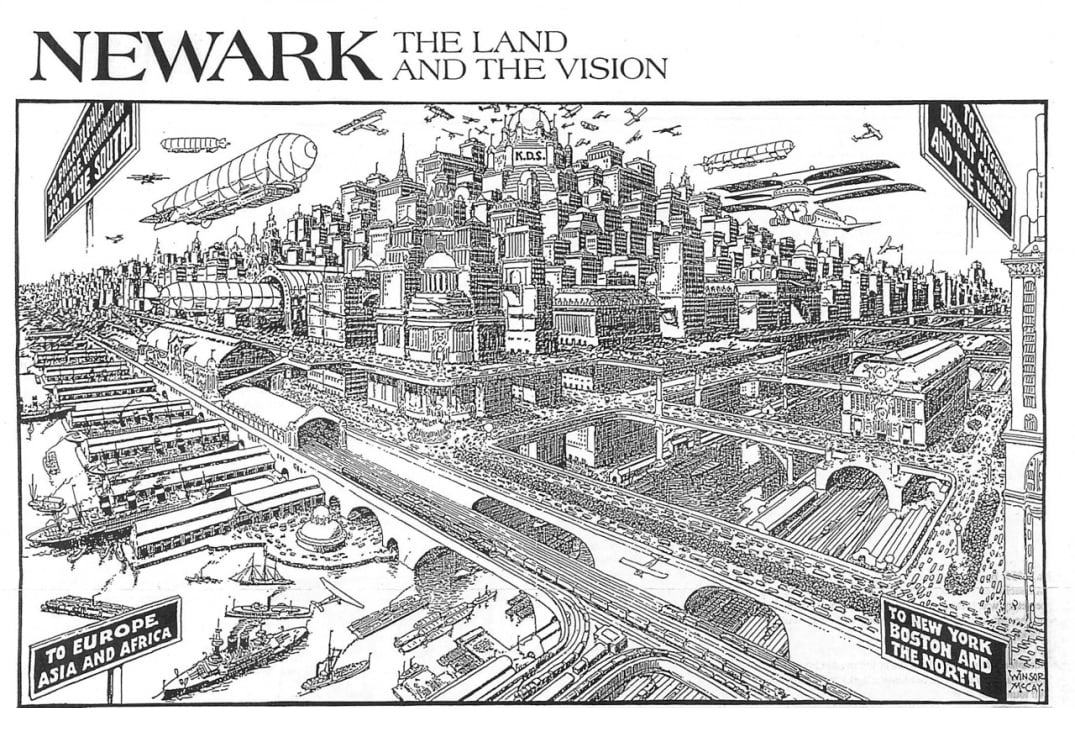
This exhibit created for the Newark Public Library uses postcard comparisons of past vs. present to showcase Newark’s architectural evolution from 1916 to today. The project highlights the loss of cultural heritage due to urban renewal and demographic change. The resulting interactive map presents 150 comparative views, which illustrate the progressive loss of human-scale small structures that were central to the city’s vanished neighborhood identity. VIEW PUBLICATION >
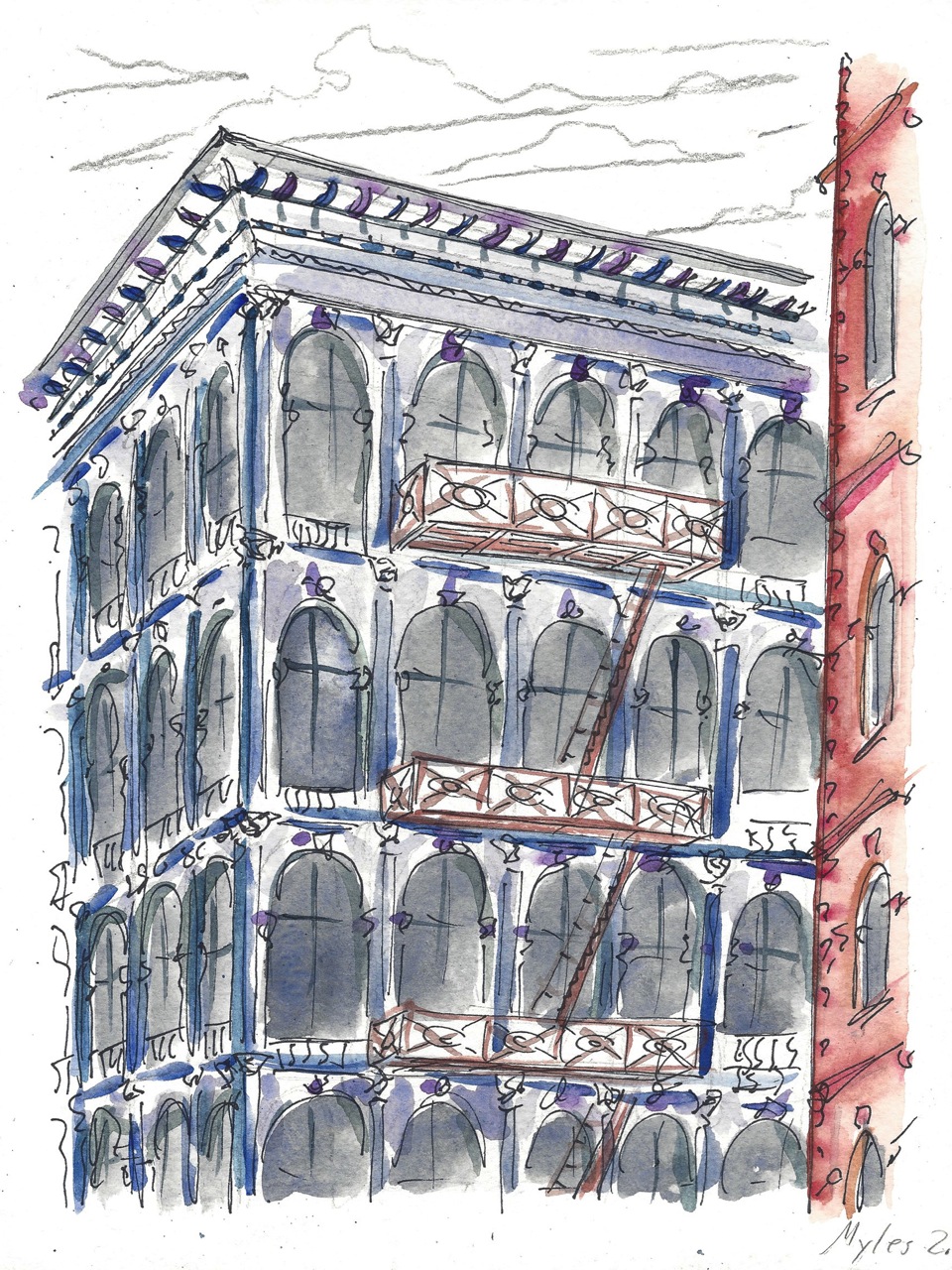
Walking in Manhattan

This project features a portfolio gallery of my drawings, watercolors, paintings, and photographs of Manhattan island. The portfolio is divided into ten “walks” over the chapter structure of ten “days.” Each “day” features some of my artwork about a different neighborhood of Manhattan: Chinatown, SoHo, East Village, West Village, the High Line, Madison Square, Midtown, Central Park, Riverside Drive, Morningside Heights, Harlem, and Washington Heights. VIEW PUBLICATION >

Murphy Varnish Lofts in Newark

Murphy Varnish, built in 1886, is one of Newark’s oldest factories still standing. Its brick walls, terracotta ornament, and intricate brickwork reflect a time when industrial structures were more than just functional. Murphy Varnish reflects a time when industry was central to Newark’s wealth and key to its future success. It is a monument to industry, built to last. Recent renovation efforts promise to turn this derelict structure into a community of apartments. VIEW PUBLICATION >

The Vanishing City of Newark

Vanishing City is a visual documentary and photo essay about architecture and redevelopment in Newark. An abandoned barge sinks in murky waters.  A former factory tumbles before the wrecking ball.  A sea of weeds lays siege to a vacant home. An empty lot is a gaping hole, a missing tooth, in the urban body. As a wall crumbles to the ground, a tree, anchored to the wall, reaches for the sky. VIEW PUBLICATION >

Pictures of Newark

I spent much of the past few years painting and photographing my changing city. This short film features a selection of my work, complemented by classical music. Five of Modest Mussorgsky’s pieces from his composition Pictures at an Exhibition are selected, each of which represents the feel of a certain part of Newark. VIEW PUBLICATION >

Urban Garden in Newark

By Myles and Maia Zhang
Our family’s reflection and photo essay on the annual tradition we have of planting flowers in a vacant lot.

“In time, we will wind our way and rediscover the role of architecture and man-made forms in creating a new civilized landscape. It is essentially a question of rediscovering symbols and believing in them once again. […] Out of a ruin a new symbol emerges, and a landscape finds form and comes alive.”

– John Brinckerhoff Jackson VIEW PUBLICATION >

Chinatown: a living neighborhood

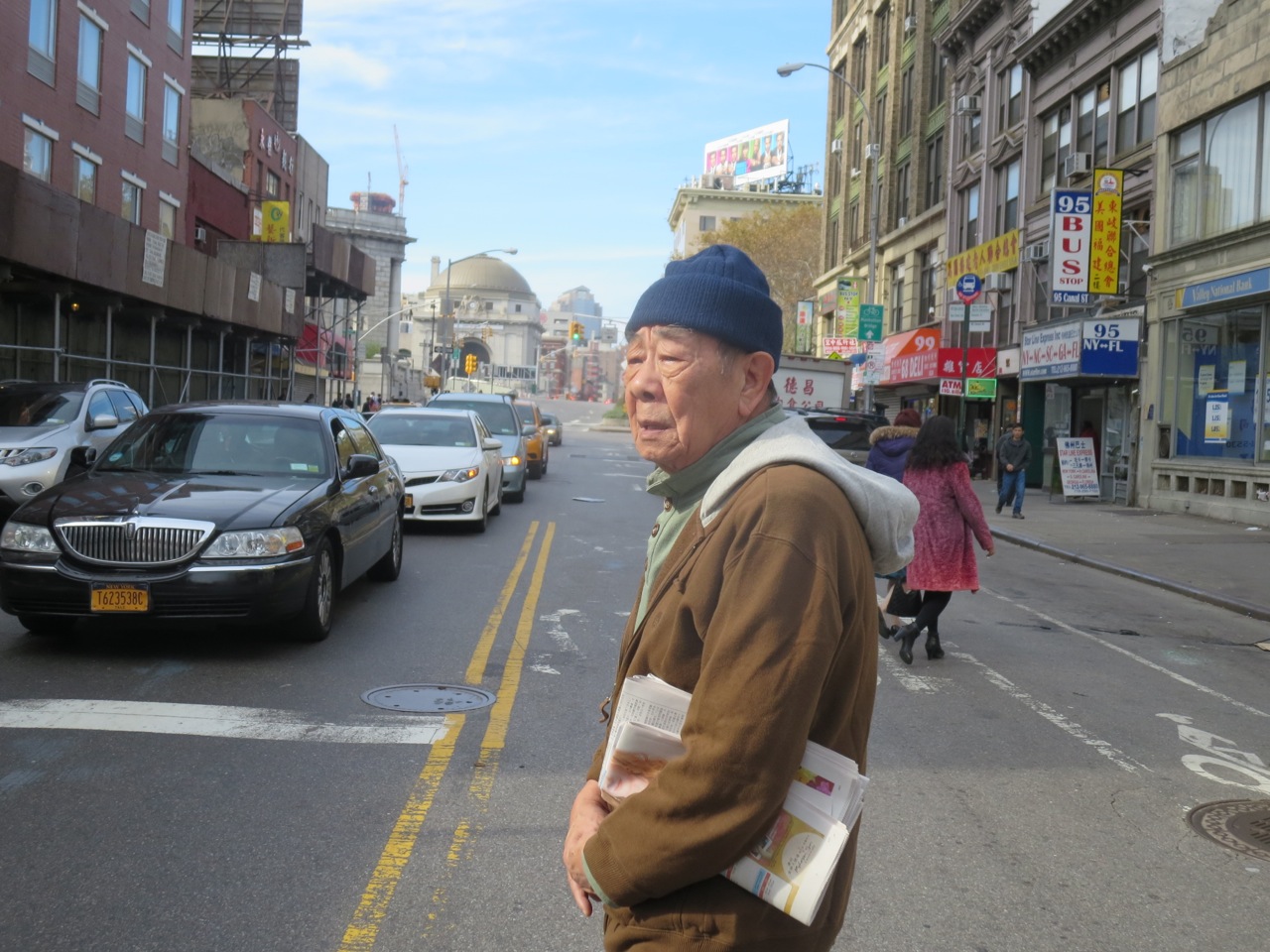
In this visual essay of drawings, paintings, and photos I explore my walks in Manhattan Chinatown. Chinatown is both static and dynamic: Static in its resilience against gentrification, dynamic in its cultural interplay between past and present, immigrant and American. VIEW PUBLICATION >

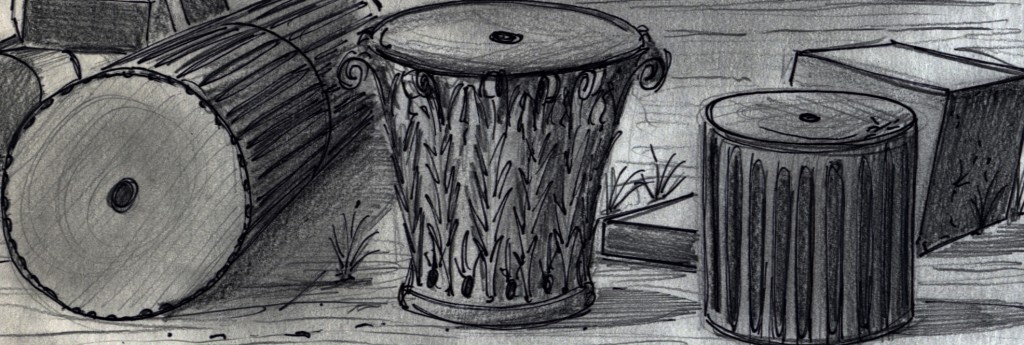
The Legacy of Vitruvius

Essay selected from successful 2014 application to the Telluride Association Summer Program at the University of Michigan in Ann Arbor.

In this essay, I reflect on the Roman architect Vitruvius and ask: Rome left a footprint on the built environment. What will our society leave? VIEW PUBLICATION >