Racializing Space

Drawing from the perspectives of architecture, planning, sociology, and history, this panel discussion at the University of Michigan’s College of Architecture and Urban Planning considers the evidence for how and why the American city and suburb – specifically Detroit – remain spatially segregated. What steps must be taken to fulfill the dream of an egalitarian metropolis? Panelists included:
Sociologist Karyn Lacy
American historian LaDale Winling,
Urban planning historian Robert Fishman
Conversation moderated by Myles Zhang. VIEW PUBLICATION >

The Geography of Racial Segregation in 1940s Detroit

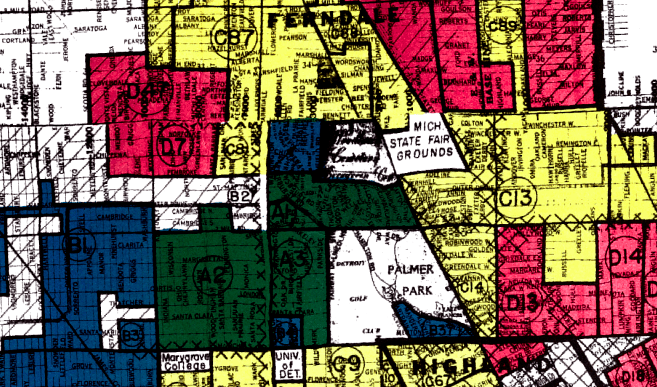
This interactive story map created in ArcGIS visualizes the geography of racial segregation, income inequality, and disparities in homeownership in 1940s Detroit. The origins of Detroit’s contemporary urban crisis originate in specific design, policy, and urban planning decisions made almost a century ago. VIEW PUBLICATION >

“The State is Responsible”

The article examines racial segregation in Royal Oak Charter Township and Detroit Public Schools, exploring how race-based policies have historically influenced public education quality. It highlights how the 1974 Supreme Court case Milliken v. Bradley contributed to growing racial segregation and class inequality between black and white communities in Detroit. VIEW PUBLICATION >

Historical Reconstruction of Ford Model T Assembly Line

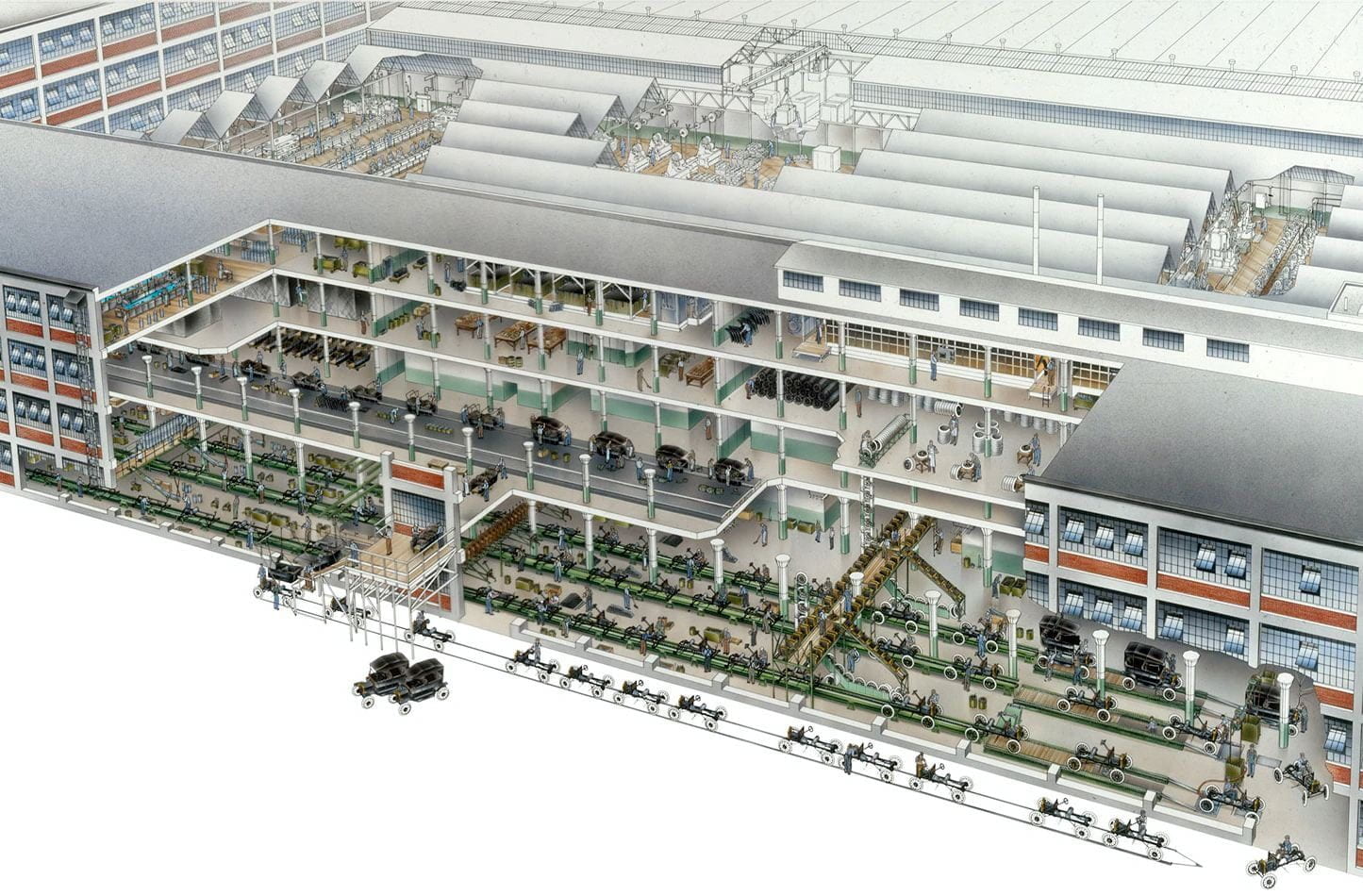
Based on extensive archival documents, this historically-accurate film showcases the assembly of the 1915 Model T Runabout at Ford’s Highland Park factory. This projects represents the first complete visual and cartographic documentation of this manufacturing process from 1908 to 1927. It highlights Ford’s innovative yet evolving assembly line techniques, which revolutionized car production, contrasting with previous methods. VIEW PUBLICATION >

The Detroit Evolution Animation

Old maps were layered and animated to reveal the scale of Detroit’s transformation from French colonial trading post, to 19th-century boom, to 20th-century decline. Cartography highlights how political policies, technological changes, and the Great Migration accelerated racial segregation and the decline of mass transit. Detroit reflects broader trends seen in American cities.

Project developed with historian Robert Fishman for an exhibit and lecture, funded by Egalitarian Metropolis grant from Mellon Foundation. VIEW PUBLICATION >