Time-Lapse Evolution of Istanbul’s Urban Form: 330 AD to Present

This film project utilizes historical cartography and GIS to create a time-lapse animation of Istanbul’s urban development over millennia. It illustrates three significant periods: Byzantine rule (330AD-1453), Ottoman rule (1453-1923), and modern metropolitan growth (1923-present). The animation visualizes changing coastlines and showcases the evolution of 200 archaeological sites, churches, aqueduct routes, and early Roman roads. Viewers can explore the film with the accompanying soundtrack or pause the map and zoom into a high-resolution map of individual places. VIEW PUBLICATION >

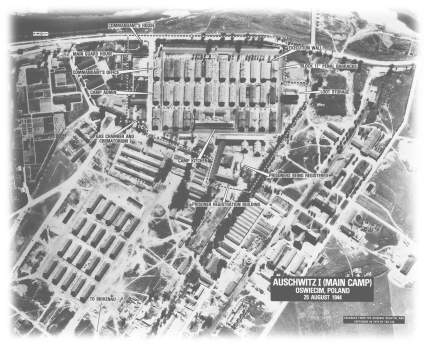
Interactive time-lapse map about construction of the Auschwitz-Birkenau concentration camp

This project utilizes georeferenced historical maps and time sliders to document the transformation of the region around the Auschwitz-Birkenau concentration camp from 1945 to today. The interactive map highlights the selective preservation, demolition, decay, or adaptive reuse of significant camp structures linked to the Holocaust. The project uses interactive time-lapse cartography to inform public understanding of the Holocaust and the landscape of tragedy it produced. VIEW PUBLICATION >

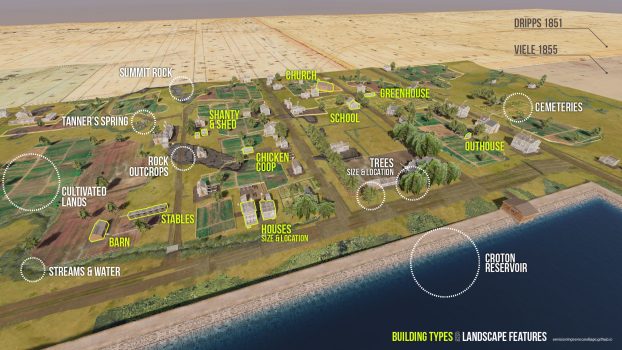
Envisioning Seneca Village

This collaborative project by Gergely Baics, Meredith Linn, Leah Meisterlin, and Myles Zhang. The project showcases a historically-accurate and archaeologically-informed 3D model of the historic African American community of Seneca Village, which was demolished in 1857 to build Central Park. The project combines digital reconstruction with extensive research, as public-facing tools to commemorate the village’s history and legacy. The project was recognized with multiple awards, widespread use in classrooms, and publicity by the Central Park Conservancy.

Developed with major support from Mellon Foundation, American Historical Association, and Central Park Conservancy.

Visit: EnvisioningSenecaVillage.github.io VIEW PUBLICATION >

Setting Up Sex Offenders for Failure

This blind peer reviewed article discusses how stringent laws for sex offenders, like Megan’s Law and residency restrictions on where sex offenders may live, inadvertently lead to higher rates of re-arrest and re-conviction. These web of laws ironically increase the crime rate and cause thousands of low-income sex offenders to be re-arrested for crimes unrelated to the abuse of minors. Focusing on New York City, this research highlights issues with the home address requirement and suggests reforms to enhance public safety more effectively than current regulations.

As published by Agora Journal of Urban Planning and Design, v.18, p.2-15 VIEW PUBLICATION >

Homeownership and the Racial Wealth Gap

In March 2024, I presented at the Newark Public Library, as part of the Newark History Society’s monthly circuit of public lectures. My two-hour presentation discussed the deep historical roots between Newark’s poverty and the wealth of affluent neighboring suburbs. Beyond simple narratives of redlining and race, the presentation explored the complex economic, political, and policy factors behind Newark’s decline. The research conducted in preparation for this presentation evolved into what is now my book project titled Plundering the City.

View recording of conference presentation. VIEW PUBLICATION >

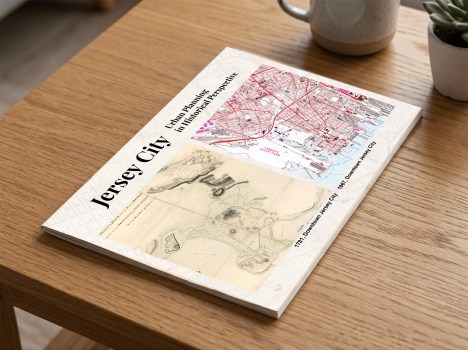
Jersey City: Urban Planning in Historical Perspective

This urban planning pamphlet was commissioned by the Jersey City Public Library as an educational tool about the city’s history from 1900 to today. The project overlays citywide maps of every building in 1873, 1919, and today – to reveal changing land use patterns. The project also includes a PDF booklet about Jersey City’s six master plans, each of which captures the spirit of the city and the governing philosophies of city planners at the time. These documents reveal the city’s evolution in response to urban challenges and broader themes in U.S. urban history.

As published by Jersey City Public Library with financial support from Hudson County government VIEW PUBLICATION >

Newark Changing in Maps: 1889, 1927, 1930

This project overlays historical city-wide fire insurance and tax maps above the contemporary geography to reveal change over time. Detailed maps of building footprints from 1889, 1927, and 1930 reveal different patterns of land use, community life, and walkable streets. Find your building, your workplace, or any site in Newark – and identify who lived there a century ago with the unique tool of this interactive map. VIEW PUBLICATION >

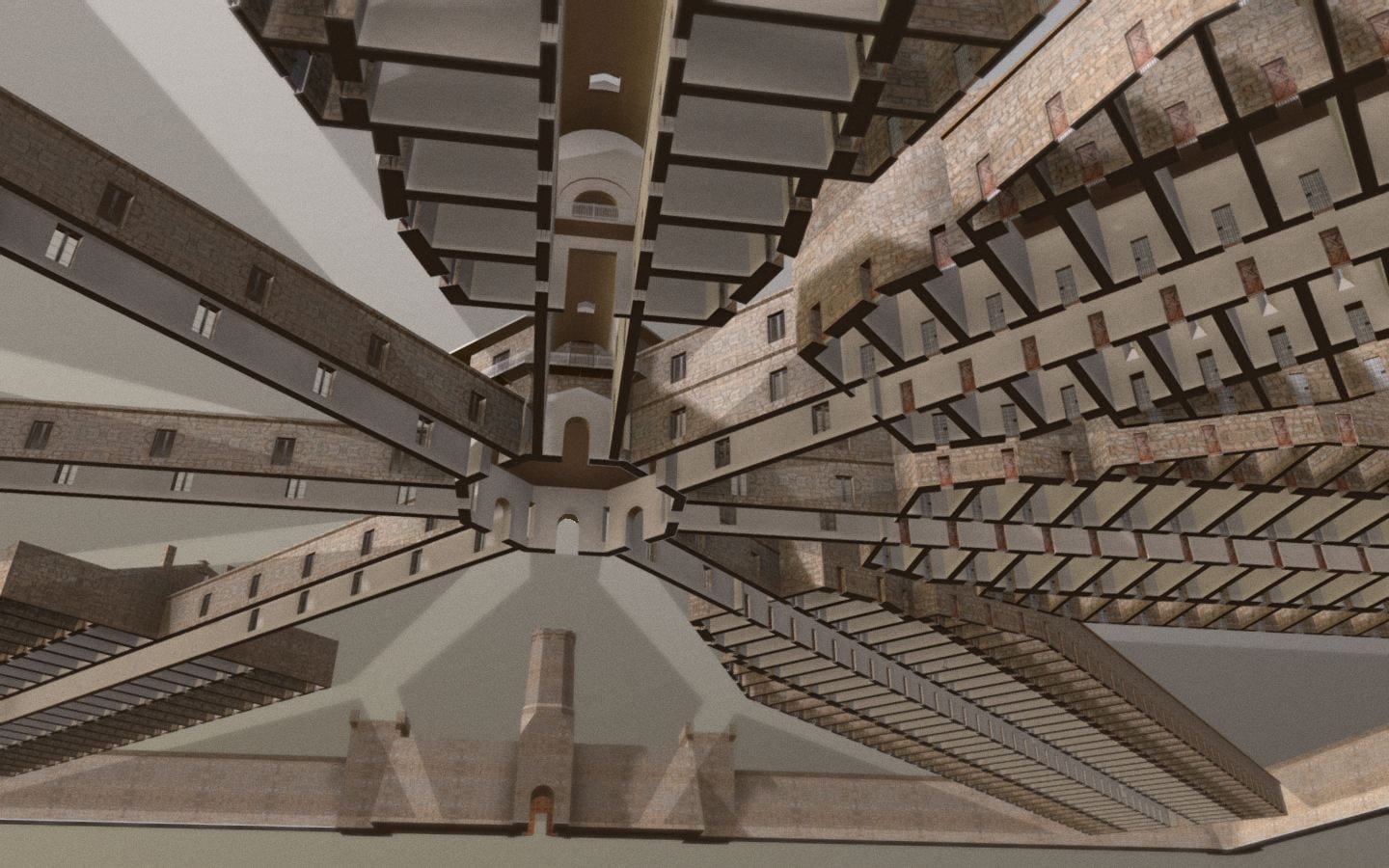
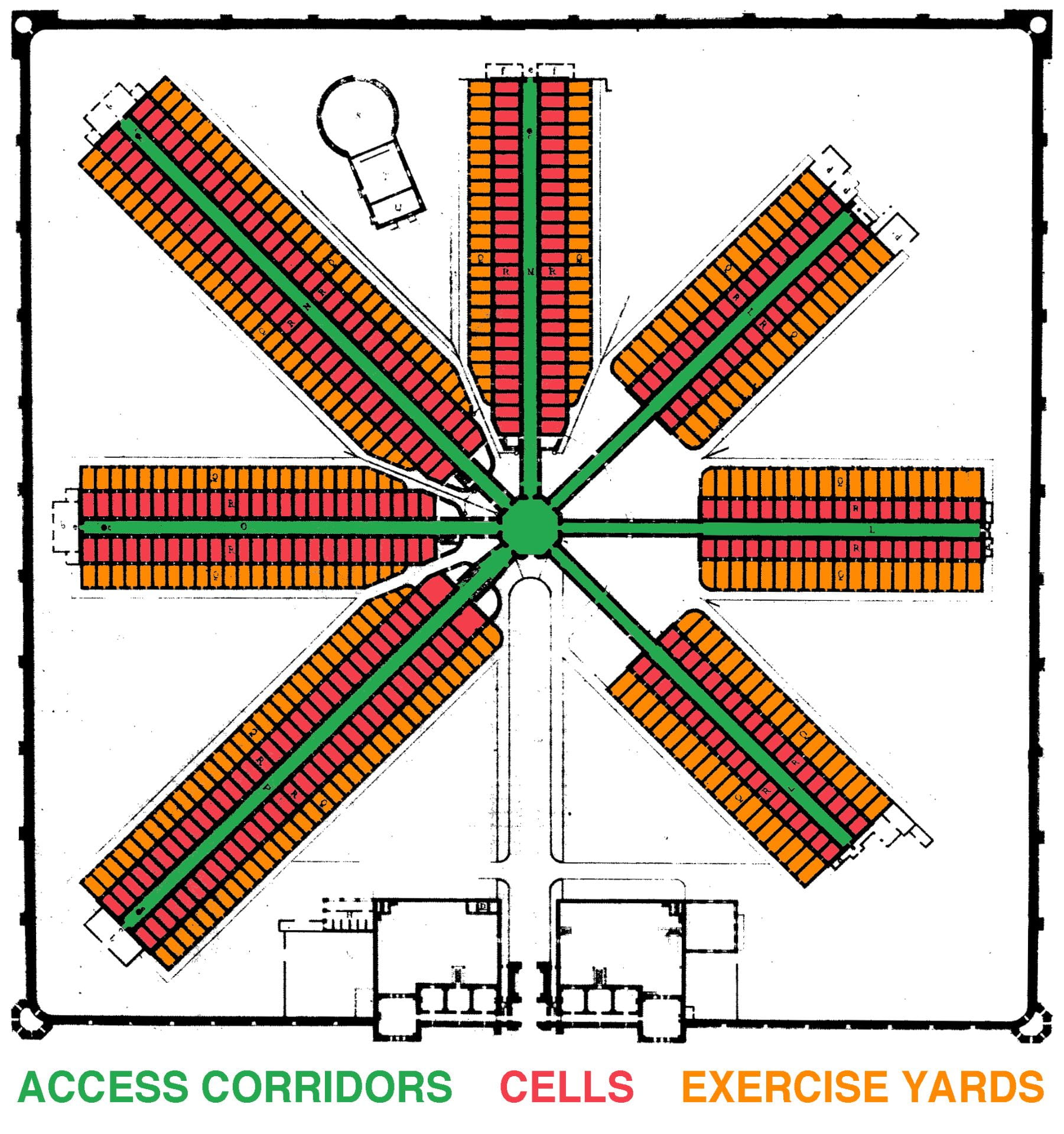
Eastern State Penitentiary Construction Sequence

This time-lapse animation with audio narration uses the tools of virtual reality to reconstruct the appearance of Eastern State Penitentiary during each year of its 148 years of operation from 1823 to 1971. This reconstruction is based on original plans and primary sources about the jail’s architecture. It uses film to reveal how the building’s envelope was expanded and modified each decade in response to evolving design philosophies, public attitudes towards incarceration, and the ever-expanding size of today’s carceral state. VIEW PUBLICATION >

Built on a Billion-Dollar Bed of Corporate Tax Breaks

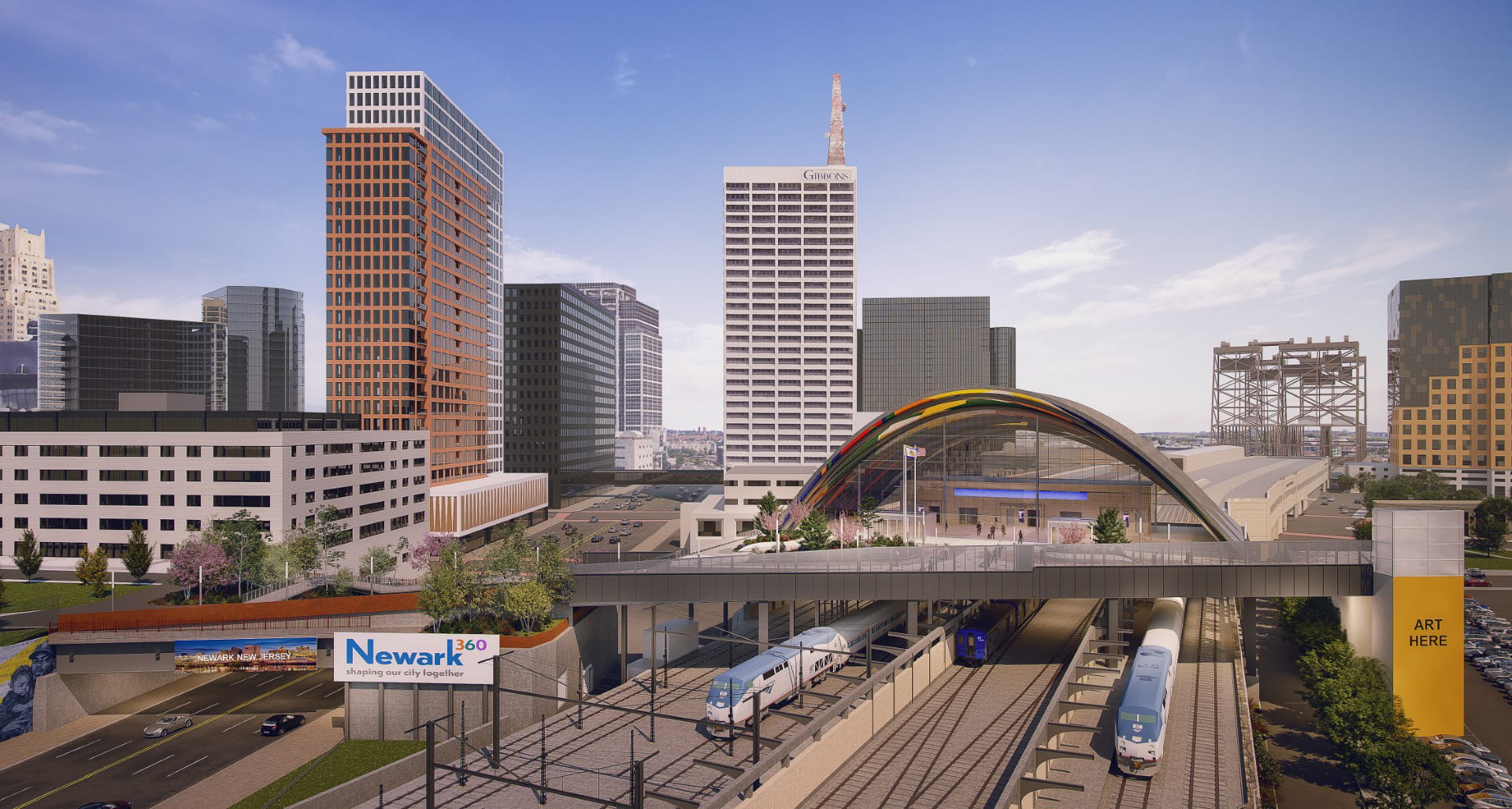
This research examines tax breaks and public funds granted to help developers build in Downtown Newark. There are inequities in who benefits from these incentives: Larger corporations receive substantial tax breaks while smaller developers and small business owners struggle. The report proposes several policy recommendations for ensuring equitable economic Downtown redevelopment, highlighting the need for public accountability and fair property tax assessments. The problem is not tax breaks. The problem is: Who gets them? VIEW PUBLICATION >

Time-lapse Animation of Triangle Shirtwaist Factory Fire

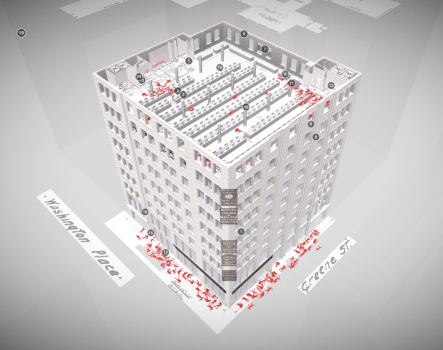
Based on court transcripts, eye witness testimonies, primary sources, and historical maps, this animation reconstructs the workplace conditions and abuses that caused the Triangle Shirtwaist Factory fire. This fire on 25 March 1911, killed 146 garment workers and represents a turning-point moment in the history of organized labor in America. This project is the first – and only – accurate-to-the-inch virtual reality model of the entire factory floor. VIEW PUBLICATION >

Time-lapse History of the United States

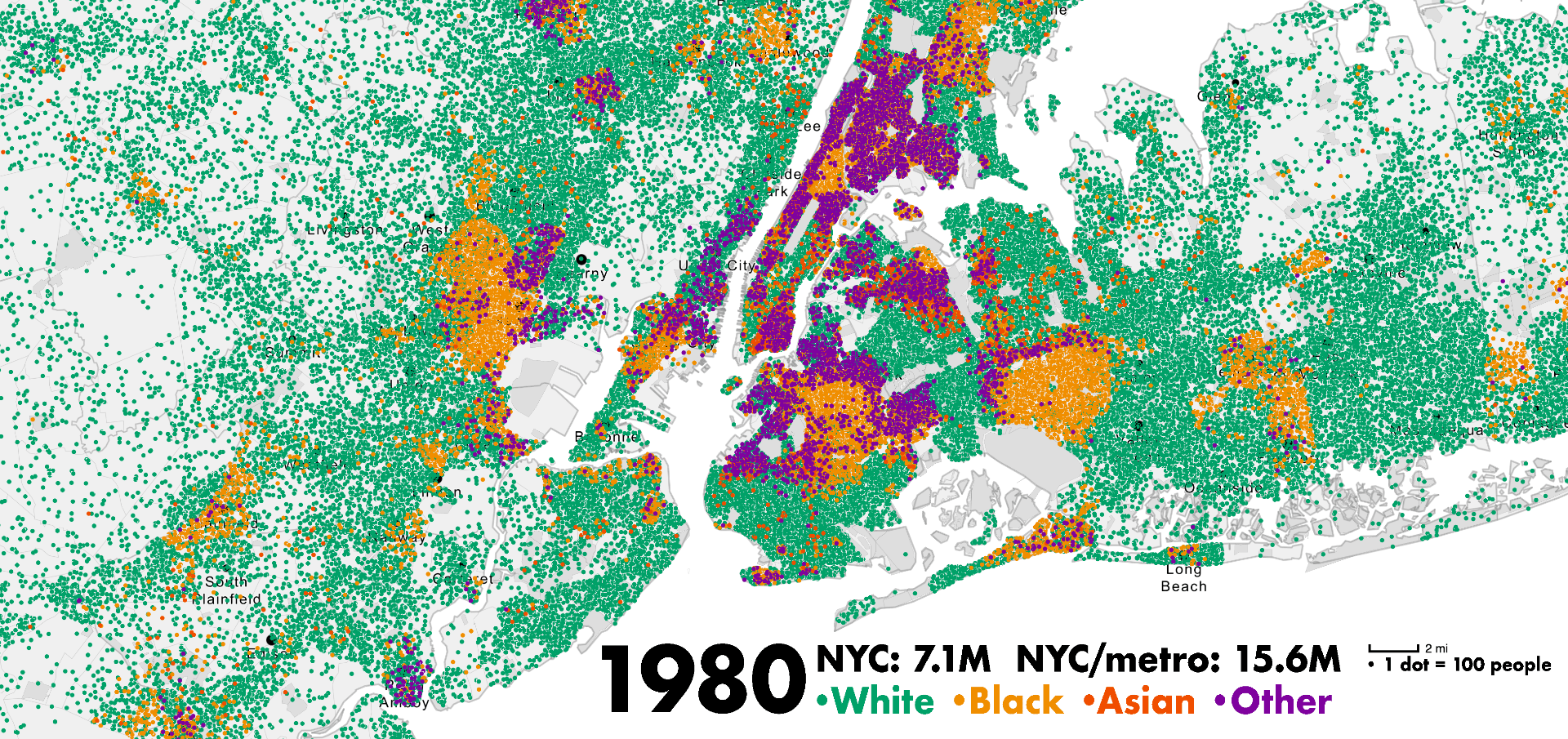
This animation maps 272,000 data points over 230 years of U.S. census data from 1790 to 2020. The film uses racial dot maps and maps of population density over time to illustrate America’s urbanization, industrialization, and conquest of the frontier. Each dot represents 10,000 people, with major cities highlighted. Philip Glass’s accompanying music prompts reflections immigration, land use, and transportation technology’s influence on settlement patterns. VIEW PUBLICATION >

Newark Changing: Mapping neighborhood demolition, 1950s to today

Newark Changing is an interactive visual encyclopedia featuring 2,400 photo comparisons from 1959-68 vs. today. The project illustrates the combined impacts of urban renewal, slum clearance, highway construction, and decades of demolition by neglect. Through a historic map, users can explore dozens of neighborhoods and thousands of demolished homes. This research highlights the devastation faced by communities due to decades of anti-urban policy decisions by the government and anti-black investment decisions by corporations.

As published by Newark Public Library. Visit: NewarkChanging.org/map VIEW PUBLICATION >
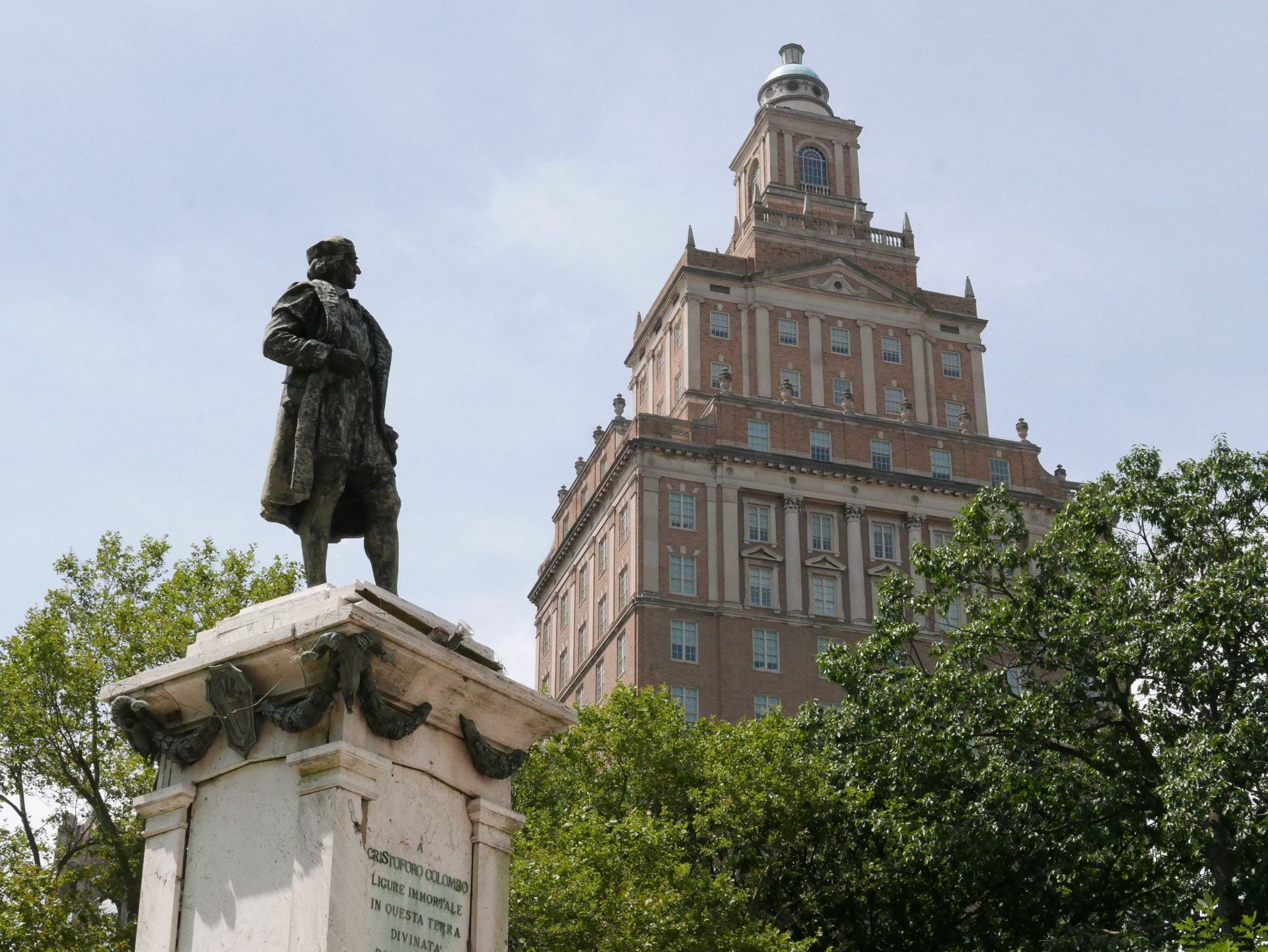
A park without trees creates a city without history.

Washington Park in Downtown Newark (renamed Harriet Tubman Square) is home to dozens of significant old-growth trees, some almost 200 years old. In 2022, local real estate developer Marc Berson proposed to cut down all of these tries – likely in a pre-emptive effort to build a parking garage beneath this historic park. These trees symbolize freedom and oppression in the African-American (and human) experience, and their preservation is vital to honoring history and heritage. Thanks to community efforts led by the city’s Italian community, Berson’s proposal was denied. VIEW PUBLICATION >
Cathedral of Beauvais: Sublime Visions; Thwarted Ambitions; A Sketch

Created with Stephen Murray and published by Columbia University’s Department of Art History & Archaeology for use in Core Curriculum classes. Beauvais Cathedral, the tallest Gothic cathedral in France, began construction in 1225 but was never completed due to major collapses in 1284 and 1573. This animation chronicles its ambitious yet troubled history, showcasing its design intricacies and centuries-long phases of construction. The animation process ultimately highlights the challenges of architectural construction during medieval times.

As published by Columbia University Core Curriculum program VIEW PUBLICATION >

Optimizing Architectural Models for Display Online

Difficulty Level: Intermediate to Advanced.
In this workshop featuring Notre-Dame of Paris as case study, you will learn how to create highly detailed but low-polygon-count models of any building you desire. These visually and geometrically complex models be small enough to load in your web browser. They can be viewed by clients, possible employers, and others online, with no need for them to download files or own specific software. Based on the content delivered in this six-part tutorial, you will be able to create similar models of any building, real or proposed. VIEW PUBLICATION >

The Geography of Racial Segregation in 1940s Detroit

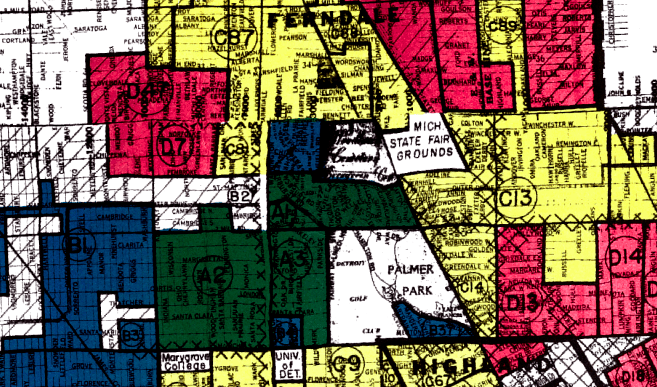
This interactive story map created in ArcGIS visualizes the geography of racial segregation, income inequality, and disparities in homeownership in 1940s Detroit. The origins of Detroit’s contemporary urban crisis originate in specific design, policy, and urban planning decisions made almost a century ago. VIEW PUBLICATION >
Historical Reconstruction of Ford Model T Assembly Line

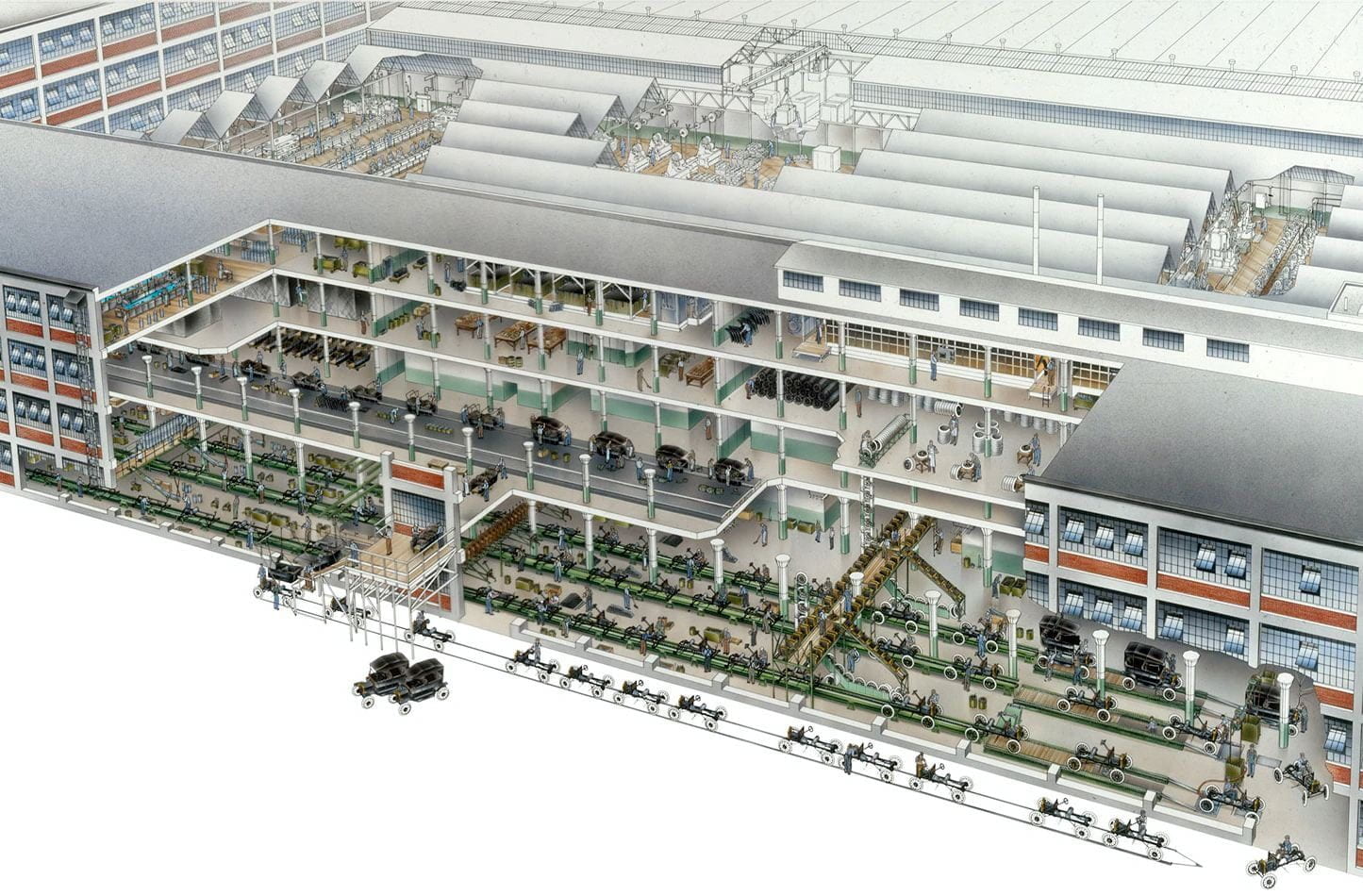
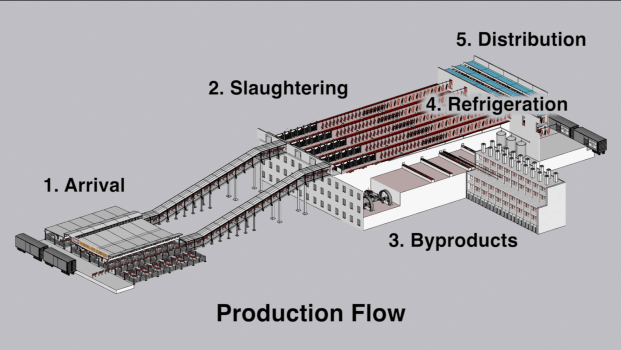
Based on extensive archival documents, this historically-accurate film showcases the assembly of the 1915 Model T Runabout at Ford’s Highland Park factory. This projects represents the first complete visual and cartographic documentation of this manufacturing process from 1908 to 1927. It highlights Ford’s innovative yet evolving assembly line techniques, which revolutionized car production, contrasting with previous methods. VIEW PUBLICATION >
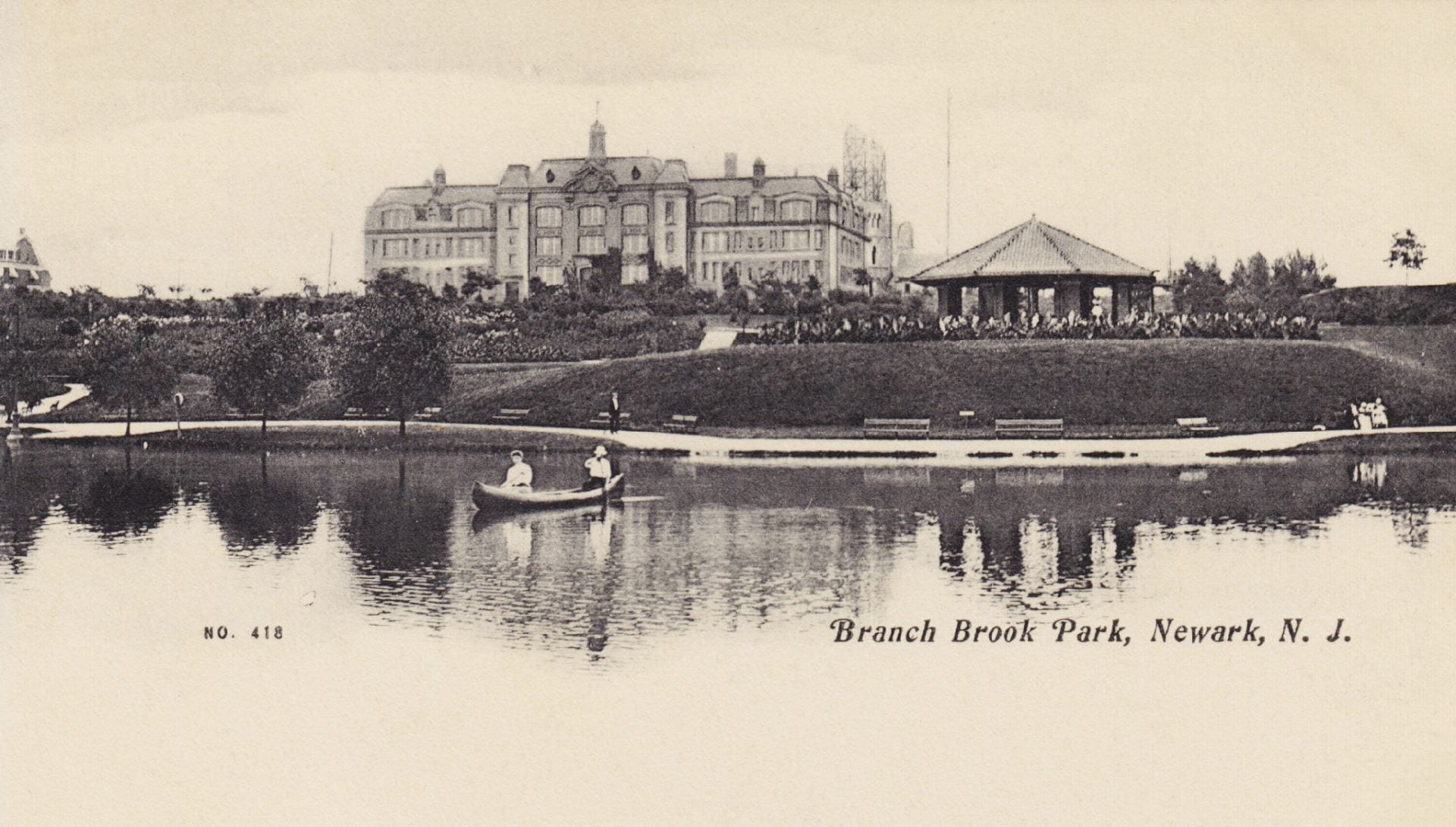
Branch Brook Park Interactive History Map

This is the official history map and guide for visitors to Branch Brook Park in Newark, NJ. This 360-acre park was designed by Frederick Law Olmsted Jr in the 1890s and is on the National Register of Historic Places.

Navigate this interactive map to learn about park amenities, recreational spaces, historic sites, transit connections, points of interest like the cherry blossoms, and vanished landscape features from Olmsted’s original plans. Map annotations are paired with explanatory texts and comparative photos of past and present.

Official park map as published by Branch Brook Park Alliance and Essex County government VIEW PUBLICATION >
The Privatization of Public Space in Lower Manhattan

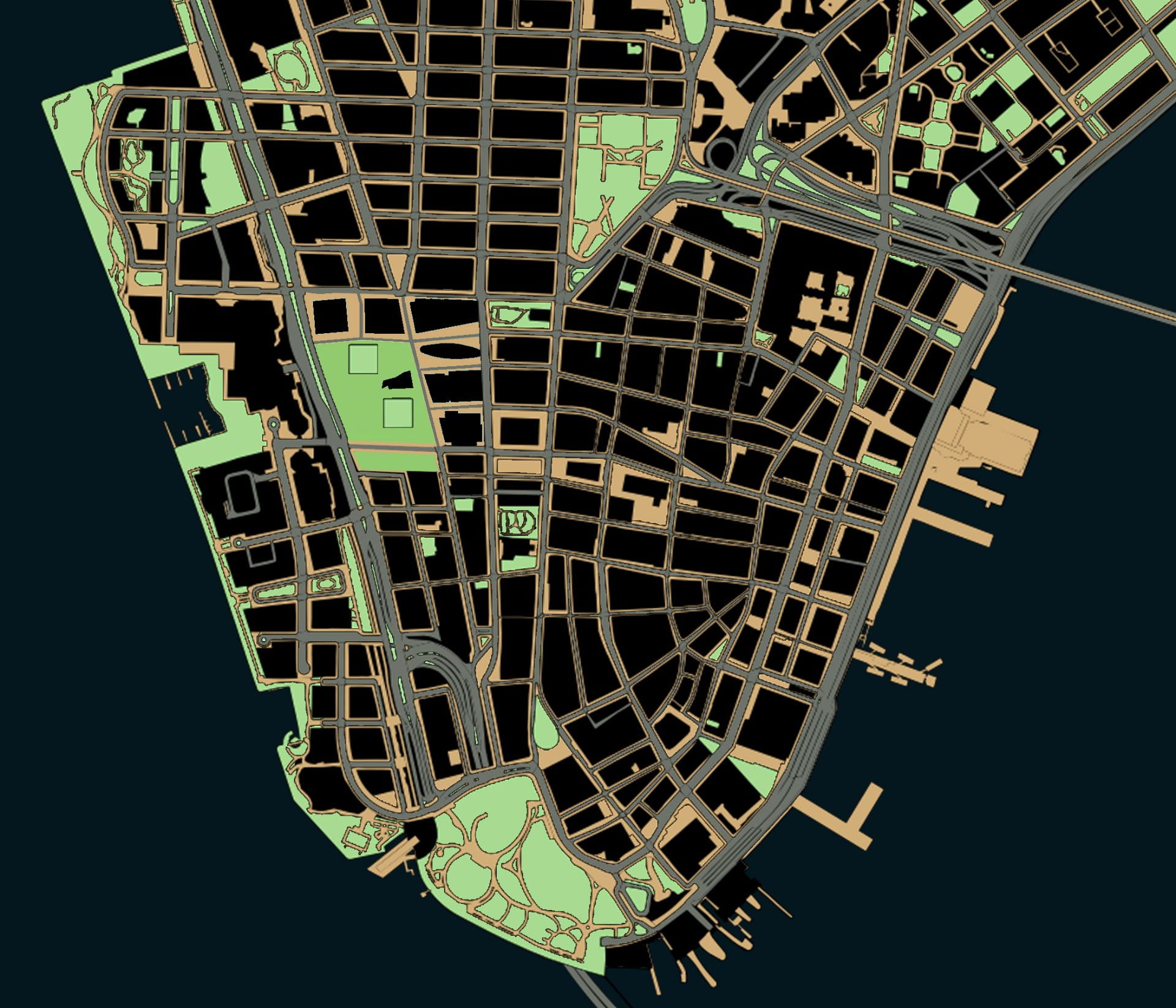
The decline of public spaces in Lower Manhattan is a pressing issue, threatening democracy and the sense of civic identity. While approximately 60% of Lower Manhattan’s ground area is technically dedicated to public use, only 25% remains truly accessible to pedestrians. Factors like cars, corporations, and surveillance have restricted urban life. Continued privatization erodes the quality and frequency of community interactions that are essential for democratic engagement and tolerance. VIEW PUBLICATION >
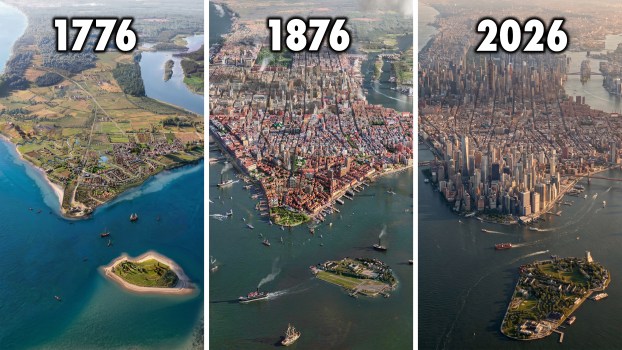
Street Grid Development vs. Population Density

This animation illustrates Manhattan’s urban development from 1801 to 2011, highlighting changes in street grid and population density. While Manhattan peaked at over 2.3 million residents in 1900, it had only 1.6 million in 2020. Improved public transportation after 1900 empowered hundreds of thousands of people to relocate from Manhattan to outer boroughs and suburbs that had more room and better quality housing supply. Manhattan today appears more visually dense and ever more populated with skyscrapers. But, ironically, about 40 percent fewer people live in Manahttan today than a century ago. Fewer people are living in larger apartments. This produces a net decline in population, even while there is a continuous growth in building sizes and heights. VIEW PUBLICATION >
The Detroit Evolution Animation

Old maps were layered and animated to reveal the scale of Detroit’s transformation from French colonial trading post, to 19th-century boom, to 20th-century decline. Cartography highlights how political policies, technological changes, and the Great Migration accelerated racial segregation and the decline of mass transit. Detroit reflects broader trends seen in American cities.

Project developed with historian Robert Fishman for an exhibit and lecture, funded by Egalitarian Metropolis grant from Mellon Foundation. VIEW PUBLICATION >

Notre-Dame of Paris Construction Sequence

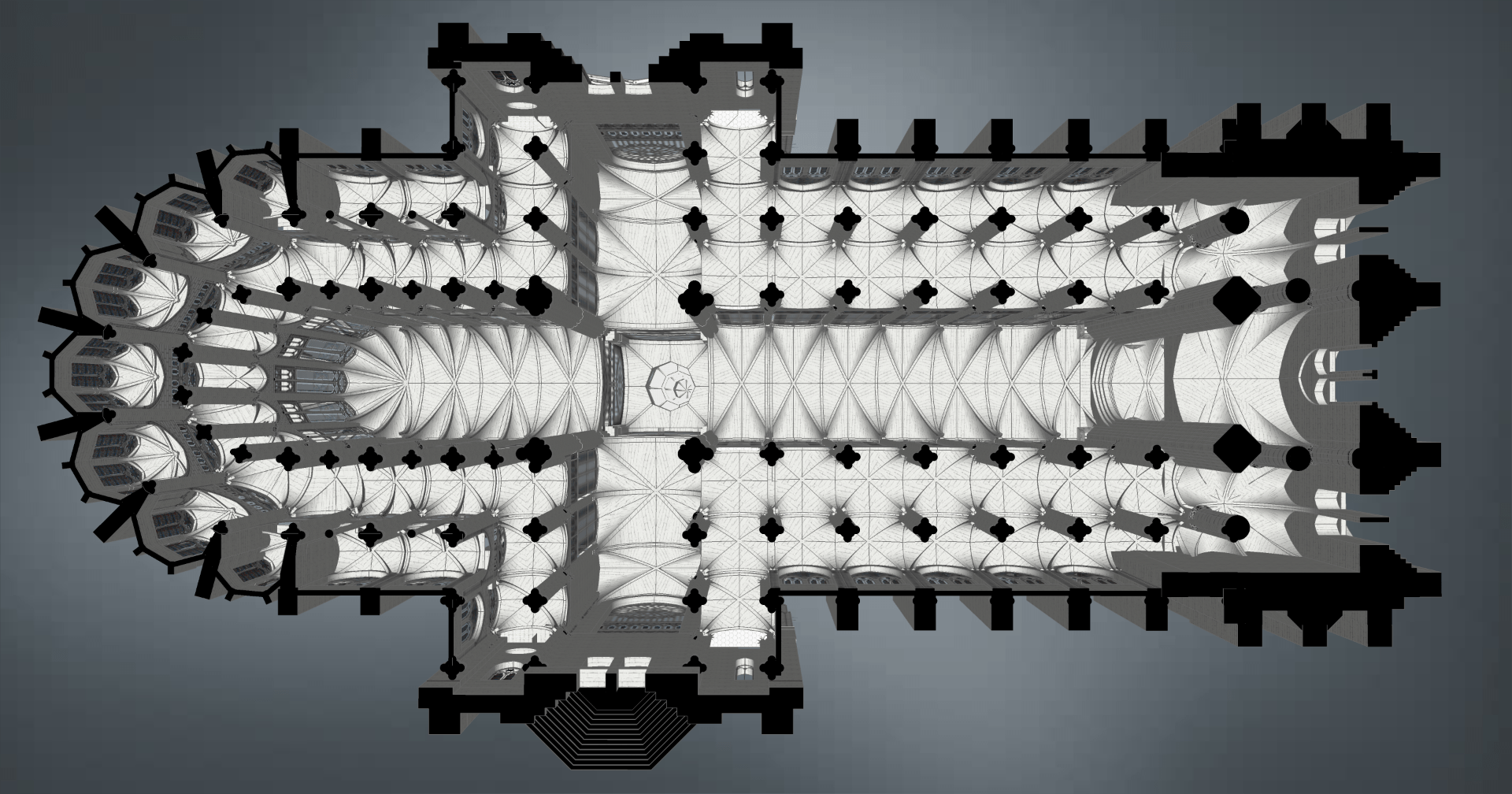
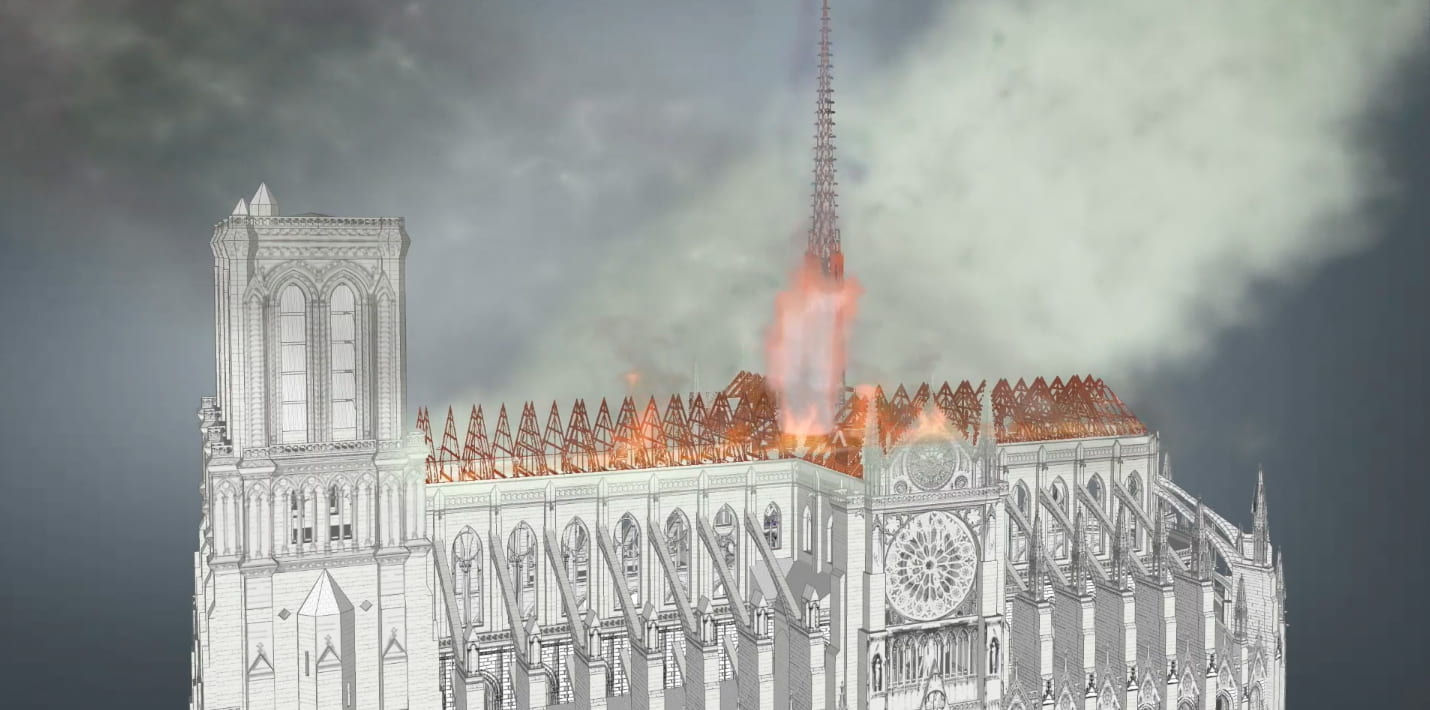
The project was created with historian Stephen Murray and syndicated by the French state, LeMonde newspaper, as well as the official website and social media channels of Notre-Dame. This time-lapse construction sequence follows the cathedral’s gradual evolution from c.1060 to the present, highlighting repeated fires, disasters, and renovation campaigns. Based on detailed site plans and peer-review from experts, the film combines handmade aesthetics with digital precision. Visitors can also explore my VR cathedral model and my video tutorials for creating similar models.

As published by Columbia University, Le Monde, and website of Notre-Dame VIEW PUBLICATION >

Homesteads to Homelots in the Garden State

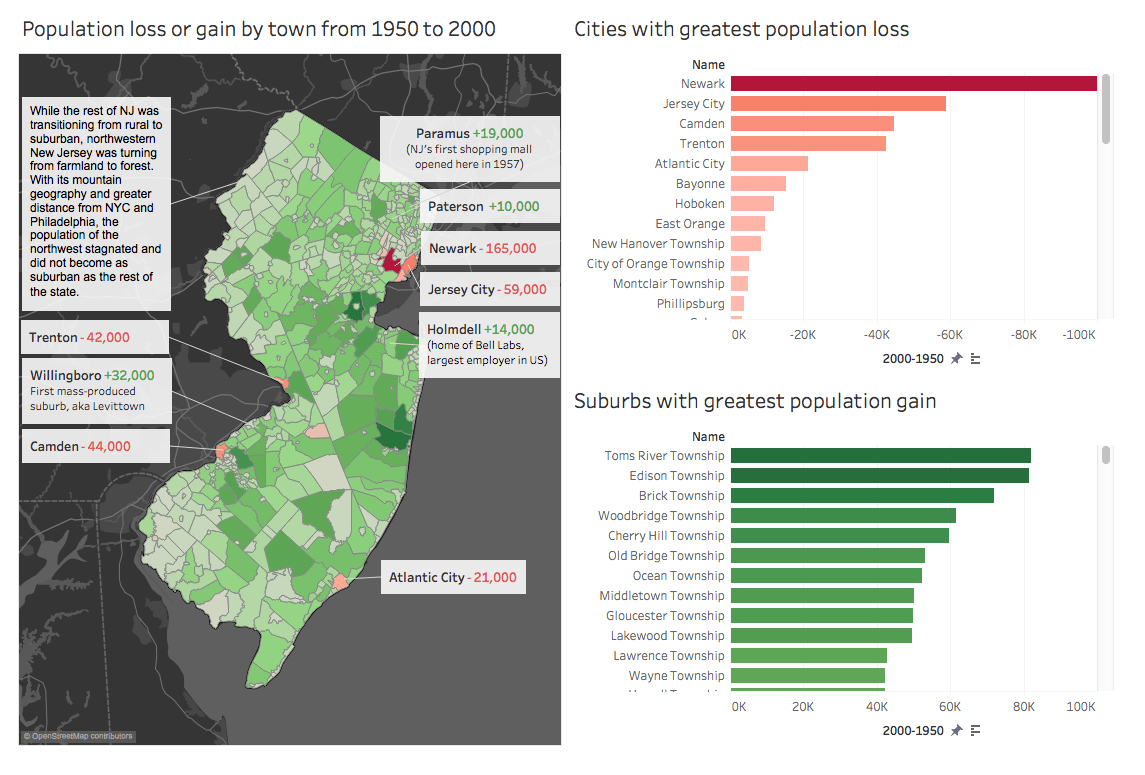
Analysis of US census data reveals spatial trends in New Jersey’s suburban sprawl from the 1920s to 2020s. NJ’s landscape evolved from an urban state in the 1920s to what is now a suburban state with diminished civic realm. This analysis uses data to explore municipal fragmentation, population density shifts, and enduring economic challenges. The state’s unique political geography causes persistently high property taxes and spatial inequality. NJ’s story reveals mirrors larger spatial patterns in American urban history. VIEW PUBLICATION >

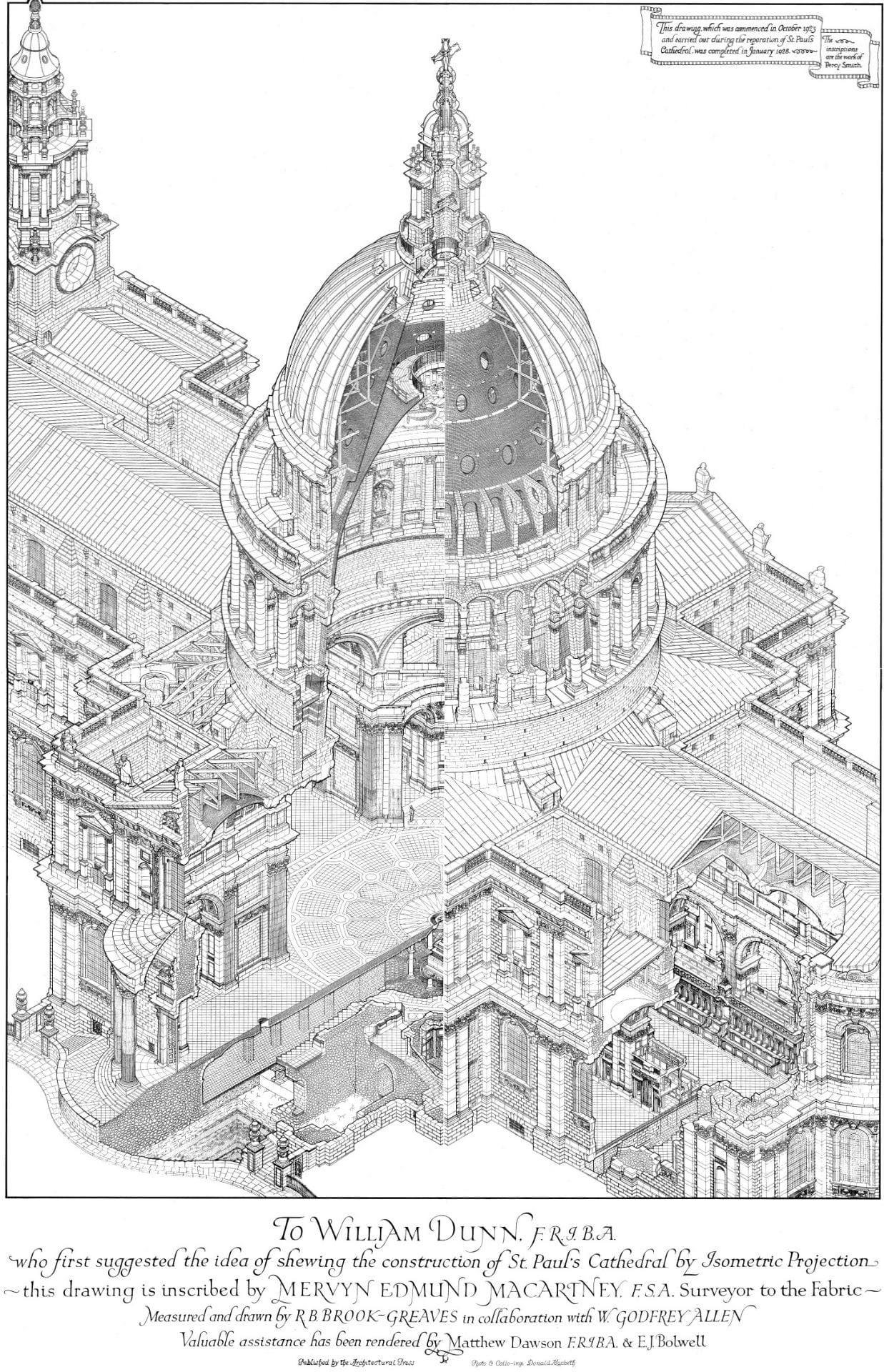
St. Paul’s Cathedral Dome: a synthesis of engineering and art

This time-lapse construction sequence in film and historical essay analyzes how architect Christopher Wren synthesized engineering and art to create this cathedral. The essay analyzes St. Paul’s Cathedral, highlighting its architectural significance through the lens of Eugène-Emmanuel Viollet-le-Duc’s thesis-antithesis-synthesis framework. St. Paul’s is a blend of advanced engineering and artistic expression reflective of Enlightenment thought, showcasing innovation in design and construction while mirroring cultural shifts in London at the time. VIEW PUBLICATION >

A Medieval Mask on a Modern Prison

This research presented at the University of Cambridge examines Eastern State Penitentiary in Philadelphia, designed by John Haviland in 1829. The study explores the strategic use of the Gothic revival style, whether to inspire fear in visitors or redemption in inmates. This essay analyzes the symbolic and cultural reasons behind the penitentiary’s fortress-like and medieval appearance. More than a purely random choice, the aesthetic qualities of Gothic reflect the beliefs and prejudices of the people who managed this prison of solitary confinement.

VIEW PUBLICATION >

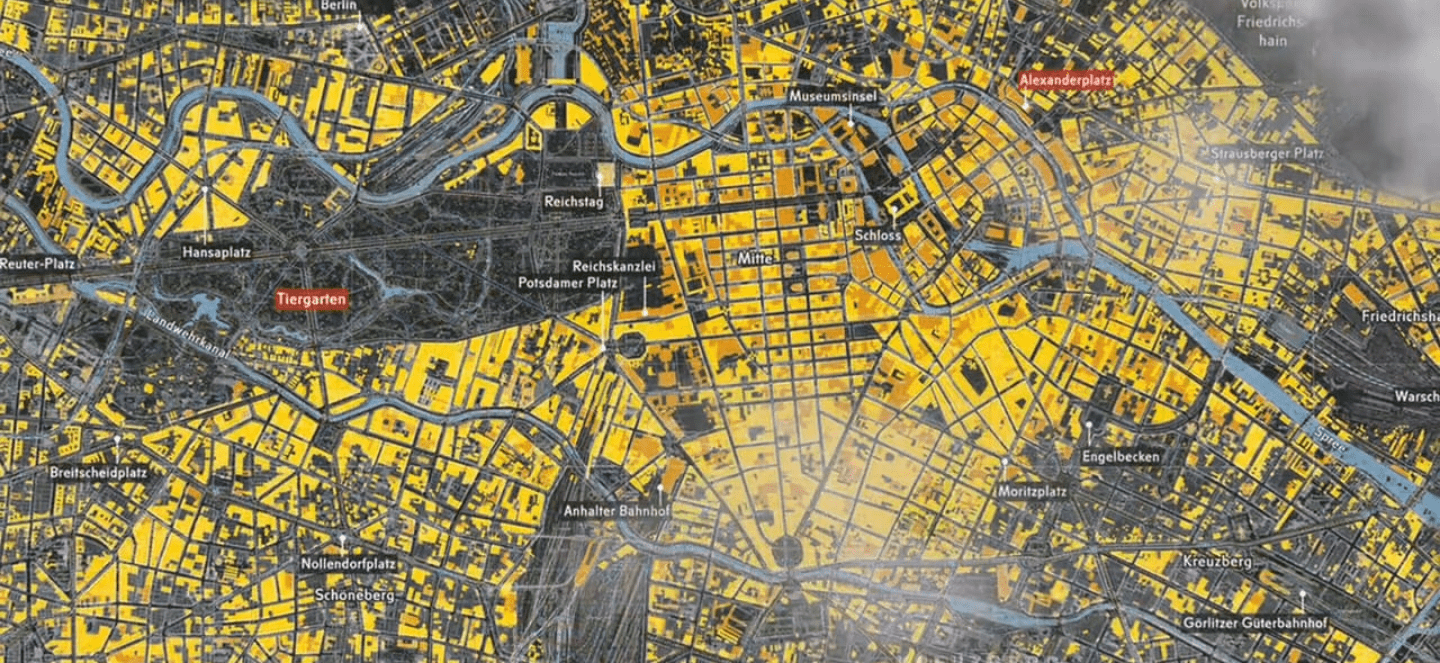
The Berlin Evolution Animation

Abstract: The Berlin Evolution Animation visualizes the development of this city’s street network and infrastructure from 1415 to the present-day, using an overlay of historic maps. The resulting short film presents a series of 17 “cartographic snapshots” of the urban area at intervals of every 30-40 years. This process highlights Berlin’s urban development over 600 years, the rapid explosion of industry and population in the nineteenth-century, followed by the destruction and violence of two world wars and then the Cold War on Berlin’s urban fabric. VIEW PUBLICATION >

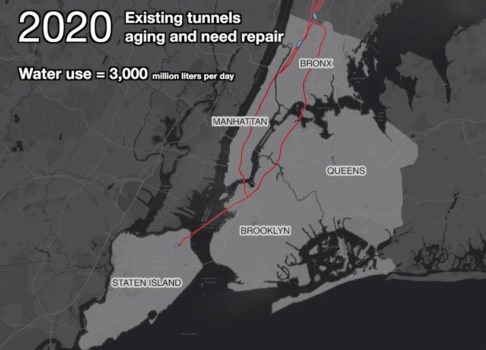
New York City Water Supply: animated history

This film uses time-lapse cartography from the 19th-century to the present to highlight the city’s ongoing struggle for clean water amidst growing urban challenges. New York City supplies unfiltered drinking water to nine million people, sourcing it from 2,000 square miles in Upstate New York through extensive aqueducts. This vital infrastructure, while integral to the city, remains largely unnoticed and buried just beneath our feet. VIEW PUBLICATION >

What’s wrong with Jeremy Bentham’s Panopticon?

This lecture given at the Department of Architecture at the University of Cambridge discusses Jeremy Bentham’s panopticon as a symbol of surveillance. I interpret this structure through Michel Foucault’s postmodernist theories. As visual evidence, I use a virtual reality computer model of the panopticon to reveal the structure’s flaws and misinterpretations. The panopticon remains relevant today as continuing inspiration for hundreds of prisons around the world, foremost among them the Eastern State Penitentiary in Philadelphia.
Listen to recording of presentation at the University of Cambridge in England. VIEW PUBLICATION >

Virtual Reality Computer Model of Jeremy Bentham’s Panopticon

My master’s thesis project at the University of Cambridge explores the architecture and power dynamics of Jeremy Bentham’s panopticon. Based on exceptionally detailed and accurate-to-the-inch measurements given in Bentham’s 18th-century letters and drawings, this project reconstructs his panopticon in virtual reality. Despite his claims of total oversight, design flaws undermine effective surveillance. The project highlights how Bentham’s vision anticipates future technologies that only now – three centuries later – fully realize his original ambitions of total control.

As published by literary magazine Aeon: A World of Ideas VIEW PUBLICATION >