Empathy in Historic Preservation | Interview with Historian Madeline Feierstein
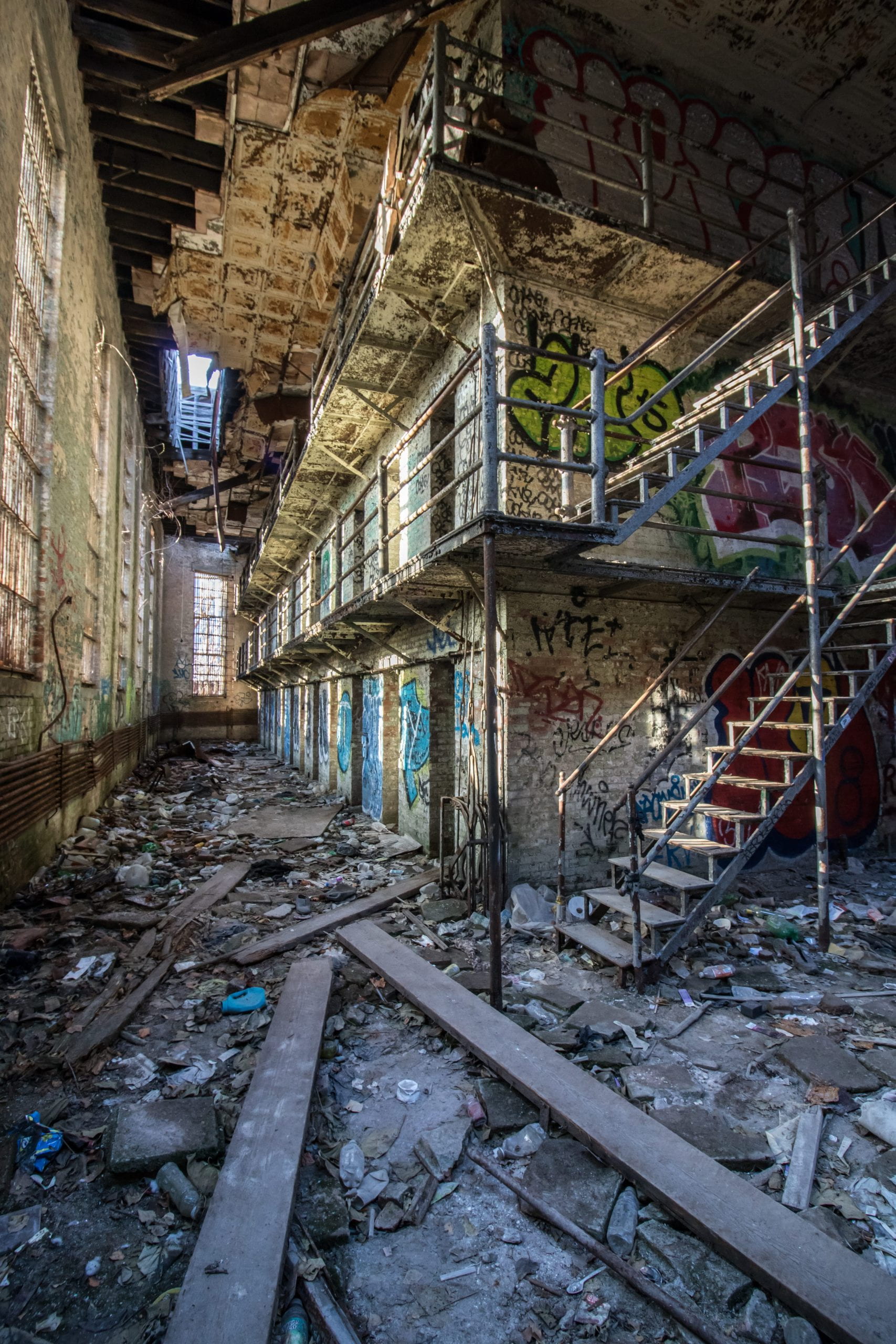
Historian Madeline Feierstein interviews Myles Zhang about his research on the old Essex County Jail in Newark, NJ. They discuss the history of psychiatric institutions and prisons, and then advocate for preserving buildings with darker histories. The preservation of dark sites empowers us to tell a more complete story about how we became a divided and polarized nation today. Myles’s research emphasizes the importance of these sites as vital pieces of American history. VIEW PUBLICATION >
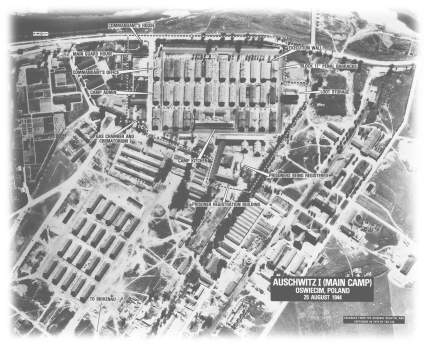

Interactive time-lapse map about construction of the Auschwitz-Birkenau concentration camp

This project utilizes georeferenced historical maps and time sliders to document the transformation of the region around the Auschwitz-Birkenau concentration camp from 1945 to today. The interactive map highlights the selective preservation, demolition, decay, or adaptive reuse of significant camp structures linked to the Holocaust. The project uses interactive time-lapse cartography to inform public understanding of the Holocaust and the landscape of tragedy it produced. VIEW PUBLICATION >

Civil Rights Rebellion in the Essex County Jail

Season 13, Episode 6 of the Abandoned Engineering series for Discovery Channel, explores the old Essex County Jail in Newark, New Jersey. After seeing my research and reading my Master’s thesis project, Discovery Channel approached me about co-creating a documentary about this jail, which was streamed in July 2024, both in the U.S. and internationally in 20 languages. Based on recorded interviews with me, this documentary commemorates those incarcerated here by highlighting the building’s historical significance and broader themes of injustice.

As published by: Discovery Channel / UK Channel 4 VIEW PUBLICATION >

Setting Up Sex Offenders for Failure

This blind peer reviewed article discusses how stringent laws for sex offenders, like Megan’s Law and residency restrictions on where sex offenders may live, inadvertently lead to higher rates of re-arrest and re-conviction. These web of laws ironically increase the crime rate and cause thousands of low-income sex offenders to be re-arrested for crimes unrelated to the abuse of minors. Focusing on New York City, this research highlights issues with the home address requirement and suggests reforms to enhance public safety more effectively than current regulations.

As published by Agora Journal of Urban Planning and Design, v.18, p.2-15 VIEW PUBLICATION >

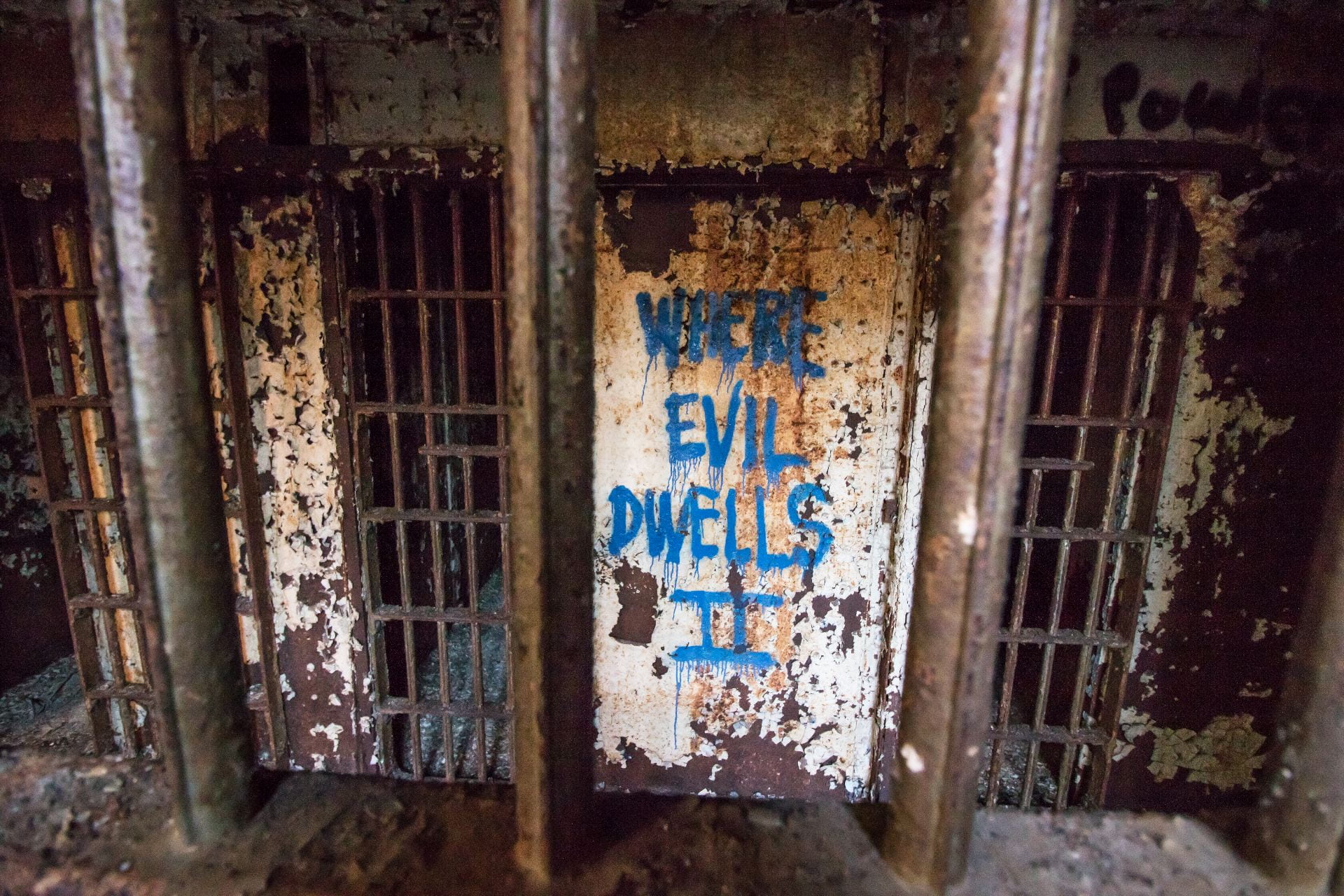
“Where Evil Dwells” at Newark’s Old Essex County Jail

This article in the winter 2021 issue The Newarker (a literary and history magazine) traces the history of the old Essex County Jail and what this carceral institution reveals about the city’s broader history. The essay chronicles the evolution of Newark, highlighting the construction of the Essex County Jail and its implications on the community. Initially built for a small population, the jail’s purpose shifted amid immigration and changing social norms. Today, its abandoned state raises enduring questions about history, crime, and incarceration’s impact on marginalized communities.

Read essay in literary magazine. VIEW PUBLICATION >

Democracy’s Prison Problem

The existence of democracy and equal rights for all paradoxically depends on denying some individuals of their equal rights, as punishment for violating the democratic society’s social contract. Democracy often perpetuates structures of punishment, raising critical questions about crime, justice, and the ongoing struggle for true democratic ideals. The humane treatment of inmates remains particularly elusive in the U.S. legal system because it is shaped by a 400-year history of slavery, rape, racism, and mass incarceration. VIEW PUBLICATION >

Architecture of Redemption?

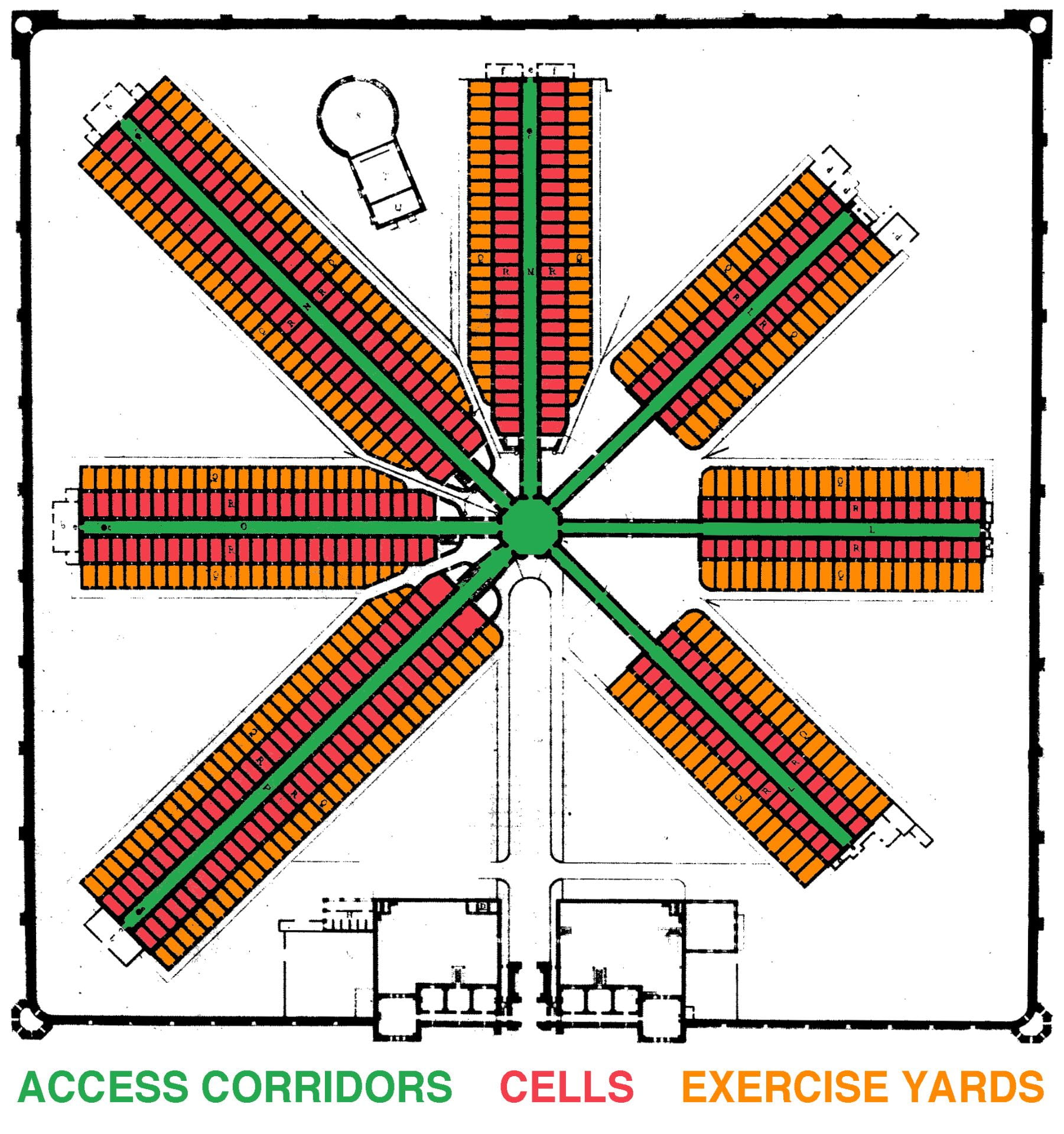
My master’s of architecture thesis at the University of Cambridge. This research explores the contradictions of solitary confinement at Eastern State Penitentiary in Philadelphia. This prison experimented with prolonged solitary confinement in the 1830s to inspire the redemption of inmates. By analyzing Jeremy Bentham’s plans for the ideal panopticon prison, architect John Haviland’s designs for this specific prison, and visitor accounts of prison’s daily operations, my thesis examines the builders’ philosophical assumptions about utopia, architecture, and human nature. VIEW PUBLICATION >

A Medieval Mask on a Modern Prison

This research presented at the University of Cambridge examines Eastern State Penitentiary in Philadelphia, designed by John Haviland in 1829. The study explores the strategic use of the Gothic revival style, whether to inspire fear in visitors or redemption in inmates. This essay analyzes the symbolic and cultural reasons behind the penitentiary’s fortress-like and medieval appearance. More than a purely random choice, the aesthetic qualities of Gothic reflect the beliefs and prejudices of the people who managed this prison of solitary confinement.

VIEW PUBLICATION >

What’s wrong with Jeremy Bentham’s Panopticon?

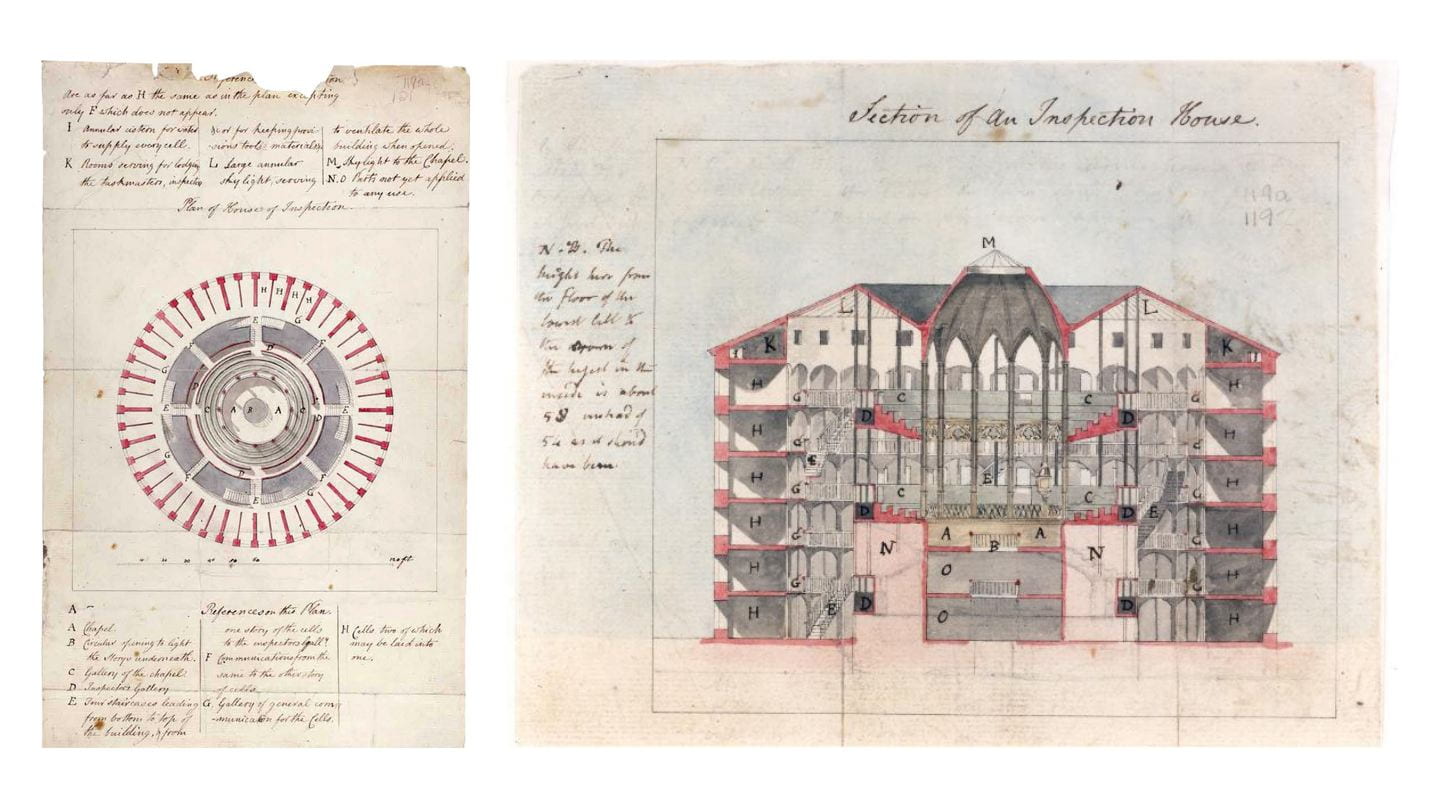
This lecture given at the Department of Architecture at the University of Cambridge discusses Jeremy Bentham’s panopticon as a symbol of surveillance. I interpret this structure through Michel Foucault’s postmodernist theories. As visual evidence, I use a virtual reality computer model of the panopticon to reveal the structure’s flaws and misinterpretations. The panopticon remains relevant today as continuing inspiration for hundreds of prisons around the world, foremost among them the Eastern State Penitentiary in Philadelphia.
Listen to recording of presentation at the University of Cambridge in England. VIEW PUBLICATION >

Virtual Reality Computer Model of Jeremy Bentham’s Panopticon

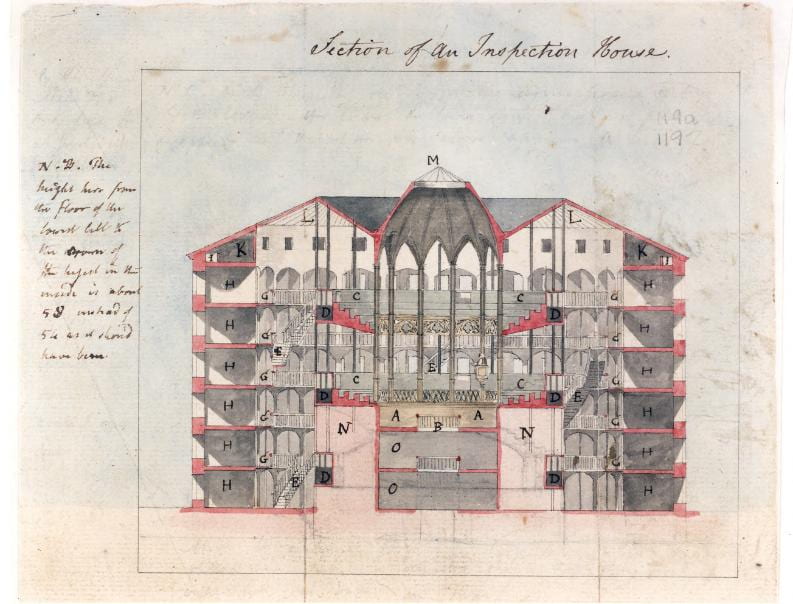
My master’s thesis project at the University of Cambridge explores the architecture and power dynamics of Jeremy Bentham’s panopticon. Based on exceptionally detailed and accurate-to-the-inch measurements given in Bentham’s 18th-century letters and drawings, this project reconstructs his panopticon in virtual reality. Despite his claims of total oversight, design flaws undermine effective surveillance. The project highlights how Bentham’s vision anticipates future technologies that only now – three centuries later – fully realize his original ambitions of total control.

As published by literary magazine Aeon: A World of Ideas VIEW PUBLICATION >

The Panopticon: a problem of definition

The panopticon is a conceptual proposal for a building developed by philosopher Jeremy Bentham in the 1790s. The panopticon claims to be an architectural model of surveillance for institutions that include prisons, hospitals, workhouses, factories, and schools. While Bentham envisioned it as an all-seeing design, practical implementations, such as the Eastern State Penitentiary, reveal significant design flaws that hinder its efficacy. Modern interpretations, in turn, link the panopticon to contemporary surveillance and the operations of the internet. VIEW PUBLICATION >

Exhibition Design for the Old Essex County Jail

Developed in collaboration with Newark Landmarks and the master’s program in historic preservation at Columbia University’s Graduate School of Architecture, Planning, and Preservation. The abandoned old Essex County Jail in Newark was built in 1837 and is now listed on the National Register of Historic Places. This project transformed revitalization proposals by Columbia University’s historic preservation students into an exhibit and website. The exhibit highlight this jail’s social history and aimed to foster discussion on incarceration and urban regeneration.

As published by Columbia University GSAPP. Visit: OldEssexCountyJail.org VIEW PUBLICATION >