The Slave Trader Turned Banker: Slavery and the Origins of a Modern Bank

Essay written for a class on Law and Slavery at University of Michigan Law School: Thomas Leyland, a Liverpool merchant, profited immensely from the slave trade in the 18th century, managing numerous voyages that transported over 22,000 captives. This essay analyzes the relationship between his financial success and the brutal human cost of his operations. His business acumen laid the groundwork and contributed significant funds to what is now the Hong Kong Shanghai Bank of China. VIEW PUBLICATION >
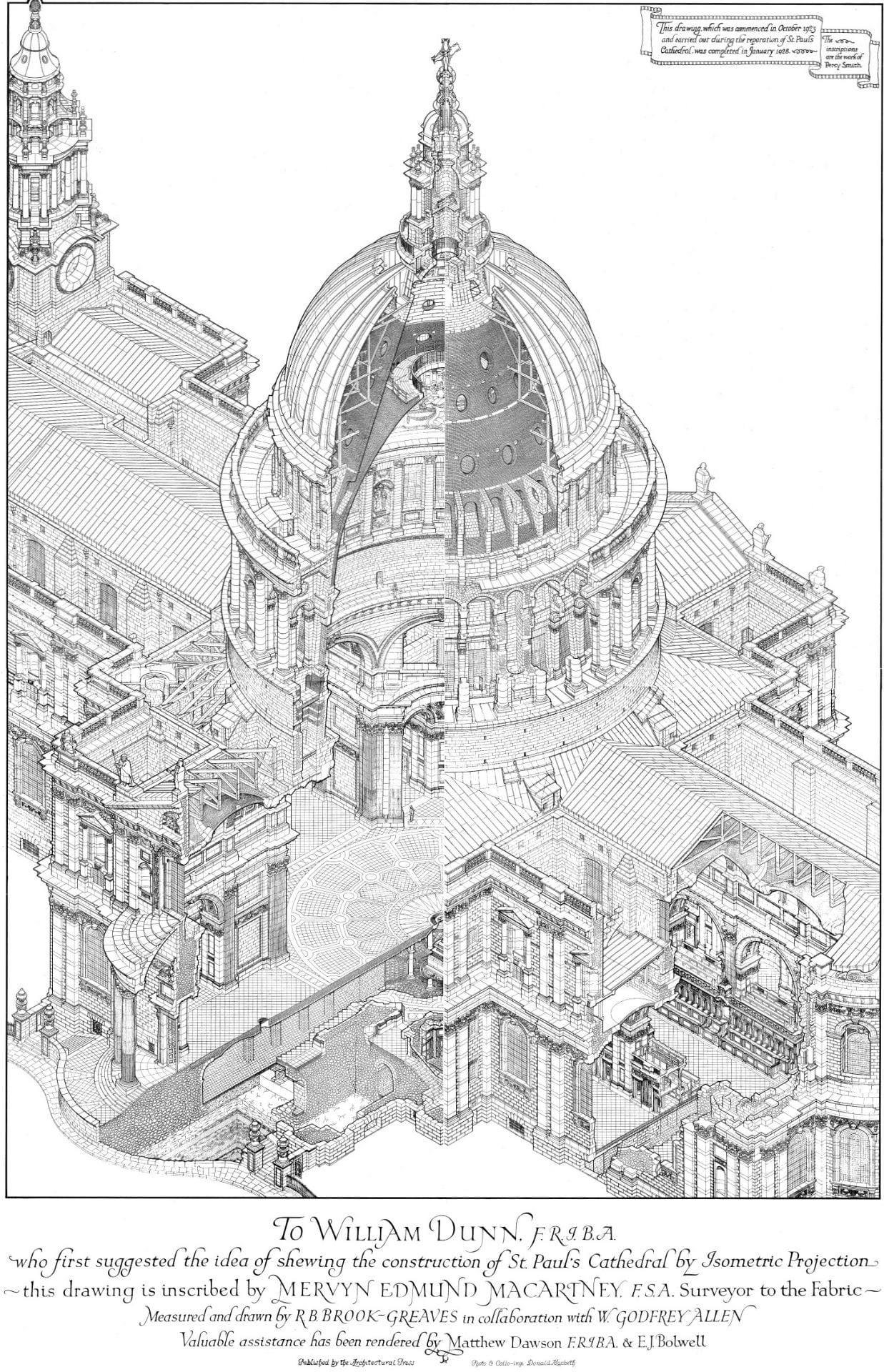
St. Paul’s Cathedral Dome: a synthesis of engineering and art

This time-lapse construction sequence in film and historical essay analyzes how architect Christopher Wren synthesized engineering and art to create this cathedral. The essay analyzes St. Paul’s Cathedral, highlighting its architectural significance through the lens of Eugène-Emmanuel Viollet-le-Duc’s thesis-antithesis-synthesis framework. St. Paul’s is a blend of advanced engineering and artistic expression reflective of Enlightenment thought, showcasing innovation in design and construction while mirroring cultural shifts in London at the time. VIEW PUBLICATION >

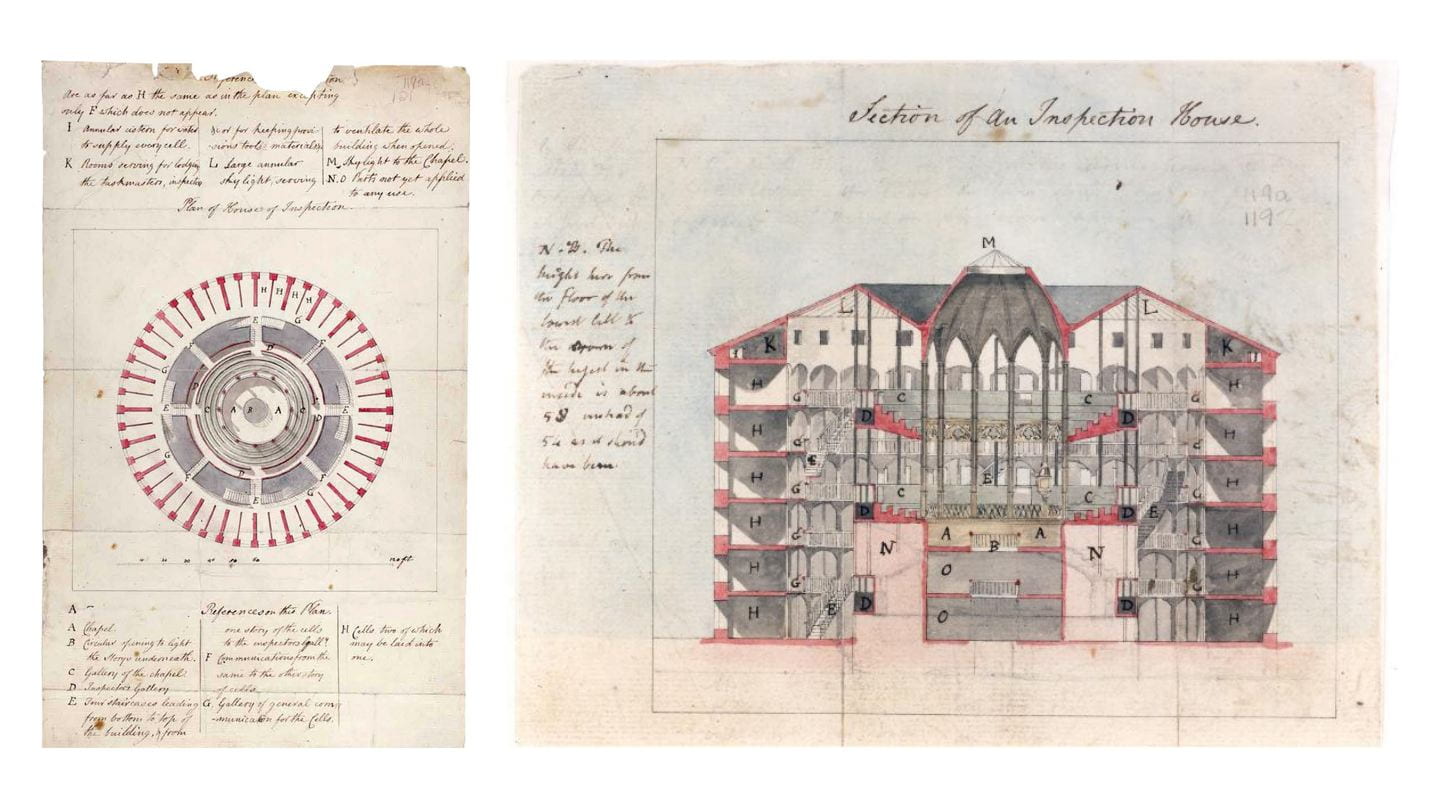
What’s wrong with Jeremy Bentham’s Panopticon?

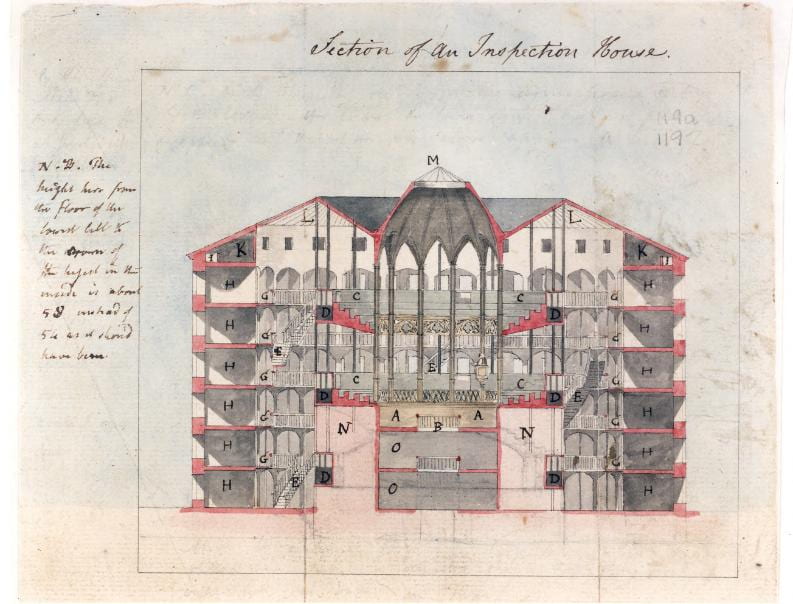
This lecture given at the Department of Architecture at the University of Cambridge discusses Jeremy Bentham’s panopticon as a symbol of surveillance. I interpret this structure through Michel Foucault’s postmodernist theories. As visual evidence, I use a virtual reality computer model of the panopticon to reveal the structure’s flaws and misinterpretations. The panopticon remains relevant today as continuing inspiration for hundreds of prisons around the world, foremost among them the Eastern State Penitentiary in Philadelphia.
Listen to recording of presentation at the University of Cambridge in England. VIEW PUBLICATION >

Virtual Reality Computer Model of Jeremy Bentham’s Panopticon

My master’s thesis project at the University of Cambridge explores the architecture and power dynamics of Jeremy Bentham’s panopticon. Based on exceptionally detailed and accurate-to-the-inch measurements given in Bentham’s 18th-century letters and drawings, this project reconstructs his panopticon in virtual reality. Despite his claims of total oversight, design flaws undermine effective surveillance. The project highlights how Bentham’s vision anticipates future technologies that only now – three centuries later – fully realize his original ambitions of total control.

As published by literary magazine Aeon: A World of Ideas VIEW PUBLICATION >

24 Hours in the London Underground

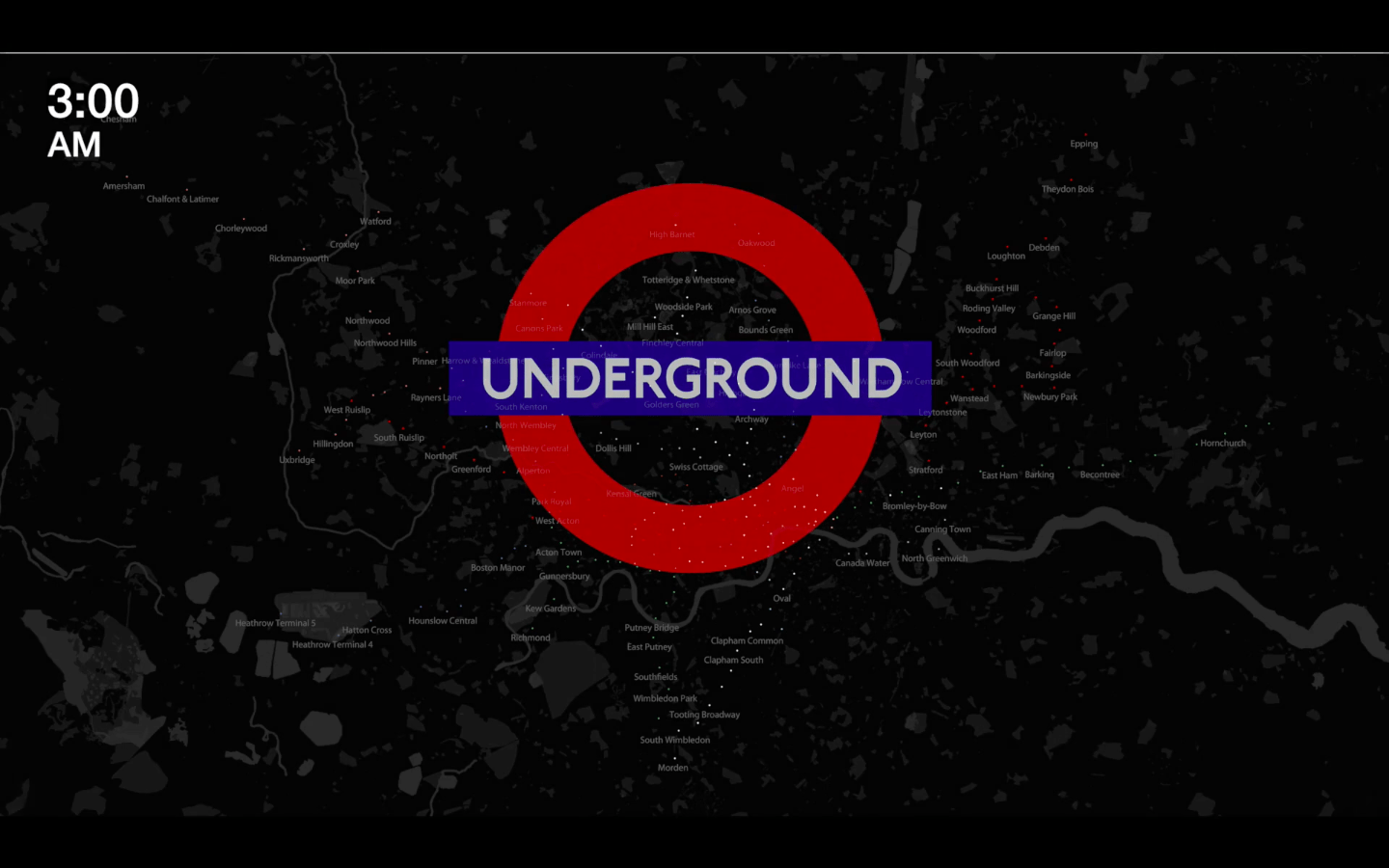
This animation visualizes London Underground commuting patterns using 25,440 data points from 265 stations over two weeks in 2010. Pulsating colored dots represent busy and less busy stations, while audio volume syncs with ridership density. The project draws analogies between urban movement and human physiology, highlighting the city as a complex web of nerve endings, cellular units, organs, and the pulsating blood vessels of mass-transit lines. VIEW PUBLICATION >

Burford Church Construction Sequence: 1175-1475

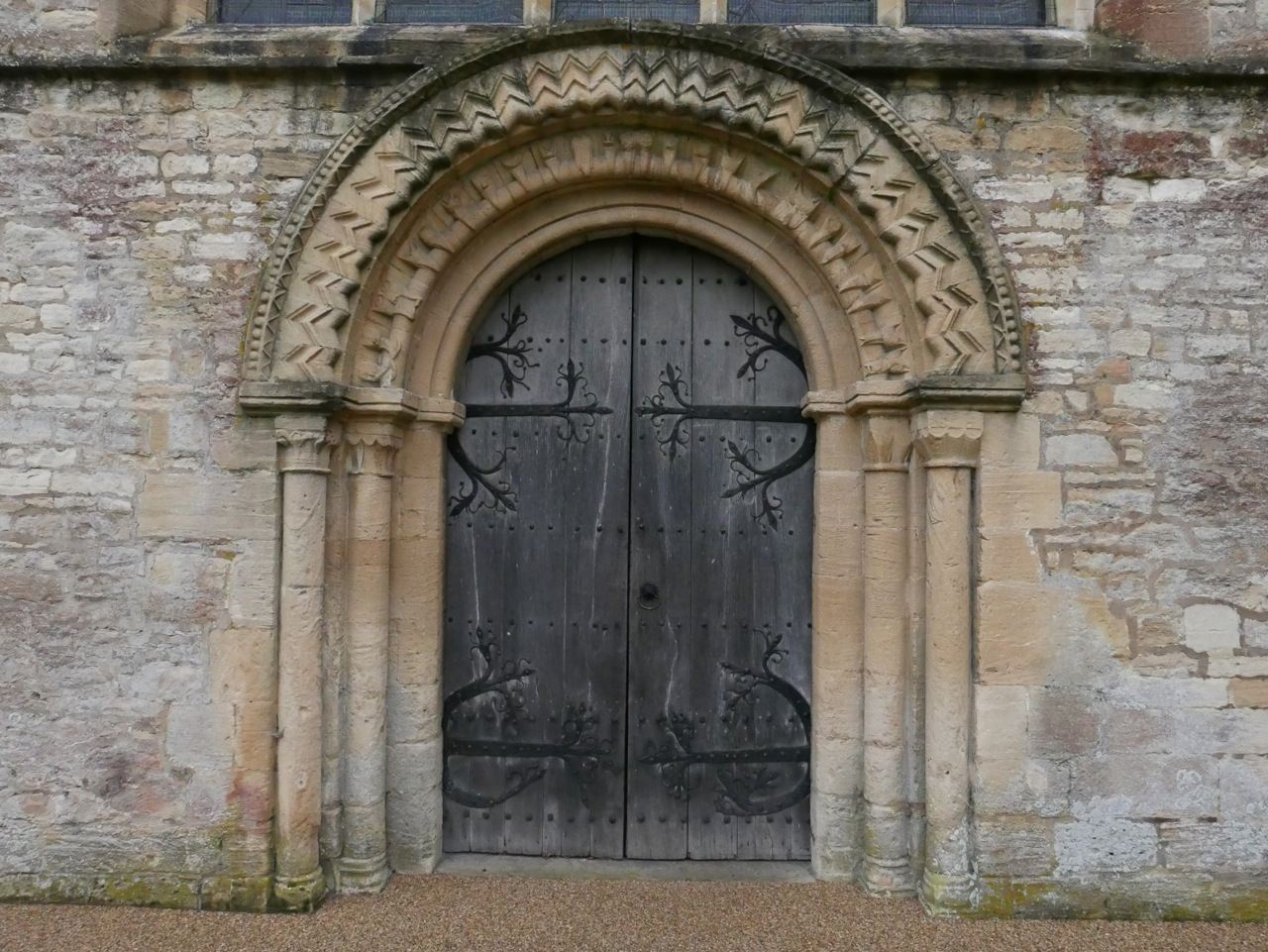
This time-lapse film about an English parish church visualizes the structure’s construction, gradual demolition, and expansion from 1175 to 1475. Created with Dr. Cathy Oakes while I was an undergraduate studying art history at the University of Oxford. VIEW PUBLICATION >