A Medieval Mask on a Modern Prison

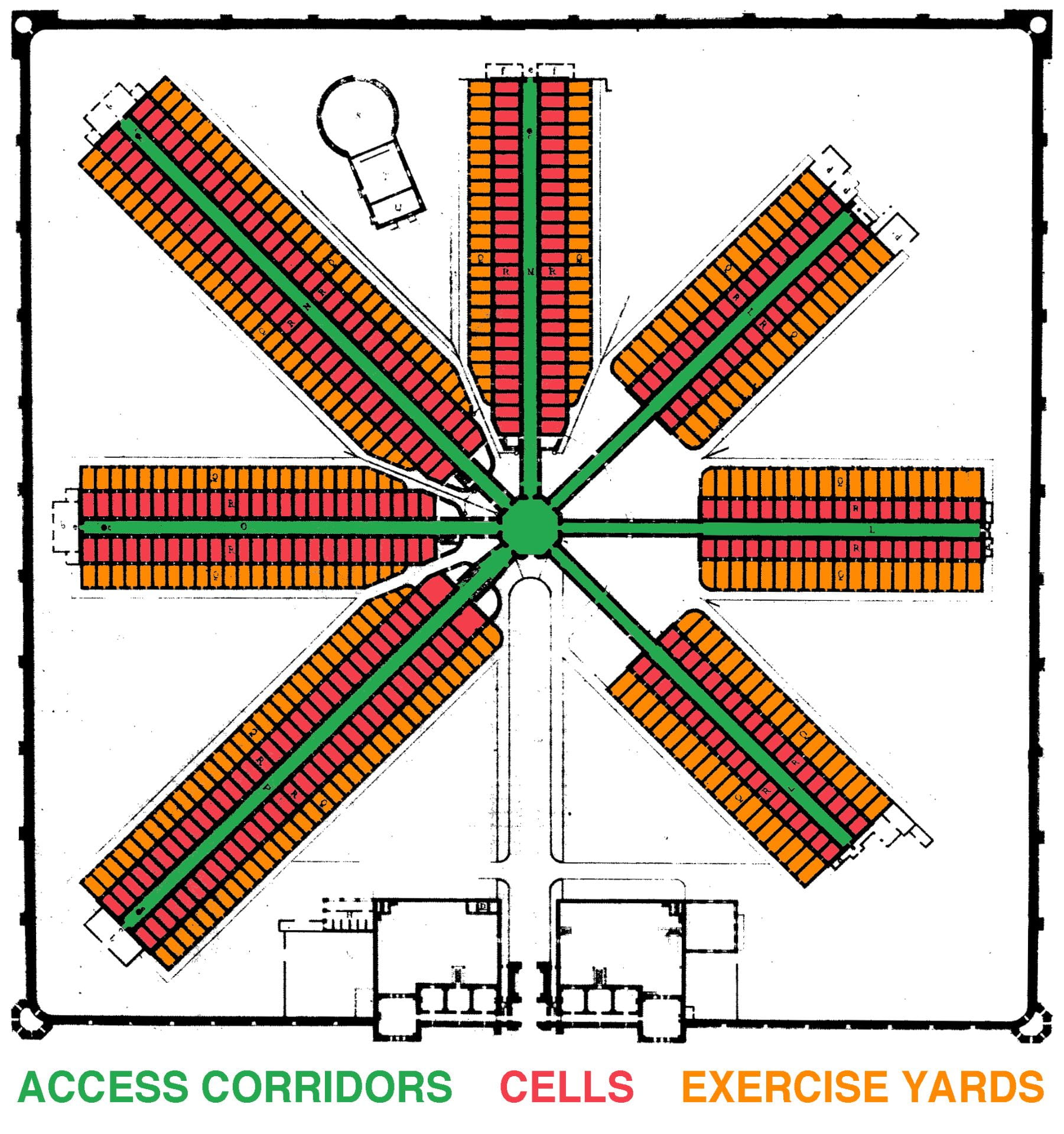
This research presented at the University of Cambridge examines Eastern State Penitentiary in Philadelphia, designed by John Haviland in 1829. The study explores the strategic use of the Gothic revival style, whether to inspire fear in visitors or redemption in inmates. This essay analyzes the symbolic and cultural reasons behind the penitentiary’s fortress-like and medieval appearance. More than a purely random choice, the aesthetic qualities of Gothic reflect the beliefs and prejudices of the people who managed this prison of solitary confinement.

VIEW PUBLICATION >
The Berlin Evolution Animation

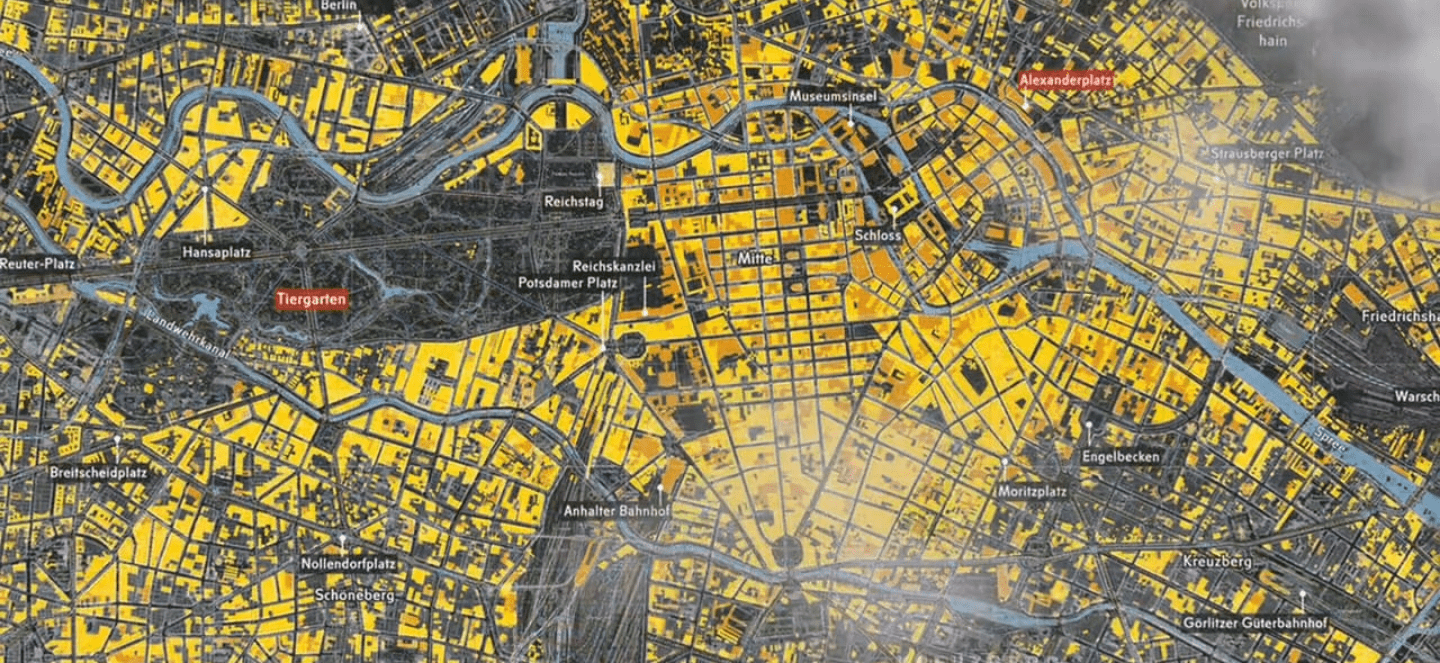
Abstract: The Berlin Evolution Animation visualizes the development of this city’s street network and infrastructure from 1415 to the present-day, using an overlay of historic maps. The resulting short film presents a series of 17 “cartographic snapshots” of the urban area at intervals of every 30-40 years. This process highlights Berlin’s urban development over 600 years, the rapid explosion of industry and population in the nineteenth-century, followed by the destruction and violence of two world wars and then the Cold War on Berlin’s urban fabric. VIEW PUBLICATION >

New York City Water Supply: animated history

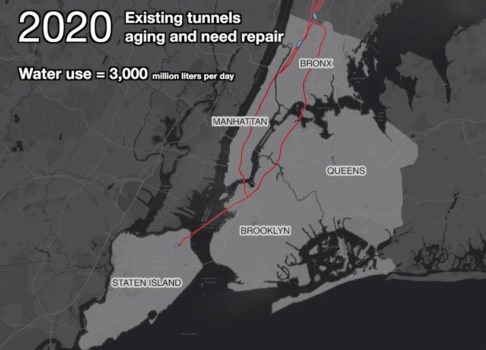
This film uses time-lapse cartography from the 19th-century to the present to highlight the city’s ongoing struggle for clean water amidst growing urban challenges. New York City supplies unfiltered drinking water to nine million people, sourcing it from 2,000 square miles in Upstate New York through extensive aqueducts. This vital infrastructure, while integral to the city, remains largely unnoticed and buried just beneath our feet. VIEW PUBLICATION >
What’s wrong with Jeremy Bentham’s Panopticon?

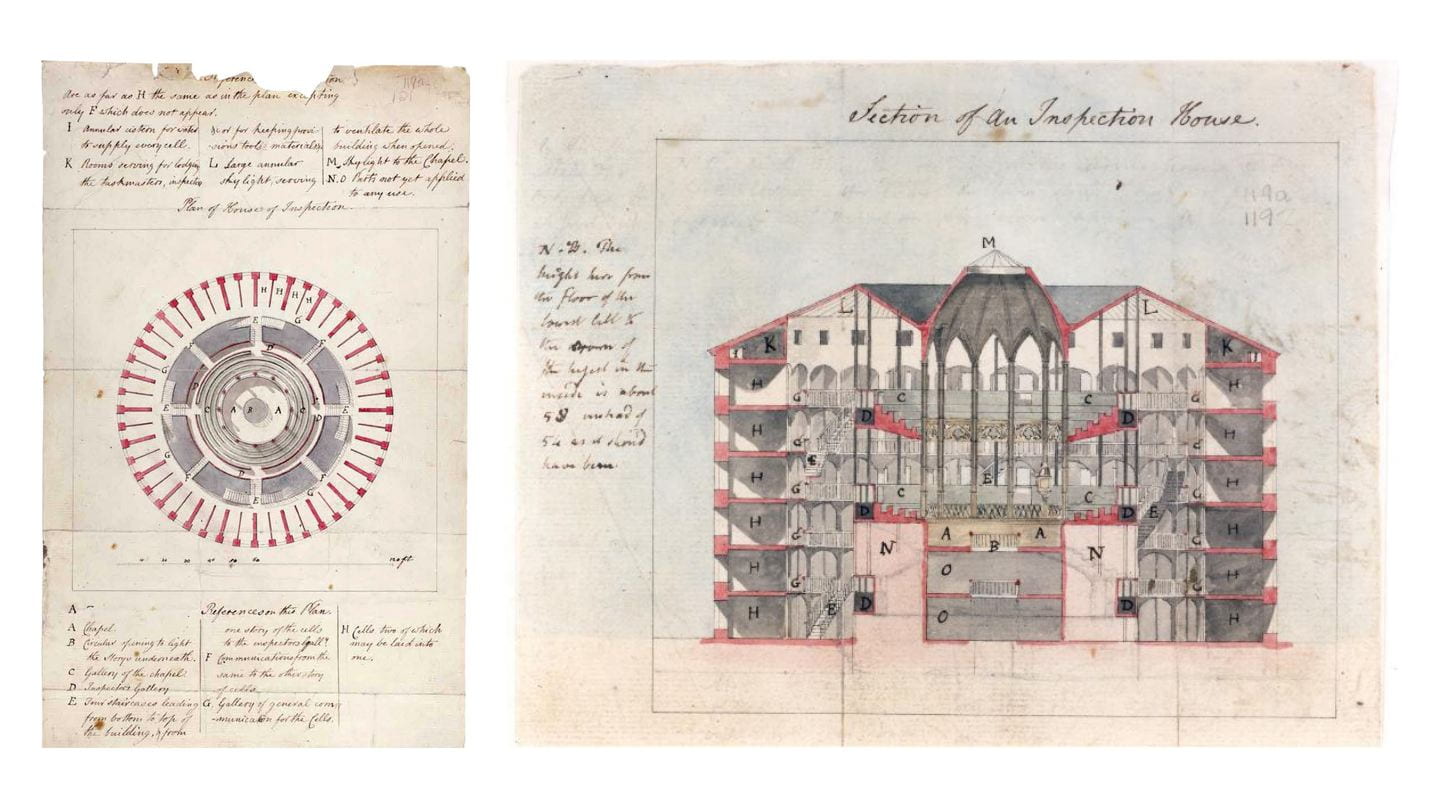
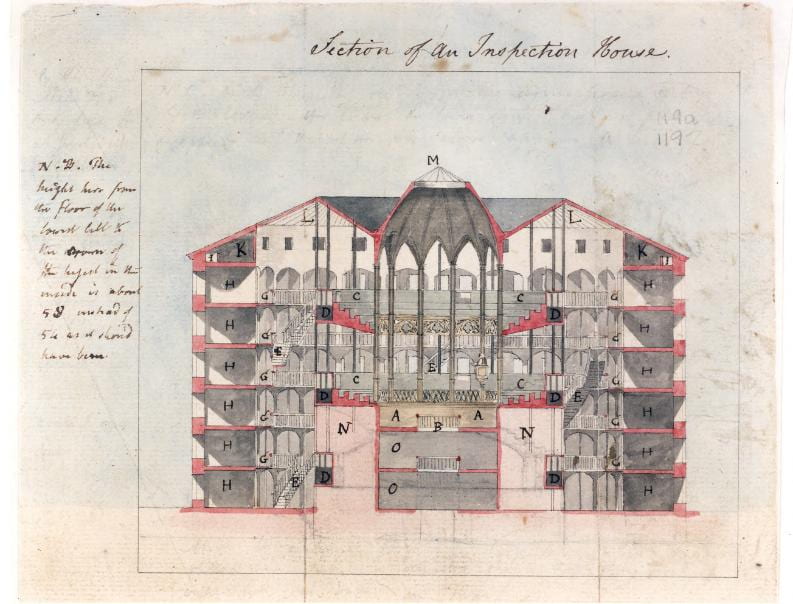
This lecture given at the Department of Architecture at the University of Cambridge discusses Jeremy Bentham’s panopticon as a symbol of surveillance. I interpret this structure through Michel Foucault’s postmodernist theories. As visual evidence, I use a virtual reality computer model of the panopticon to reveal the structure’s flaws and misinterpretations. The panopticon remains relevant today as continuing inspiration for hundreds of prisons around the world, foremost among them the Eastern State Penitentiary in Philadelphia.
Listen to recording of presentation at the University of Cambridge in England. VIEW PUBLICATION >
Virtual Reality Computer Model of Jeremy Bentham’s Panopticon

My master’s thesis project at the University of Cambridge explores the architecture and power dynamics of Jeremy Bentham’s panopticon. Based on exceptionally detailed and accurate-to-the-inch measurements given in Bentham’s 18th-century letters and drawings, this project reconstructs his panopticon in virtual reality. Despite his claims of total oversight, design flaws undermine effective surveillance. The project highlights how Bentham’s vision anticipates future technologies that only now – three centuries later – fully realize his original ambitions of total control.

As published by literary magazine Aeon: A World of Ideas VIEW PUBLICATION >
Link Newark Art Project

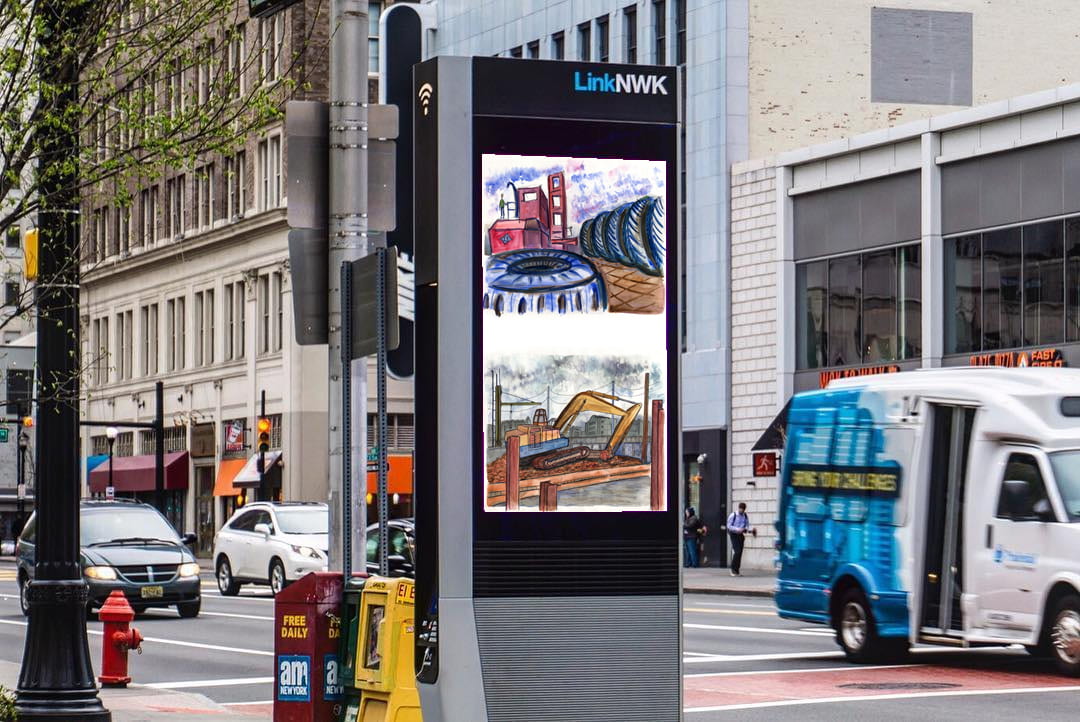
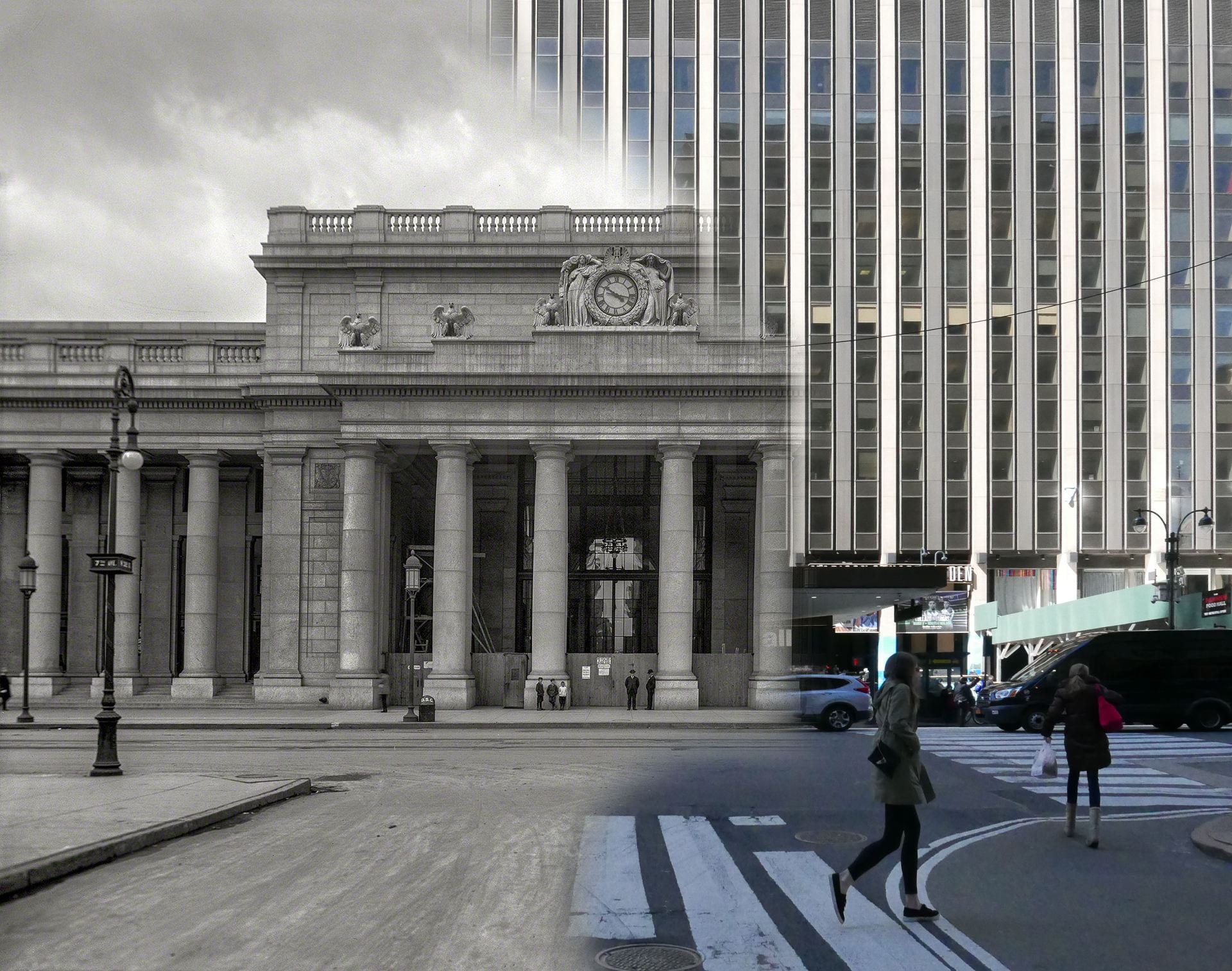
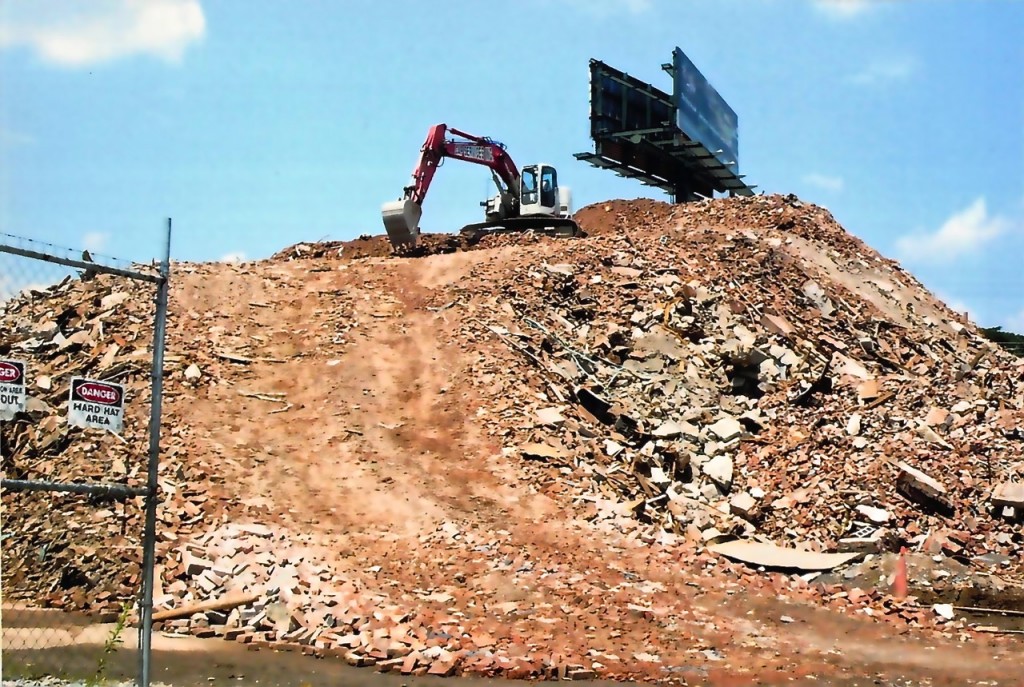
In fall 2019, LinkNWK, the company that manages free wifi hotspots and advertising screens in downtown Newark, invited me to display my artwork on their kiosks. I selected several dozen of my artworks and images that document the demolition of historic neighborhoods and the demolition of community spaces. VIEW PUBLICATION >
The Panopticon: a problem of definition

The panopticon is a conceptual proposal for a building developed by philosopher Jeremy Bentham in the 1790s. The panopticon claims to be an architectural model of surveillance for institutions that include prisons, hospitals, workhouses, factories, and schools. While Bentham envisioned it as an all-seeing design, practical implementations, such as the Eastern State Penitentiary, reveal significant design flaws that hinder its efficacy. Modern interpretations, in turn, link the panopticon to contemporary surveillance and the operations of the internet. VIEW PUBLICATION >
New York City in a Box

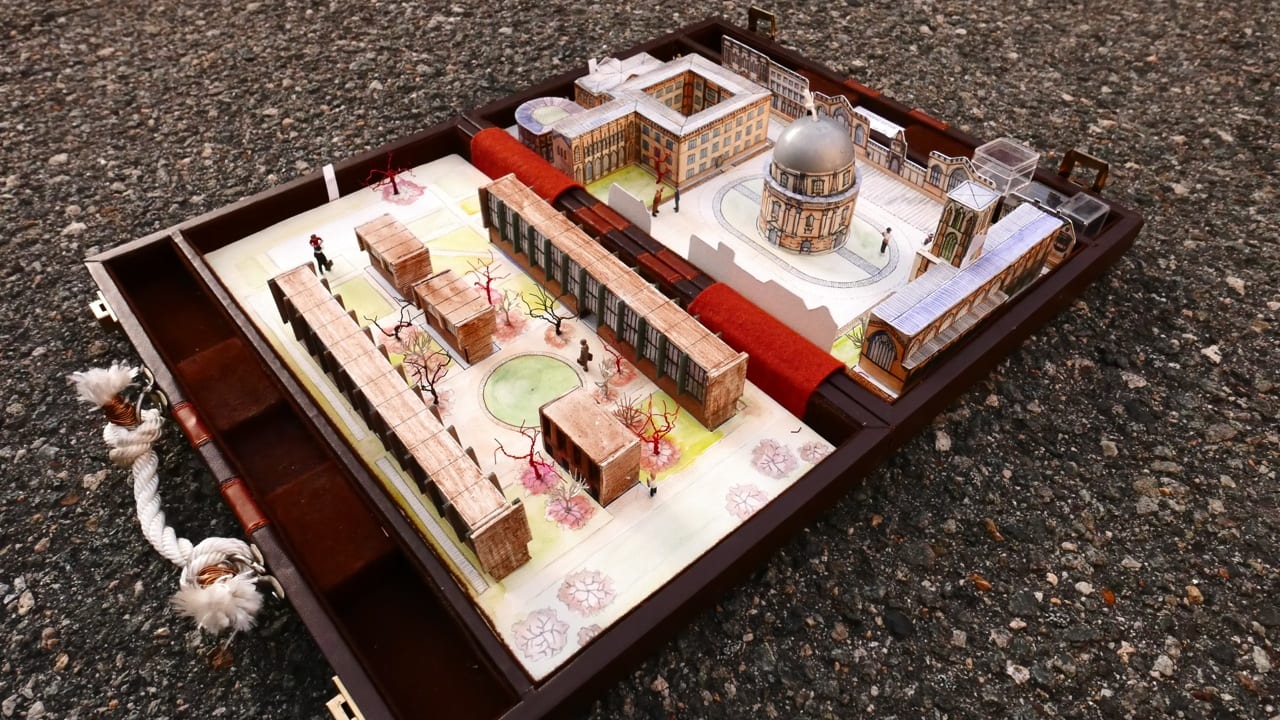
Inspired by the Stettheimer Dollhouse at the Museum of the City of New York, I created this pop-up model of New York City in a box. Measuring 8.0 by 15.5 by 2.5 inches (20 by 40 by 6 cm), this paper craft model showcases 30 hand-cut paper and tin buildings. A hand-cranked mechanism moves magnetized trains and airplanes through a hand-painted and imaginary landscape of New York City streets and neighborhoods. VIEW PUBLICATION >
New York: subway city of immigrants

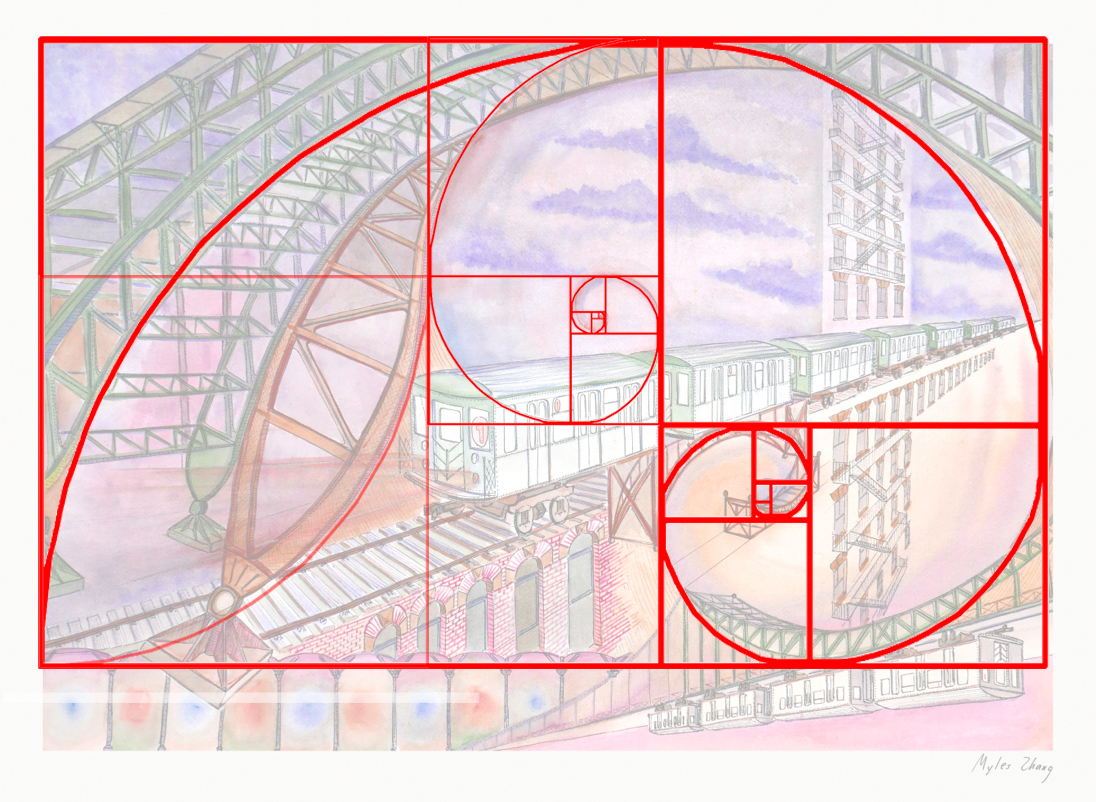
As northbound Broadway dips down to the valley of 125th Street, the subway soars over the street. The subway viaduct is a jumble of steel slicing through the orthogonal city grid. The 125th Street viaduct is a massive arch, 250 feet from end to end, two hundred tons of mass channeled into four concrete pylons, resting on the solid bedrock of Manhattan schist. The subway is the intersection, where the underground and aboveground worlds of New York City converge. VIEW PUBLICATION >

California Waterscape: time-lapse history of water supply

This time-lapse film visualizes the evolution of this state’s water delivery infrastructure from 1913 to 2019 through geo-referenced data on aqueducts, reservoir capacities, and land use. The animated film showcases population growth, urbanization, and agricultural demands, presenting cartographic snapshots that reflect the state’s increasing water needs over the decades. VIEW PUBLICATION >
Manufacturing the Picturesque at Central Park

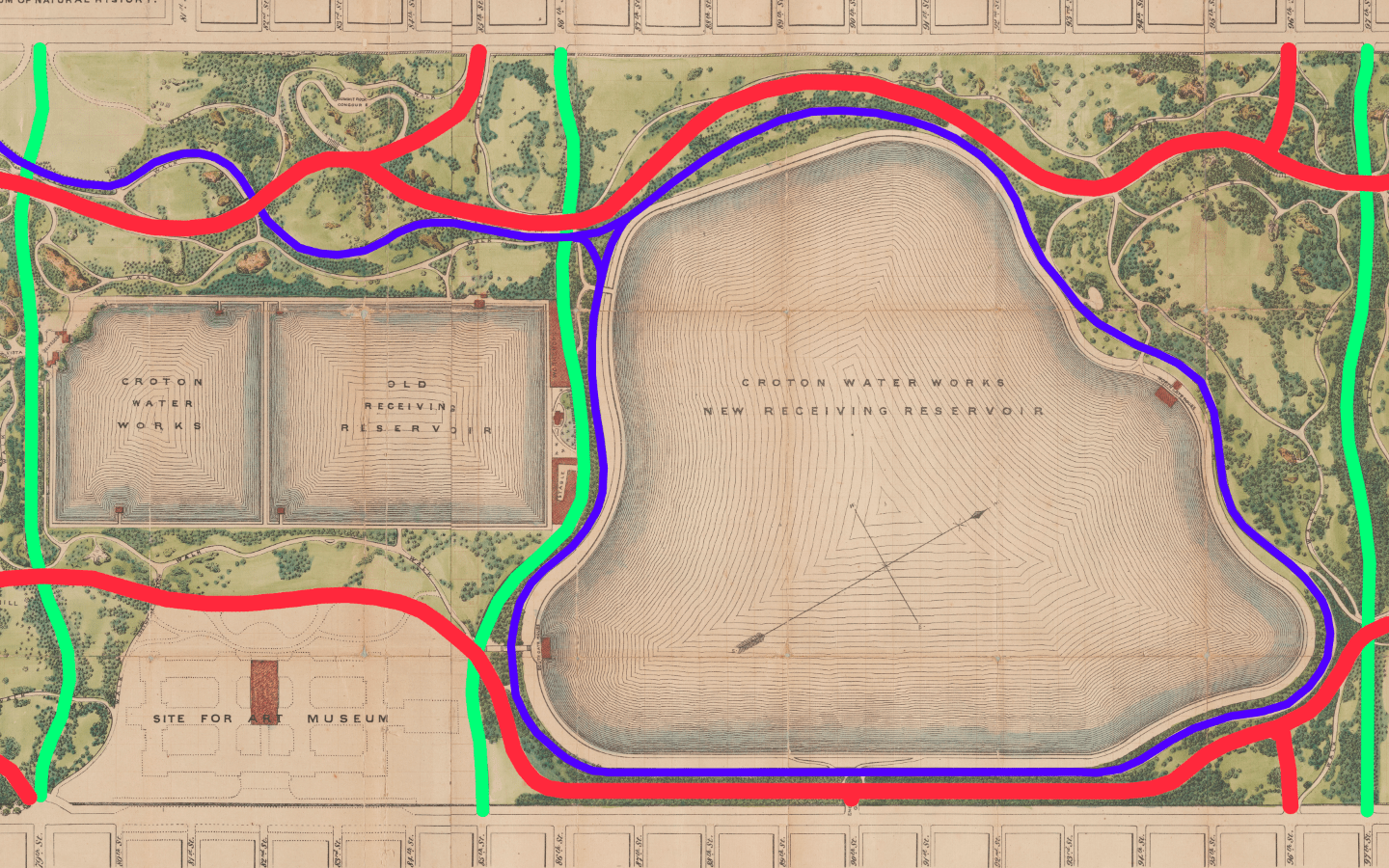
Central Park, designed by Frederick Law Olmsted and Calvert Vaux in the 1850s, represents the tension between natural and manmade landscapes. Intended to offer an escape from urban life, its construction required extensive engineering and planning while masking the degree to which its landscape was artificial. The park’s design reflects real estate interests, infrastructure needs, and the divisions of social class in 19th-century New York. VIEW PUBLICATION >

Here Grows New York City

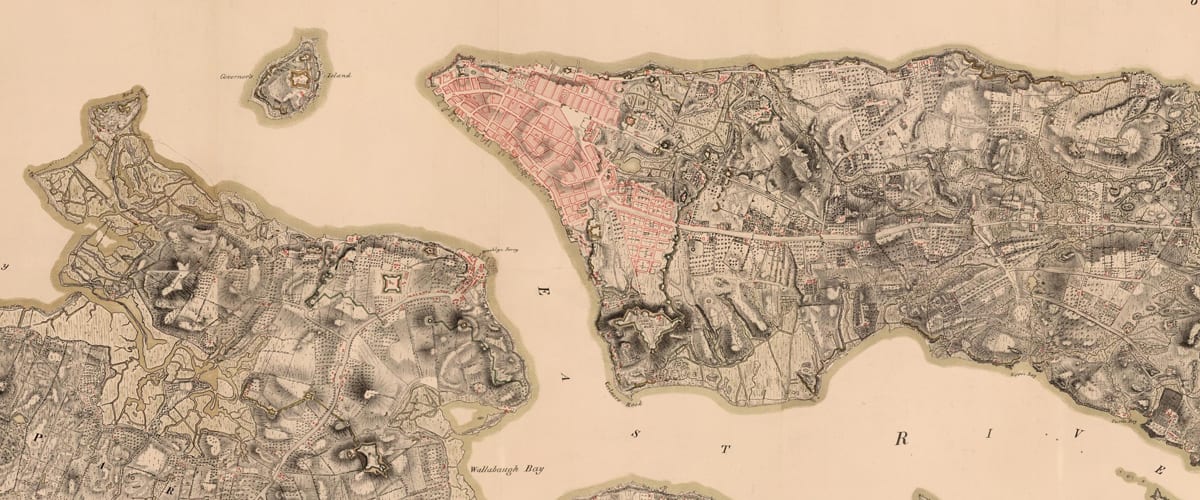
Here Grows New York is an American urban planning film directed by Myles Zhang and advised by urban historians Kenneth T. Jackson and Gergely Baics. The data visualization uses time-lapse cartography to follow the history of New York City’s infrastructure and street system development from 1609 to the present day. The video quickly went viral, gaining over five million views. The film is used in dozens of architecture and urban planning classes about the history of the urban form. VIEW PUBLICATION >

Exhibition Design for the Old Essex County Jail

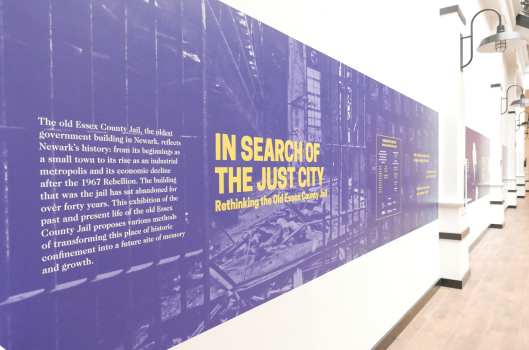
Developed in collaboration with Newark Landmarks and the master’s program in historic preservation at Columbia University’s Graduate School of Architecture, Planning, and Preservation. The abandoned old Essex County Jail in Newark was built in 1837 and is now listed on the National Register of Historic Places. This project transformed revitalization proposals by Columbia University’s historic preservation students into an exhibit and website. The exhibit highlight this jail’s social history and aimed to foster discussion on incarceration and urban regeneration.

As published by Columbia University GSAPP. Visit: OldEssexCountyJail.org VIEW PUBLICATION >

Architecture of Exclusion in Manhattan Chinatown

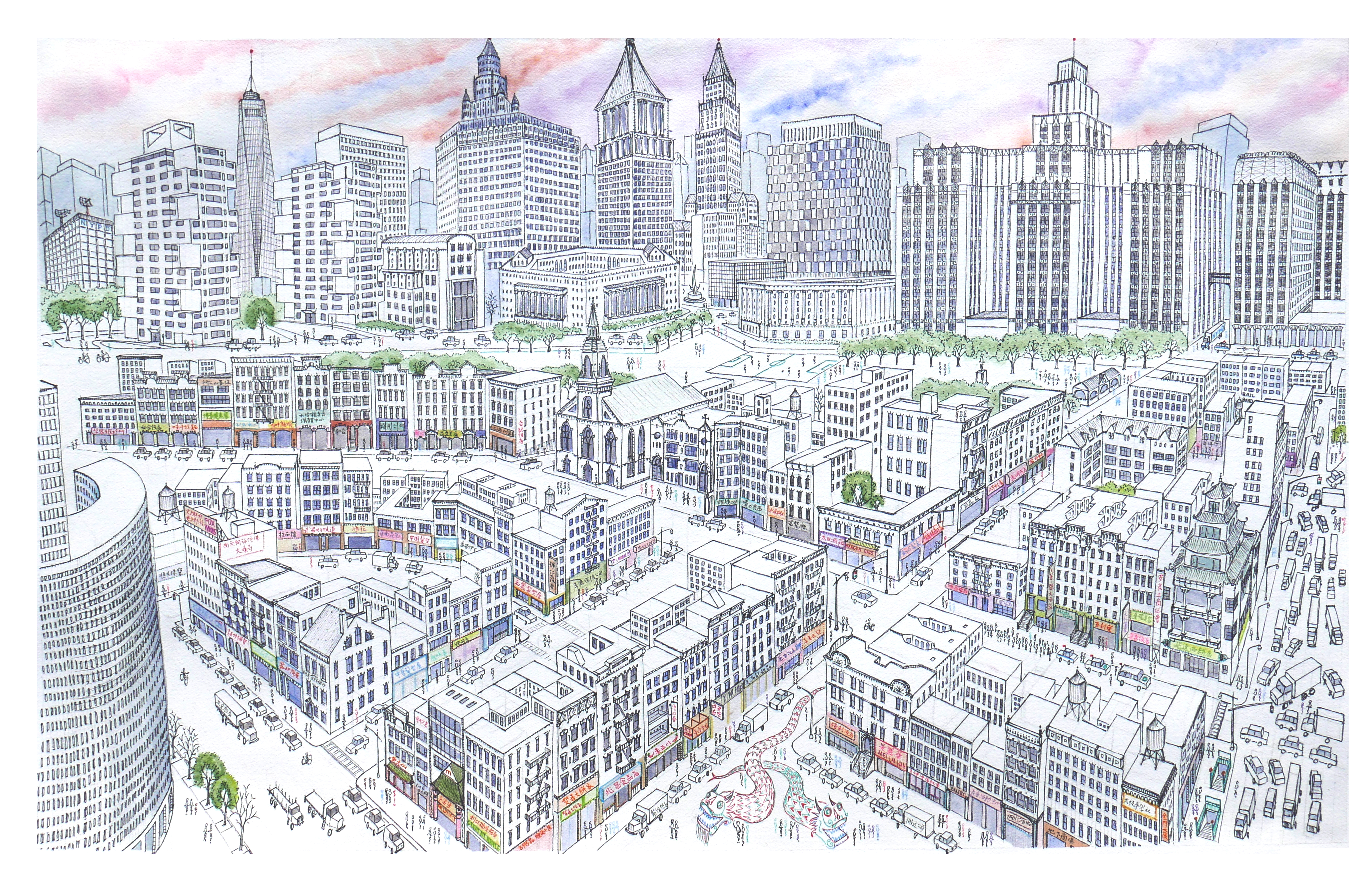
This essay discusses the historical and contemporary challenges faced by the Chinese community in Manhattan’s Chinatown, highlighting the impact of the 1882 Chinese Exclusion Act and ongoing discrimination against immigrants and working-class communities. Despite systemic barriers, the community shows resilience and maintains cultural identity amidst gentrification and urban development. VIEW PUBLICATION >

The Origins of Gothic at the Church of Saint-Denis

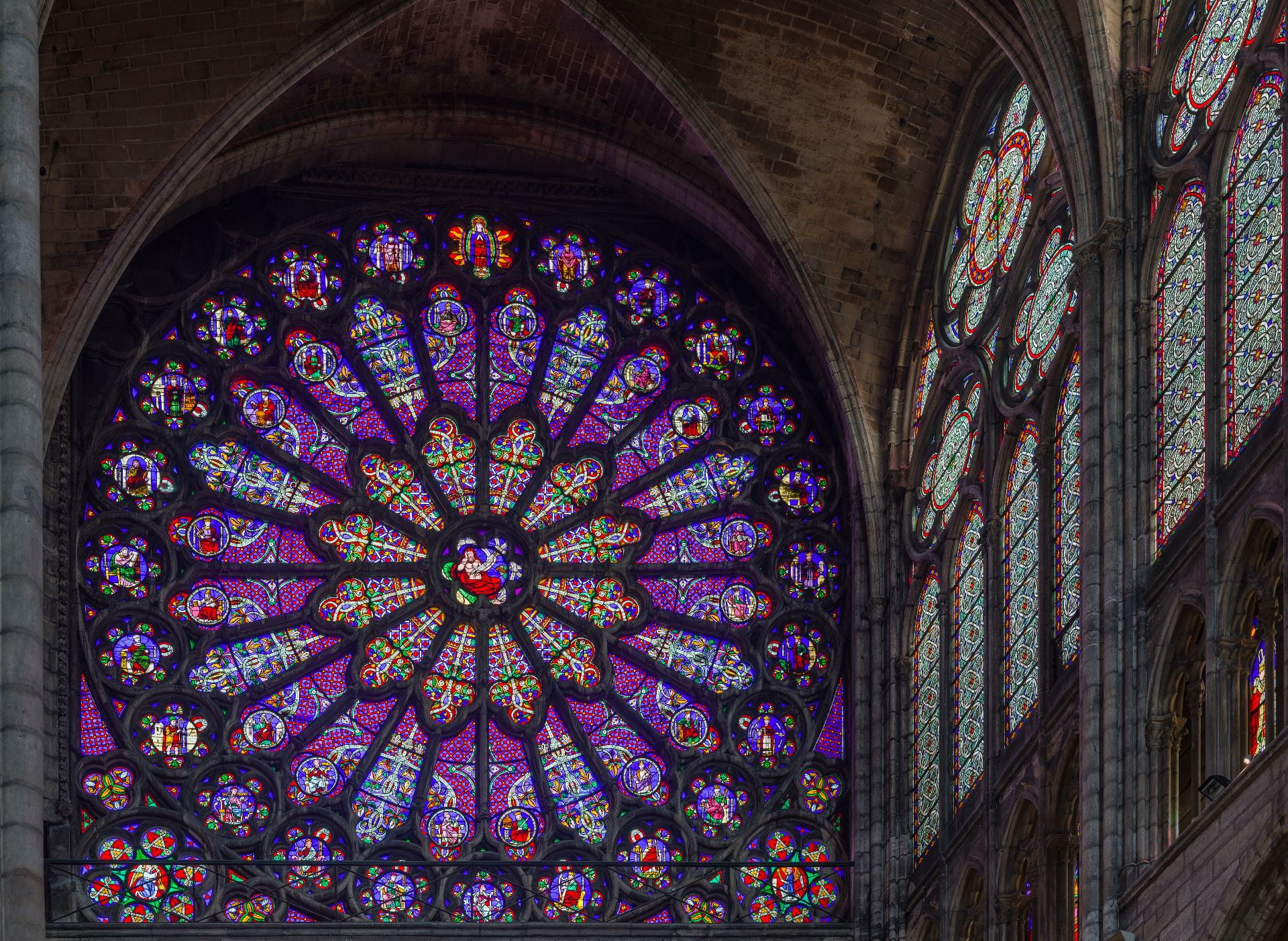
This undergraduate thesis, mentored by architectural historian Stephen Murray, explores the origins of Gothic architecture in the 12th-century church of Saint-Denis near Paris. The claim that Saint-Denis was one of the first Gothic churches reveals a tendency to tell history – particularly architectural history – in terms of individual structures. In fact, the origins of the Gothic style are more complex and nuanced. Abandoning a Paris- and Saint-Denis-centric origins story reveals the range of local sources from which medieval masons drew inspiration to create the Gothic style. VIEW PUBLICATION >

24 Hours in the London Underground

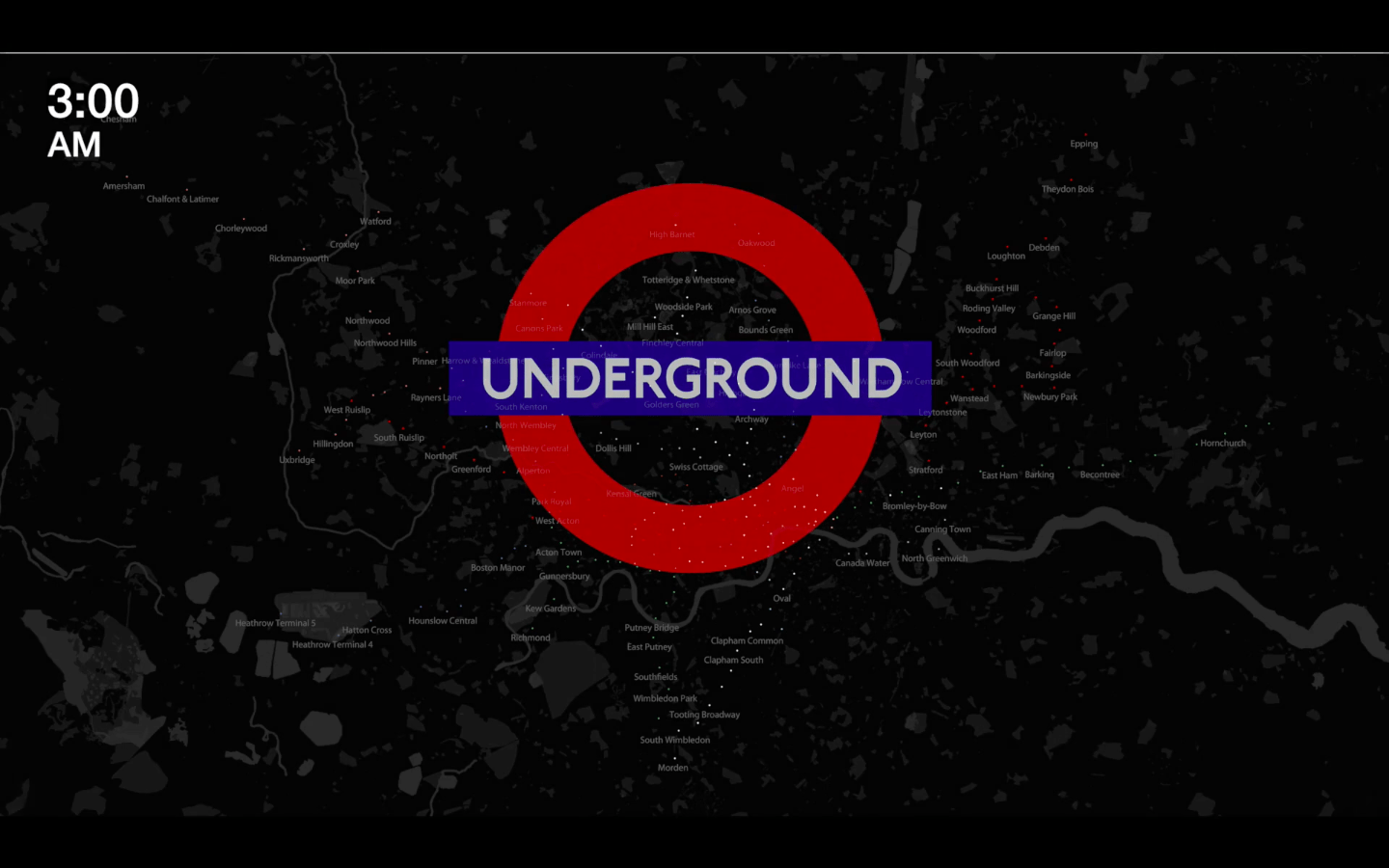
This animation visualizes London Underground commuting patterns using 25,440 data points from 265 stations over two weeks in 2010. Pulsating colored dots represent busy and less busy stations, while audio volume syncs with ridership density. The project draws analogies between urban movement and human physiology, highlighting the city as a complex web of nerve endings, cellular units, organs, and the pulsating blood vessels of mass-transit lines. VIEW PUBLICATION >

The Meaning of Notre-Dame

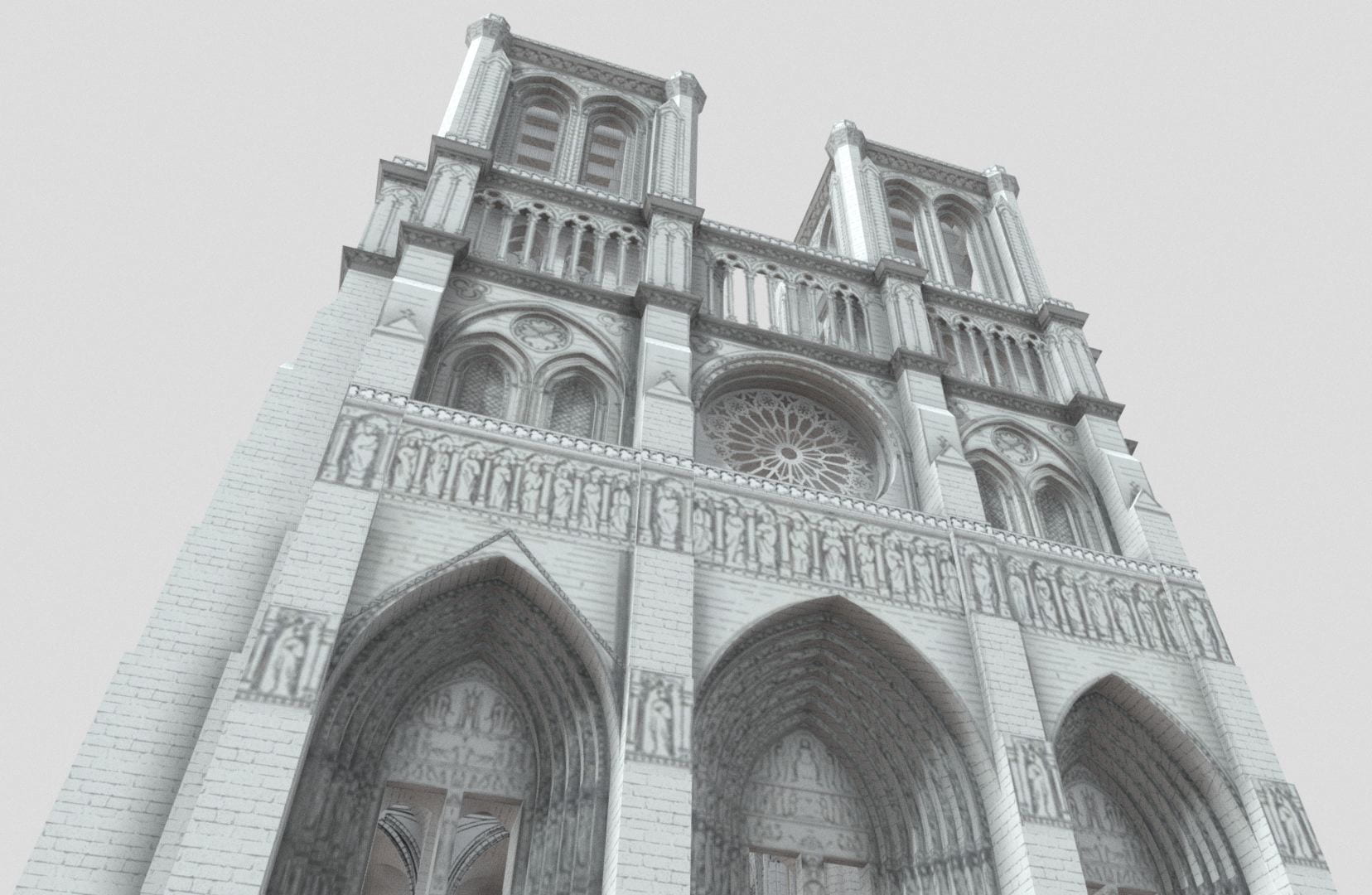
The construction of Notre-Dame reflects the origins story of medieval France and the consolidation of power under the Capetian monarchy. This cathedral became a symbol of political power, devotion, and national identity, enduring through 800 years of crises and transformations. Through fires, reconstructions, revolutions, and renovations, Notre-Dame has grown and evolved as symbol of faith and nation. VIEW PUBLICATION >

Railroad commuting patterns in New Jersey

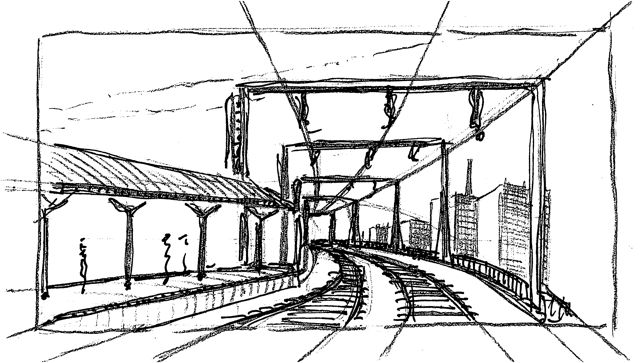
NJ Transit carries over 90,000 commuters per day to and from New York Penn Station, the busiest rail station in the Western Hemisphere. Like spokes on a wheel, these commuter rail lines radiate from the urban core of Midtown Manhattan. Hover over stations to view statistics. Dot size corresponds to number of riders per day: Large dots for busy stations and small dots for less busy stations. VIEW PUBLICATION >

Geography of Marijuana Arrests

Before the legalization of recreational marijuana in 2021, the NYPD reported over 102,000 marijuana-related arrests in 2017, disproportionately affecting Black males from low-income areas, despite similar usage rates among other demographics. This system wastes taxpayer dollars and perpetuates a cycle of criminalization for those impacted by arrests. In this series of data visualizations and maps, I walk readers through the geography of marijuana incarceration. VIEW PUBLICATION >

New York City Subway Ridership Patterns

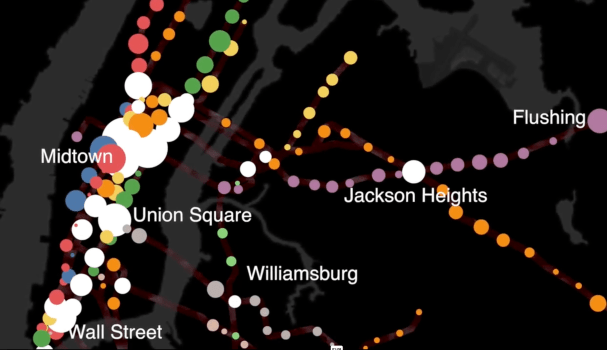
The MTA’s 424 subway stations and 665 miles of track are analogous to the human circulatory system. Every weekday pre-coronavirus, the subway carried 5.4 million people, mostly commuters. This daily commute is ordered, structured, and rhythmic – as Manhattan’s population swells during the daily commute and then contracts by night. Each passenger symbolizes the movement of a single red blood cell. With each paycheck, the oxygen of capitalism flows from the heart of Manhattan to the cellular homes in the outer boroughs.

As published by Gothamist VIEW PUBLICATION >

Where in the world is modernism?

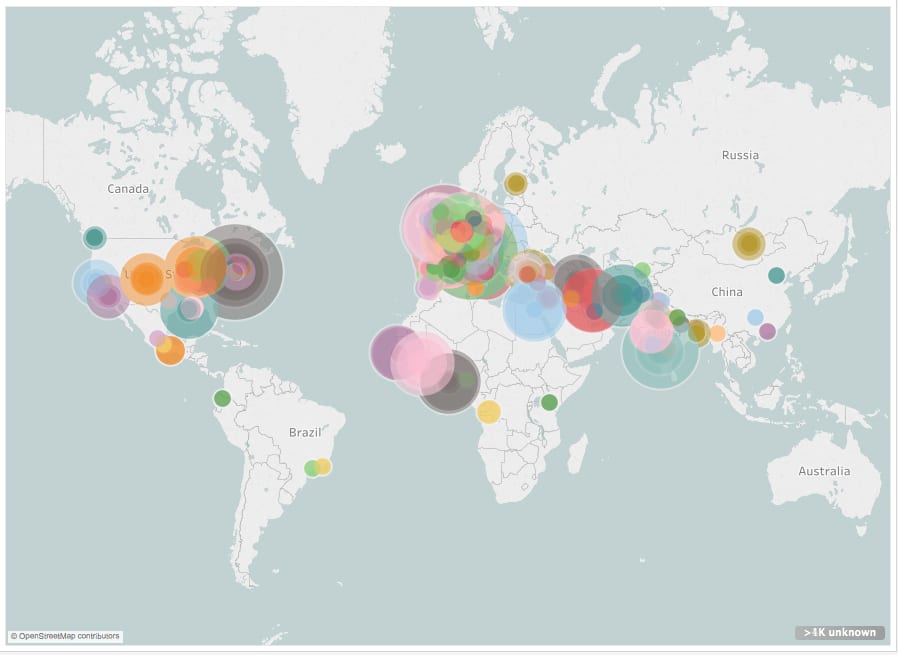
What if the nationality of every artist represented in the Museum of Modern Art’s collections were mapped to illustrate the museum’s evolving geographic diversity from the 1920s to today? Watch this data visualization that shows the provenance and geographical origins of 121,823 works of art selected from MoMA’s collections. Explore supporting data visualizations and interactive dashboards. VIEW PUBLICATION >

A History of Historic Preservation in New York City

Developed with historian Kenneth Jackson.

Data analysis of NYC landmarks since 1965 reveals trends and biases in the landmarks preservation movement. By 2018 estimates, New York City has granted historic
landmark status to 128,594 structures across Five Boroughs. This visualization and the accompanying analysis assess the geographical spread, location, and age of landmarks with publicly-available metadata. VIEW PUBLICATION >

A Brief History of Mulberry Bend

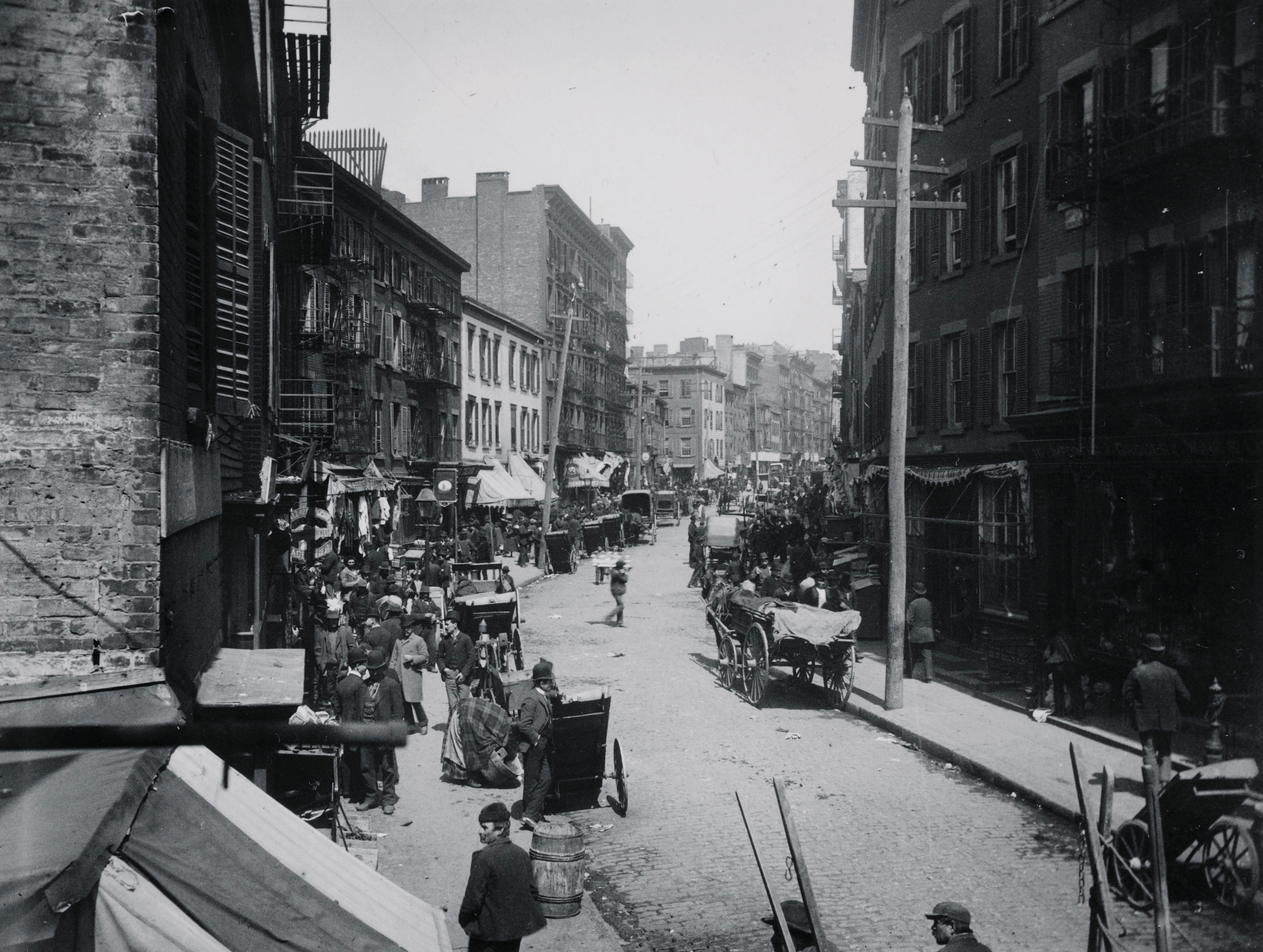
Mulberry Bend, nestled between the New York County Criminal Court and the tenements of Chinatown, is at the geographic crossroads of urban history. At 500 feet long and 50 feet wide, Mulberry Bend is named after the slight turn the street makes midblock. The Bend has a rich, 350 year history: marsh, city slum, site of urban renewal, and now heart of the Western Hemisphere’s largest Chinese enclave VIEW PUBLICATION >

The Geography of Art History

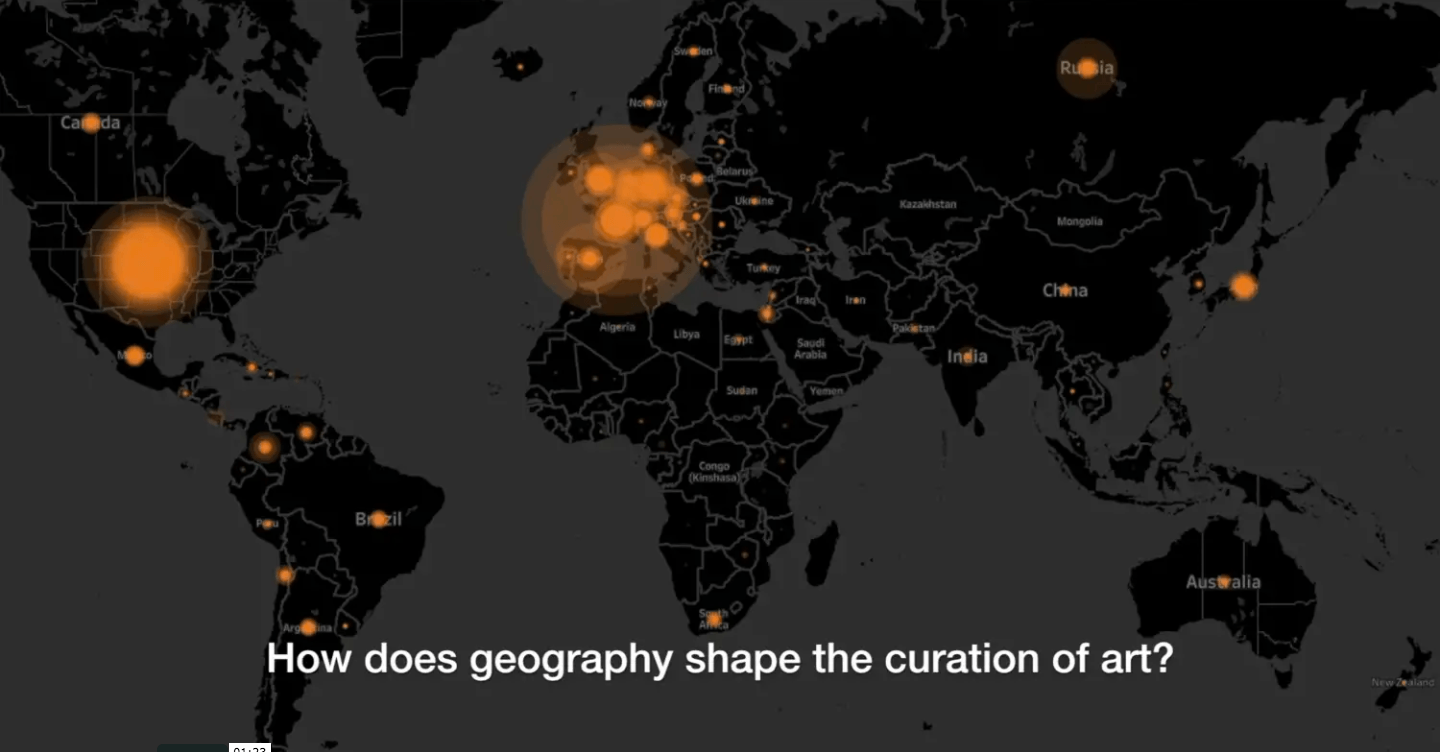
According to the Metropolitan Museum of Art Related: Data analysis and visualization of 120,000 works in the Museum of Modern Art In this film, each colored dot indicates one location represented by art in the Met’s online database. Dot location indicates artwork provenance. Dot size indicates the number of objects from this place. The time each dot appears corresponds to the year this work was created. This data is assumed to be an accurate sample size. Over the past few years, the Metropolitan Museum has catalogued over 25% of its holdings online. This represents ~590,000 objects, covering over 5,000 years… VIEW PUBLICATION >

Columbia University Artwork

This digital portfolio highlights various artistic projects, time-lapse drawings, and models I created of Columbia University’s campus, during the time I was a student there. The portfolio features a detailed ink and watercolor campus drawing, a mini model of the campus made from paper, and six time-lapse sequences documenting artistic processes. Featured in multiple publications, these creations are now a personal souvenir of my education at Columbia.

Contact me to download source files or to order custom prints mailed to your home address. VIEW PUBLICATION >

Computer Model of the Kaaba in Mecca

The Kaaba (Arabic: ٱلْـكَـعْـبَـة “The Cube”) is a building at the center of Islam’s most important mosque in Mecca.

In 2018, I was unhappy with the available quality of 3D digital models of the Kaaba. So I created this accurate-to-the-inch model based on architects’ drawings and photos. VIEW PUBLICATION >