Lorch Column at the University of Michigan
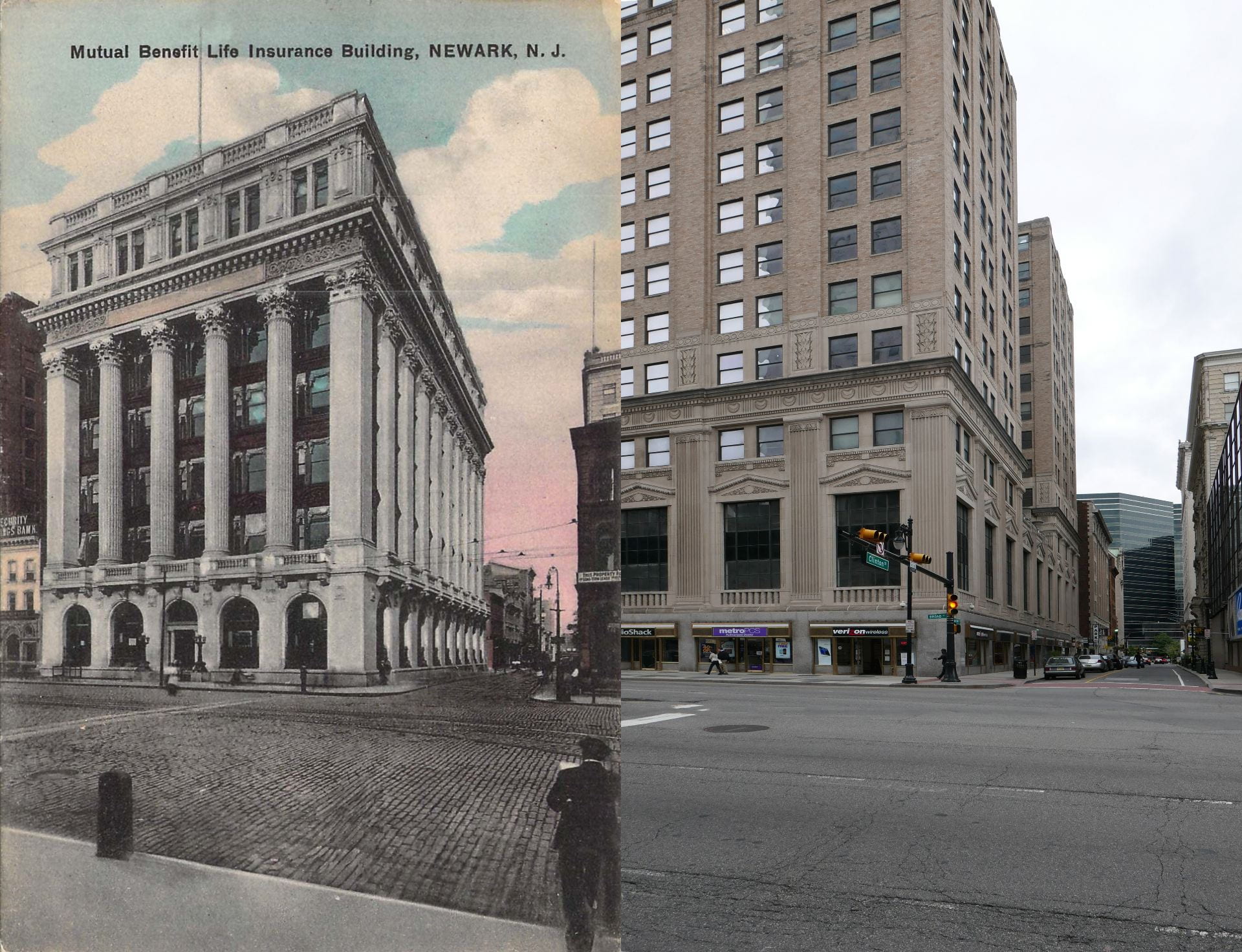
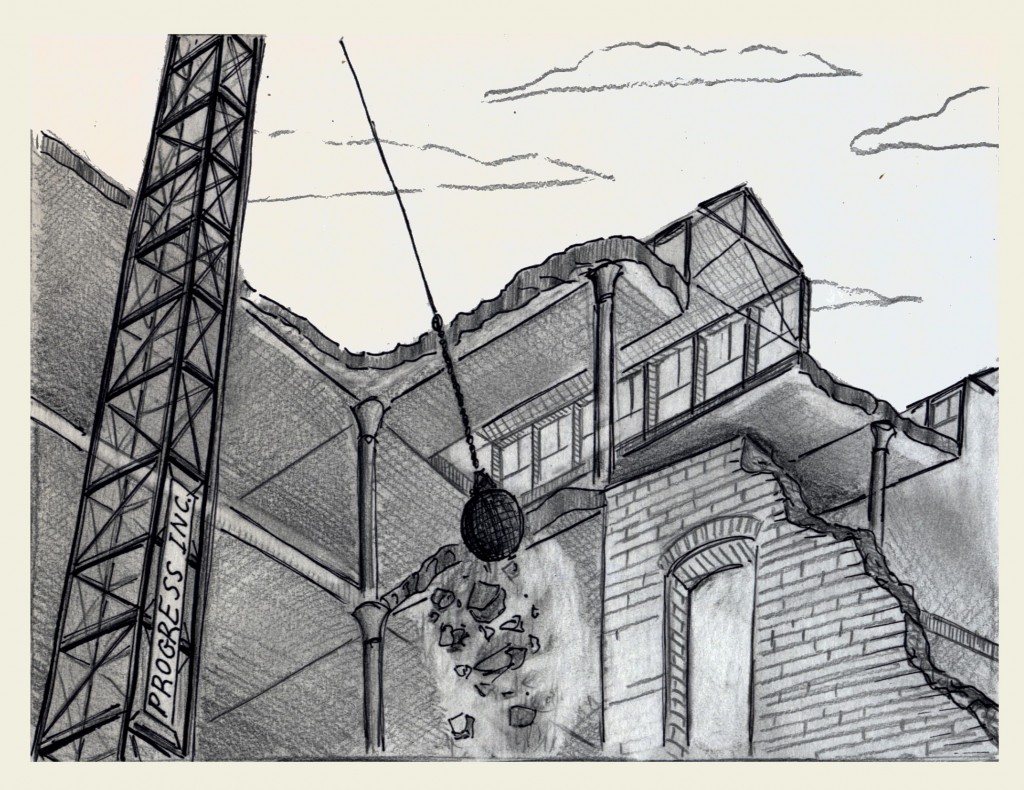
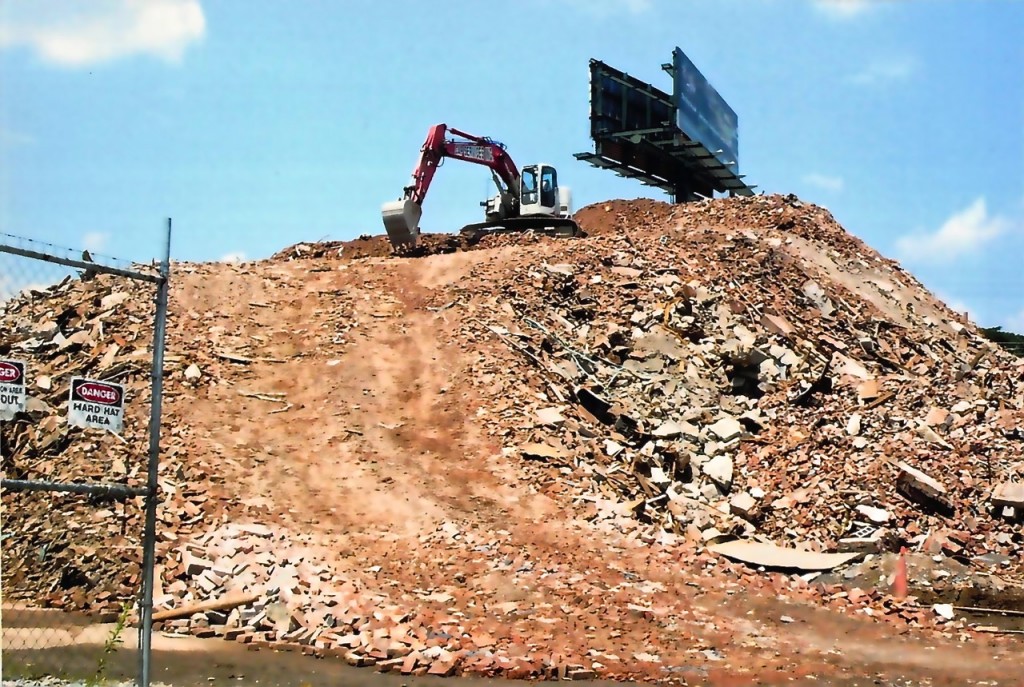
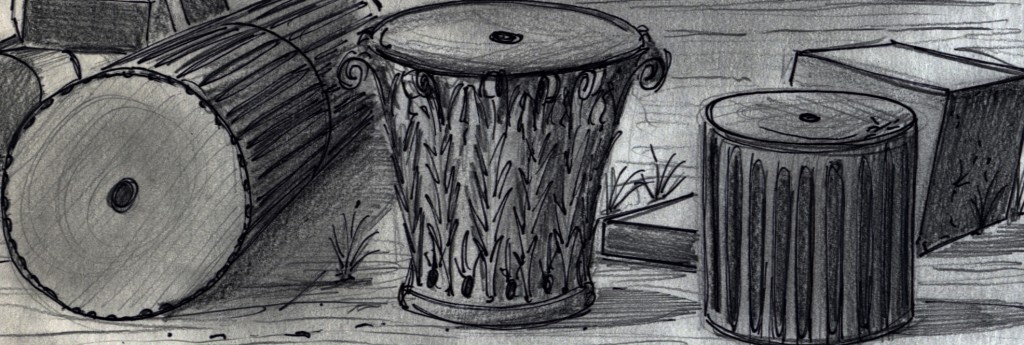
The Lorch Column, a significant architectural salvage from the demolished Mutual Benefit Life Insurance building in Newark, NJ, symbolizes the intersection of history and capitalism. Originally designed to represent strength and wealth, the column was demolished just twenty years later. The column’s migration from Newark to Taubman College the University of Michigan reflects the cyclical nature of architectural life and death, capitalism and creation. In this essay, I interrogate what architecture reveals about time, place, and the culture of capitalism.

As published by the University of Michigan’s College of Architecture & Urban Planning VIEW PUBLICATION >
Bulldozer Urbanism

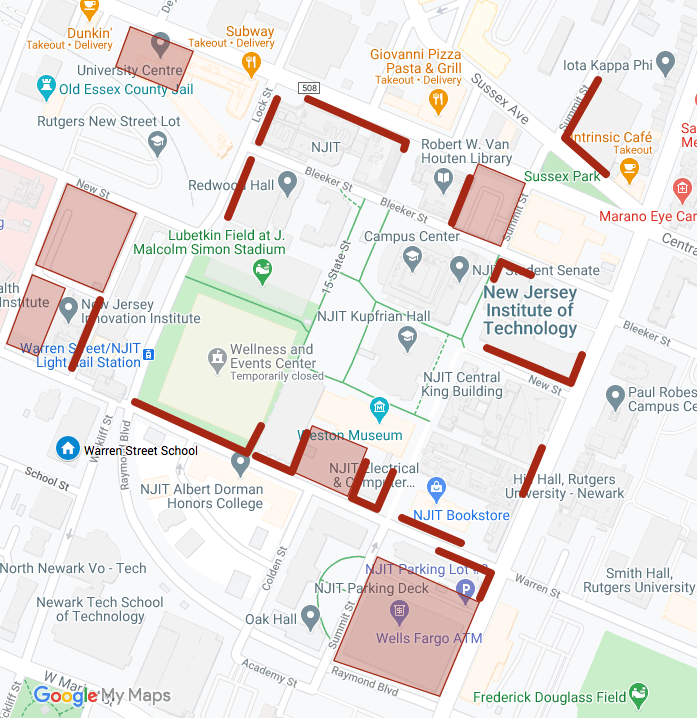
The New Jersey Institute of Technology (NJIT) faces criticism for demolishing historic buildings in Newark’s James Street Commons Historic District. While NJIT invested significantly in architecture for its students, the parts of campus that face toward the city and commmunity lack community engagement and negatively impact urban aesthetics. I advocate for campus planning that enhances neighborhood life and preserves historical assets. VIEW PUBLICATION >

The Privatization of Public Space in Lower Manhattan

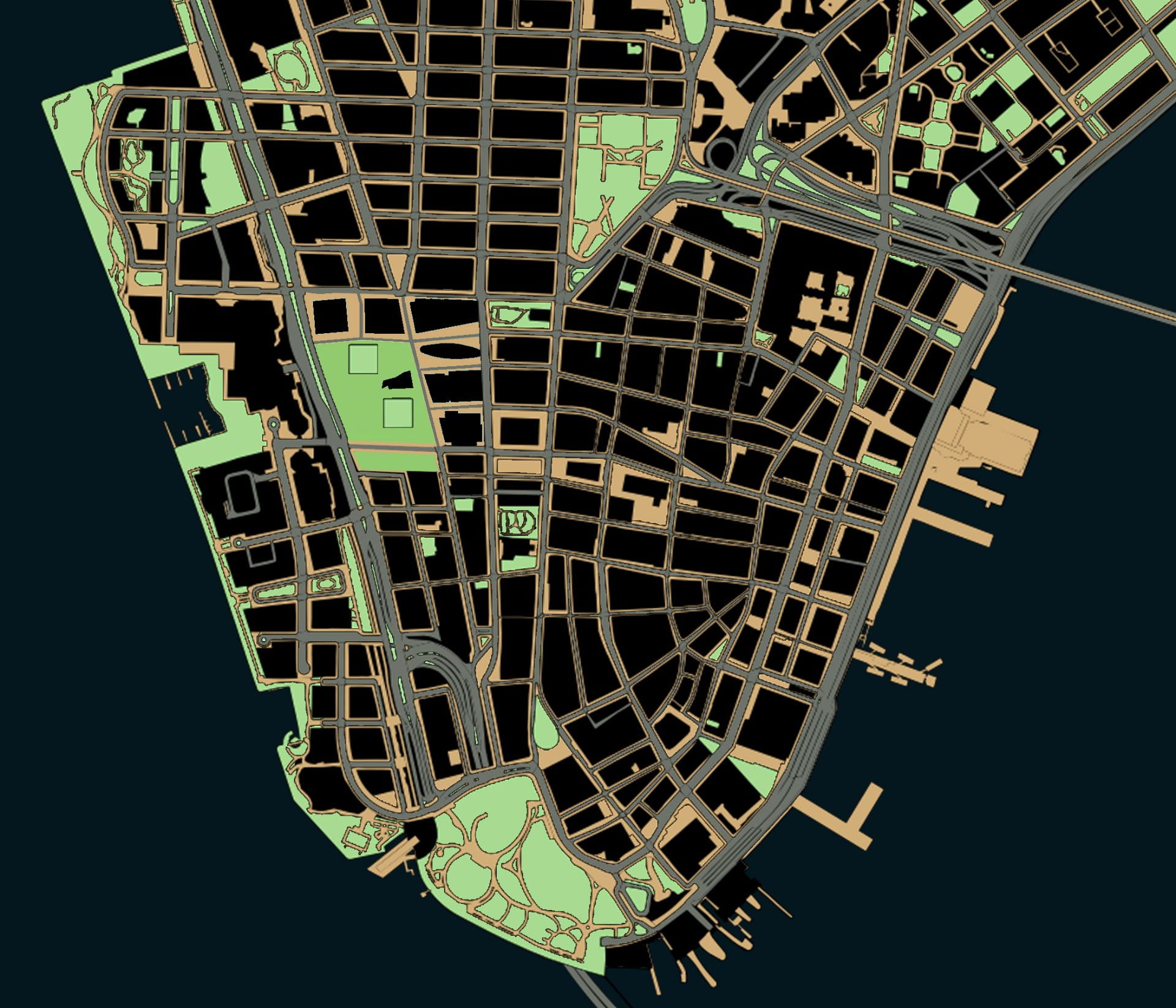
The decline of public spaces in Lower Manhattan is a pressing issue, threatening democracy and the sense of civic identity. While approximately 60% of Lower Manhattan’s ground area is technically dedicated to public use, only 25% remains truly accessible to pedestrians. Factors like cars, corporations, and surveillance have restricted urban life. Continued privatization erodes the quality and frequency of community interactions that are essential for democratic engagement and tolerance. VIEW PUBLICATION >

The Detroit Evolution Animation

Old maps were layered and animated to reveal the scale of Detroit’s transformation from French colonial trading post, to 19th-century boom, to 20th-century decline. Cartography highlights how political policies, technological changes, and the Great Migration accelerated racial segregation and the decline of mass transit. Detroit reflects broader trends seen in American cities.

Project developed with historian Robert Fishman for an exhibit and lecture, funded by Egalitarian Metropolis grant from Mellon Foundation. VIEW PUBLICATION >

A Drop of Water

This essay is a brief history and analysis of Newark’s water supply system, based on my experience of walking along the aqueduct from forest origins to urban destination. The journey of Newark’s water supply illustrates the connection between diverse communities in New Jersey, highlighting how the rural, suburban, and urban areas are interlinked. Despite their physical separation, the health and well-being of Newark residents depend on clean water sourced from distant, often affluent regions, revealing societal inequalities in access and environmental safety. VIEW PUBLICATION >

Homesteads to Homelots in the Garden State

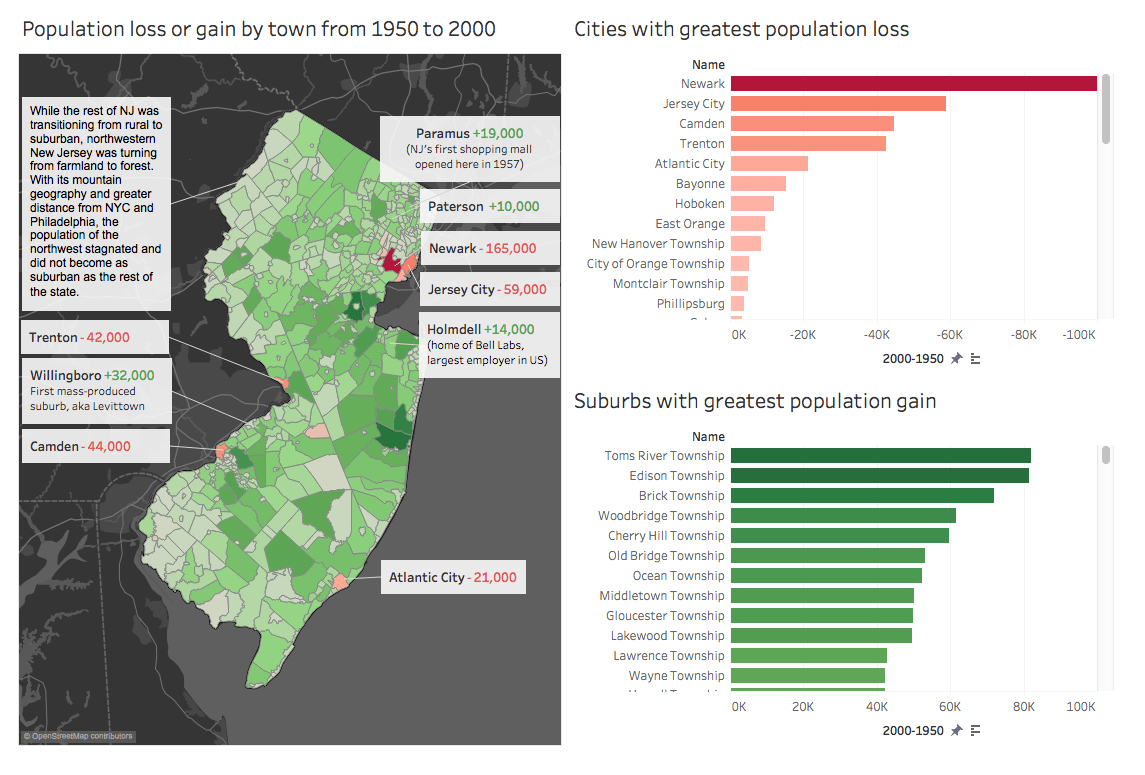
Analysis of US census data reveals spatial trends in New Jersey’s suburban sprawl from the 1920s to 2020s. NJ’s landscape evolved from an urban state in the 1920s to what is now a suburban state with diminished civic realm. This analysis uses data to explore municipal fragmentation, population density shifts, and enduring economic challenges. The state’s unique political geography causes persistently high property taxes and spatial inequality. NJ’s story reveals mirrors larger spatial patterns in American urban history. VIEW PUBLICATION >

Book Review of “Saving America’s Cities”

A review of Lizabeth Cohen’s book

“Saving America’s Cities: Ed Logue and the Struggle to Renew Urban America in the Suburban Age.” (New York: Farrar, Straus and Giroux, 2019. 547 pp.)

Winner of the Bancroft Prize in 2020 for the quality of her historical writing VIEW PUBLICATION >
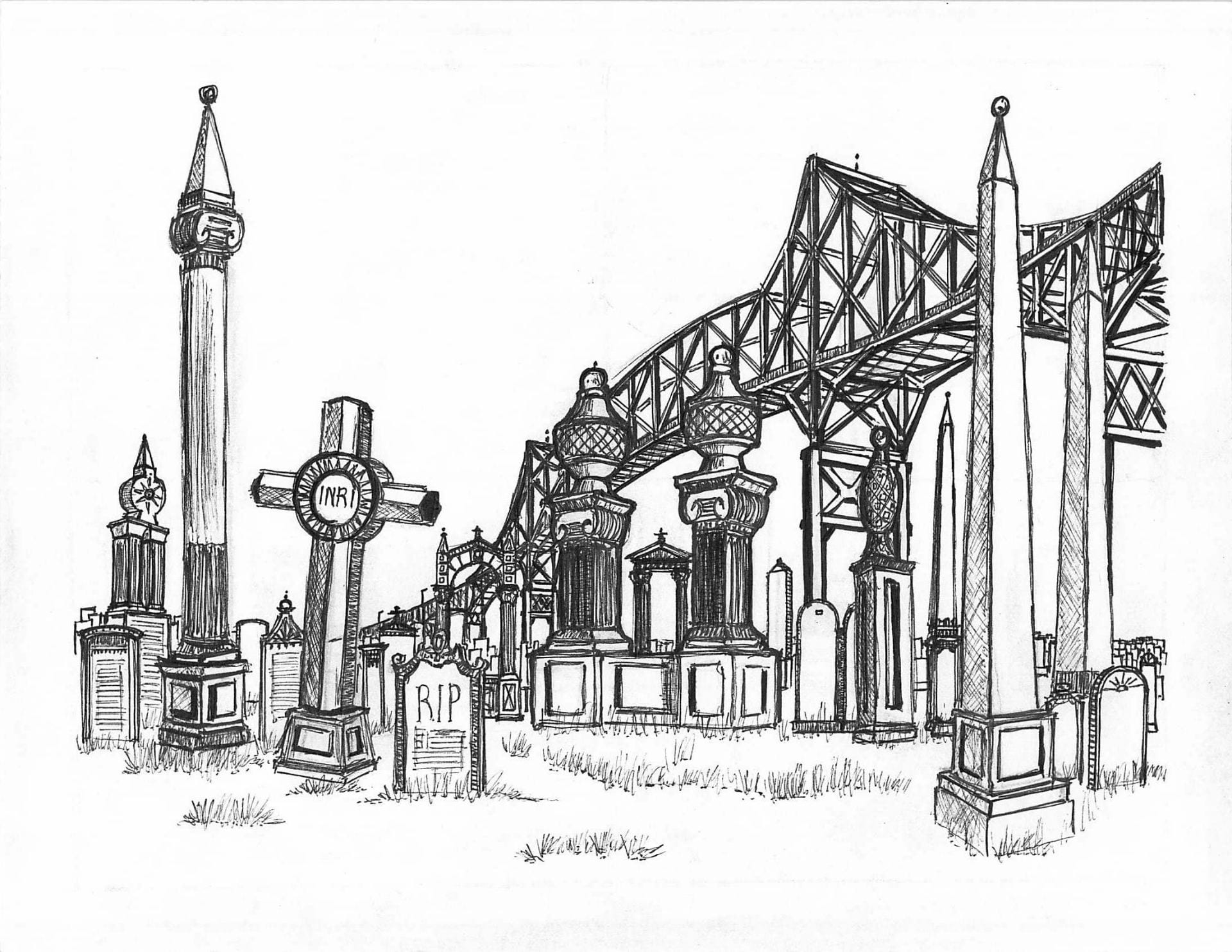
Demolishing Public Space at New York Penn Station

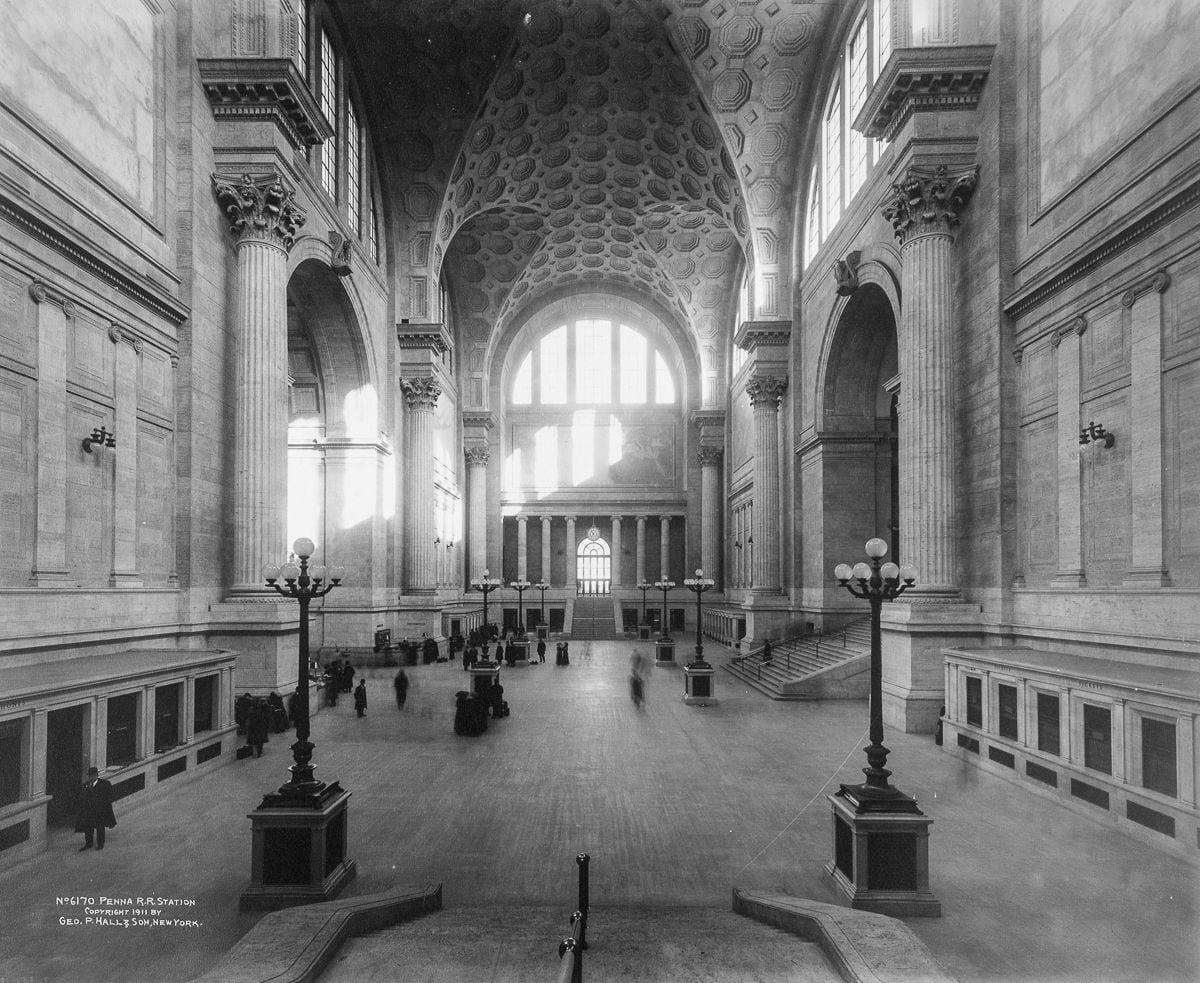
The untimely and short-sighted demolition of old Penn Station in 1963 symbolizes the eroding quality of public space in New York City. In the conflict between developers and community voices in New York, the narrow considerations of economic profit triumphed over the broader community’s demands for historical preservation and high-quality public space. In this essay written for historian Evander Price’s summer 2020 class I took at Harvard University, I reflect on what the loss of this landmark reflects about the destructive nature of American capitalism. VIEW PUBLICATION >
Excavating Old New York Penn Station

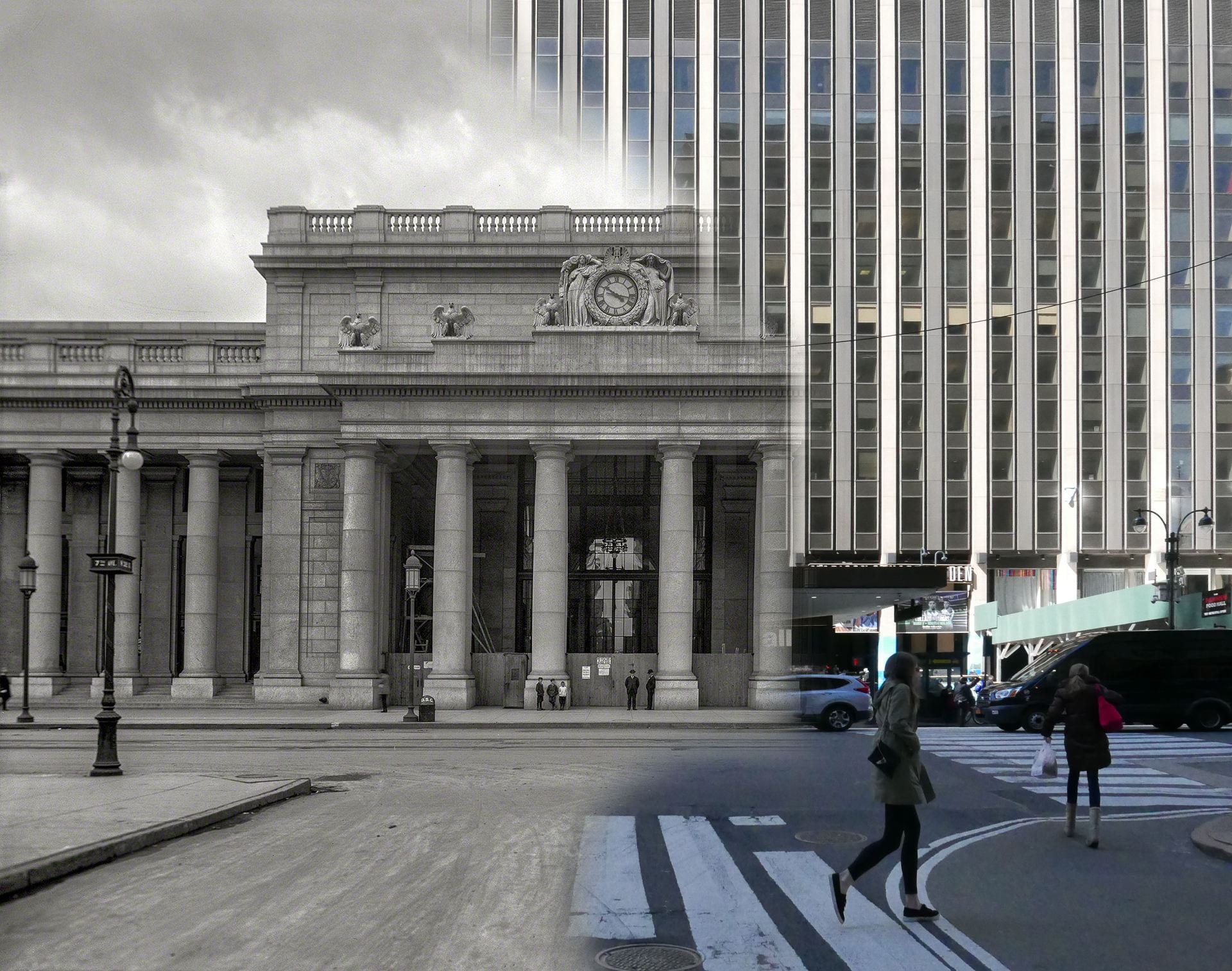
In this computer model and series of image comparisons of past and present, I walk viewers through New York Penn Station. I identify the current and contemporary camera angles from which historical photos were taken in 1911.

The accompanying historical essay explores the historical significance and transformation of this trains station. Originally a grand architectural masterpiece from 1910 that embodied neoclassical design and values, the station was demolished in the 1960s, in order to build a modern structure that lacks its predecessor’s grandeur. VIEW PUBLICATION >
A Medieval Mask on a Modern Prison

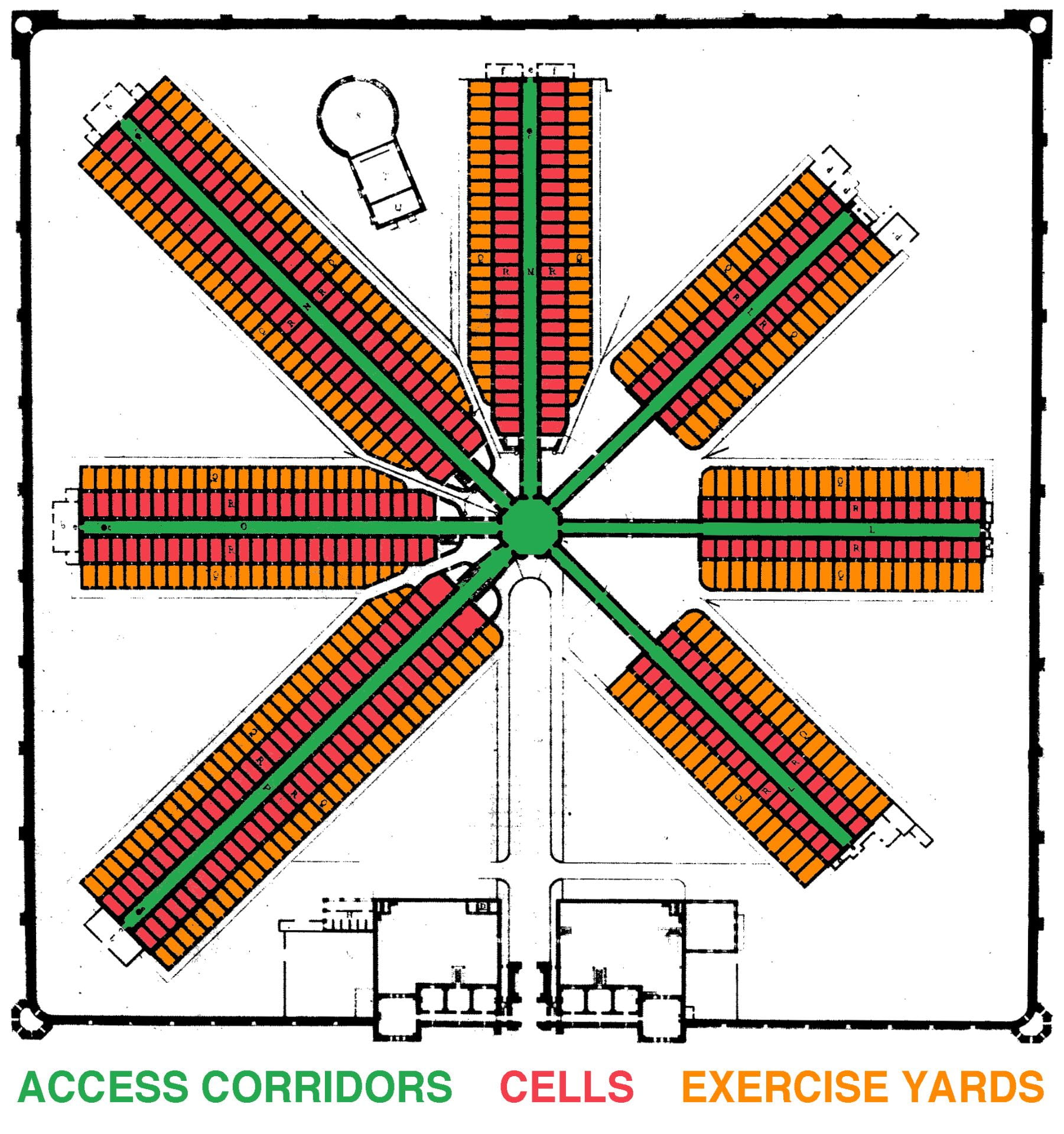
This research presented at the University of Cambridge examines Eastern State Penitentiary in Philadelphia, designed by John Haviland in 1829. The study explores the strategic use of the Gothic revival style, whether to inspire fear in visitors or redemption in inmates. This essay analyzes the symbolic and cultural reasons behind the penitentiary’s fortress-like and medieval appearance. More than a purely random choice, the aesthetic qualities of Gothic reflect the beliefs and prejudices of the people who managed this prison of solitary confinement.

VIEW PUBLICATION >
What’s wrong with Jeremy Bentham’s Panopticon?

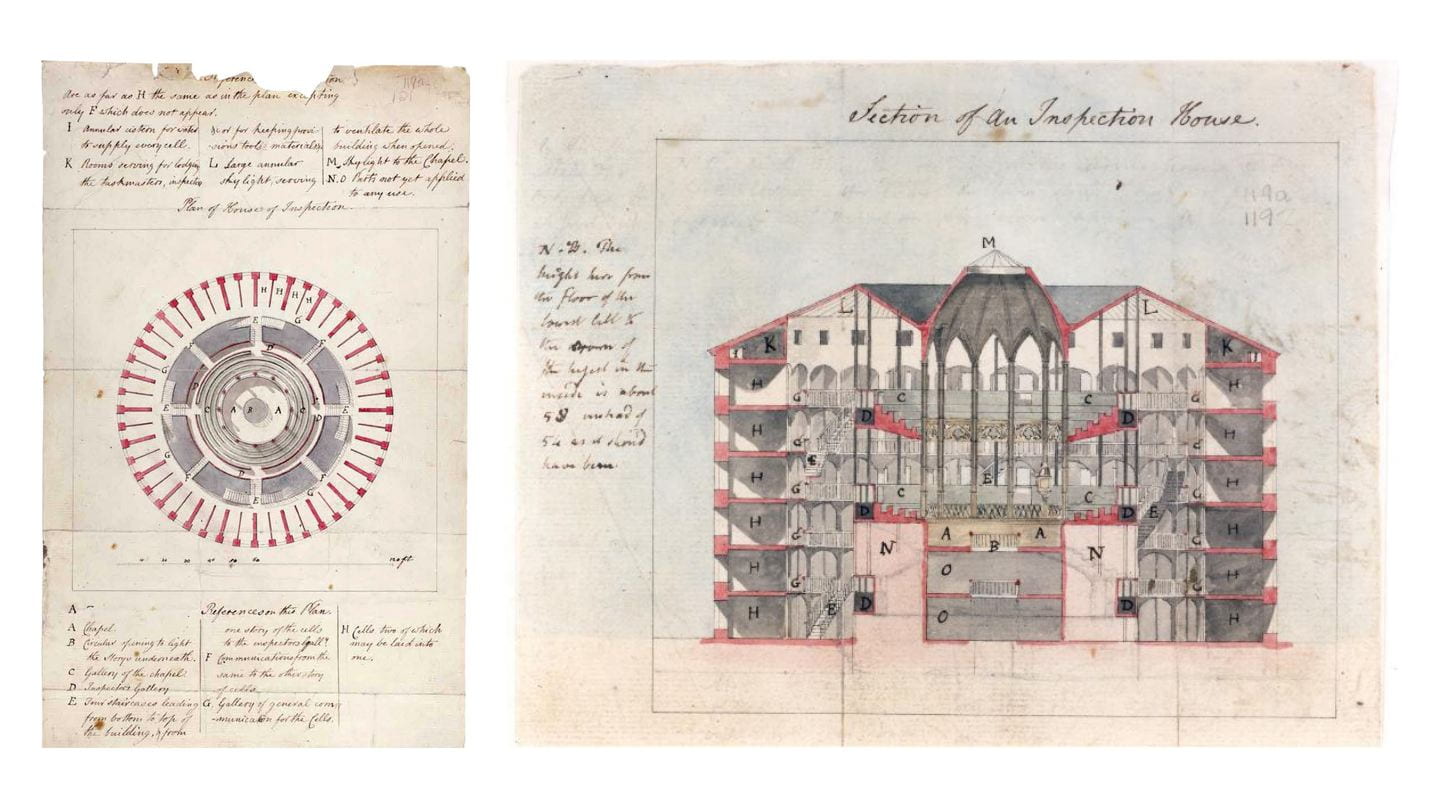
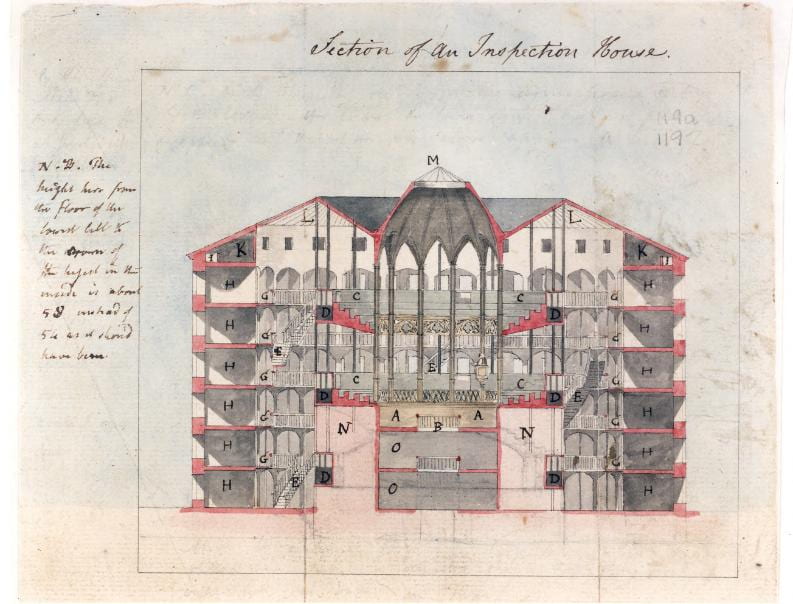
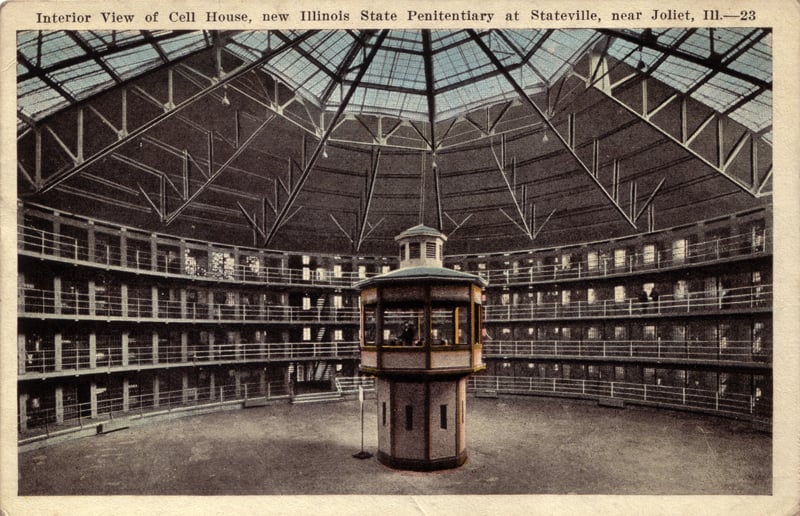
This lecture given at the Department of Architecture at the University of Cambridge discusses Jeremy Bentham’s panopticon as a symbol of surveillance. I interpret this structure through Michel Foucault’s postmodernist theories. As visual evidence, I use a virtual reality computer model of the panopticon to reveal the structure’s flaws and misinterpretations. The panopticon remains relevant today as continuing inspiration for hundreds of prisons around the world, foremost among them the Eastern State Penitentiary in Philadelphia.
Listen to recording of presentation at the University of Cambridge in England. VIEW PUBLICATION >
The Panopticon: a problem of definition

The panopticon is a conceptual proposal for a building developed by philosopher Jeremy Bentham in the 1790s. The panopticon claims to be an architectural model of surveillance for institutions that include prisons, hospitals, workhouses, factories, and schools. While Bentham envisioned it as an all-seeing design, practical implementations, such as the Eastern State Penitentiary, reveal significant design flaws that hinder its efficacy. Modern interpretations, in turn, link the panopticon to contemporary surveillance and the operations of the internet. VIEW PUBLICATION >

California Waterscape: time-lapse history of water supply

This time-lapse film visualizes the evolution of this state’s water delivery infrastructure from 1913 to 2019 through geo-referenced data on aqueducts, reservoir capacities, and land use. The animated film showcases population growth, urbanization, and agricultural demands, presenting cartographic snapshots that reflect the state’s increasing water needs over the decades. VIEW PUBLICATION >

Architecture of Exclusion in Manhattan Chinatown

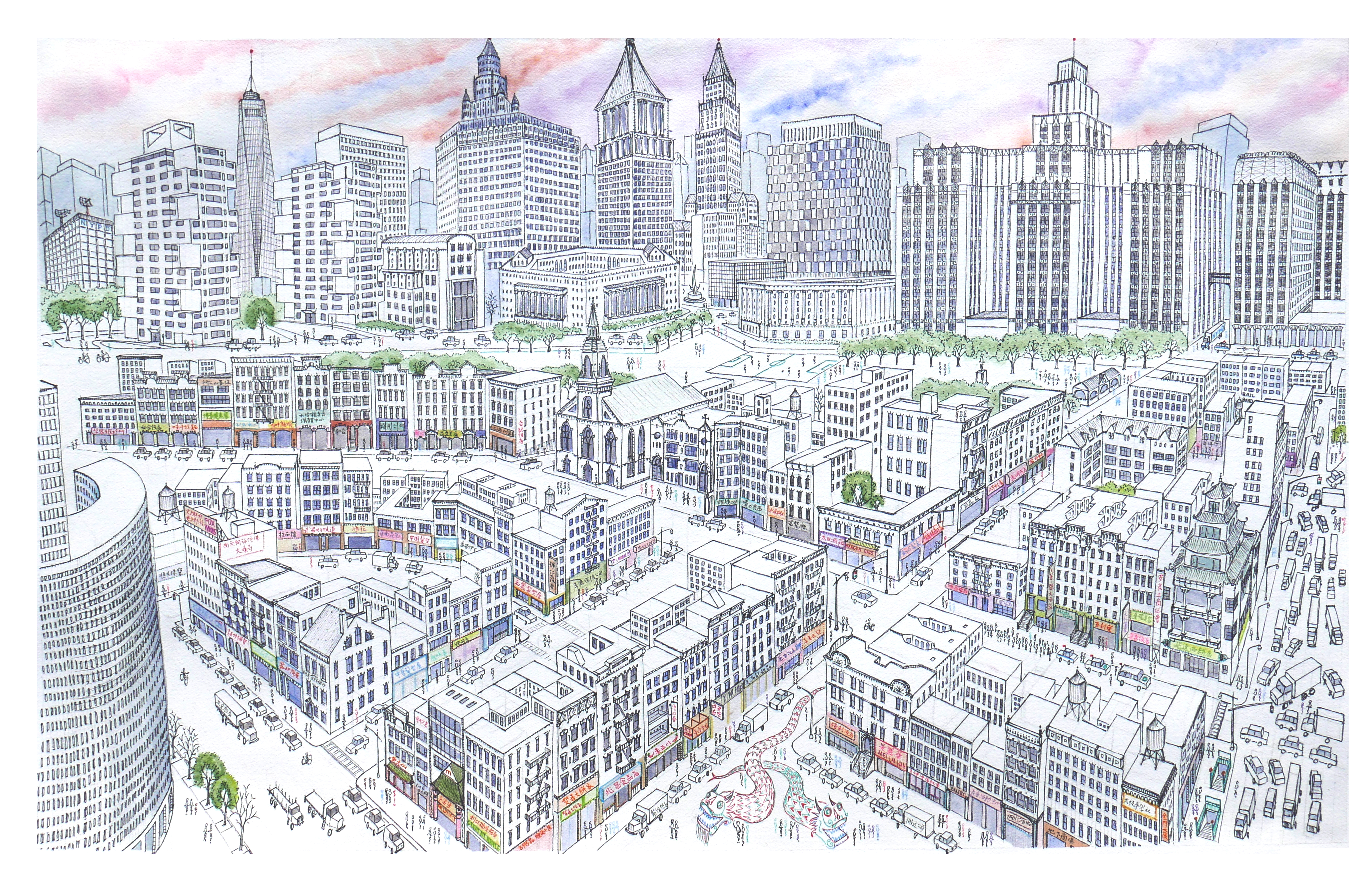
This essay discusses the historical and contemporary challenges faced by the Chinese community in Manhattan’s Chinatown, highlighting the impact of the 1882 Chinese Exclusion Act and ongoing discrimination against immigrants and working-class communities. Despite systemic barriers, the community shows resilience and maintains cultural identity amidst gentrification and urban development. VIEW PUBLICATION >

Geography of Marijuana Arrests

Before the legalization of recreational marijuana in 2021, the NYPD reported over 102,000 marijuana-related arrests in 2017, disproportionately affecting Black males from low-income areas, despite similar usage rates among other demographics. This system wastes taxpayer dollars and perpetuates a cycle of criminalization for those impacted by arrests. In this series of data visualizations and maps, I walk readers through the geography of marijuana incarceration. VIEW PUBLICATION >

A History of Historic Preservation in New York City

Developed with historian Kenneth Jackson.

Data analysis of NYC landmarks since 1965 reveals trends and biases in the landmarks preservation movement. By 2018 estimates, New York City has granted historic
landmark status to 128,594 structures across Five Boroughs. This visualization and the accompanying analysis assess the geographical spread, location, and age of landmarks with publicly-available metadata. VIEW PUBLICATION >

A Brief History of Mulberry Bend

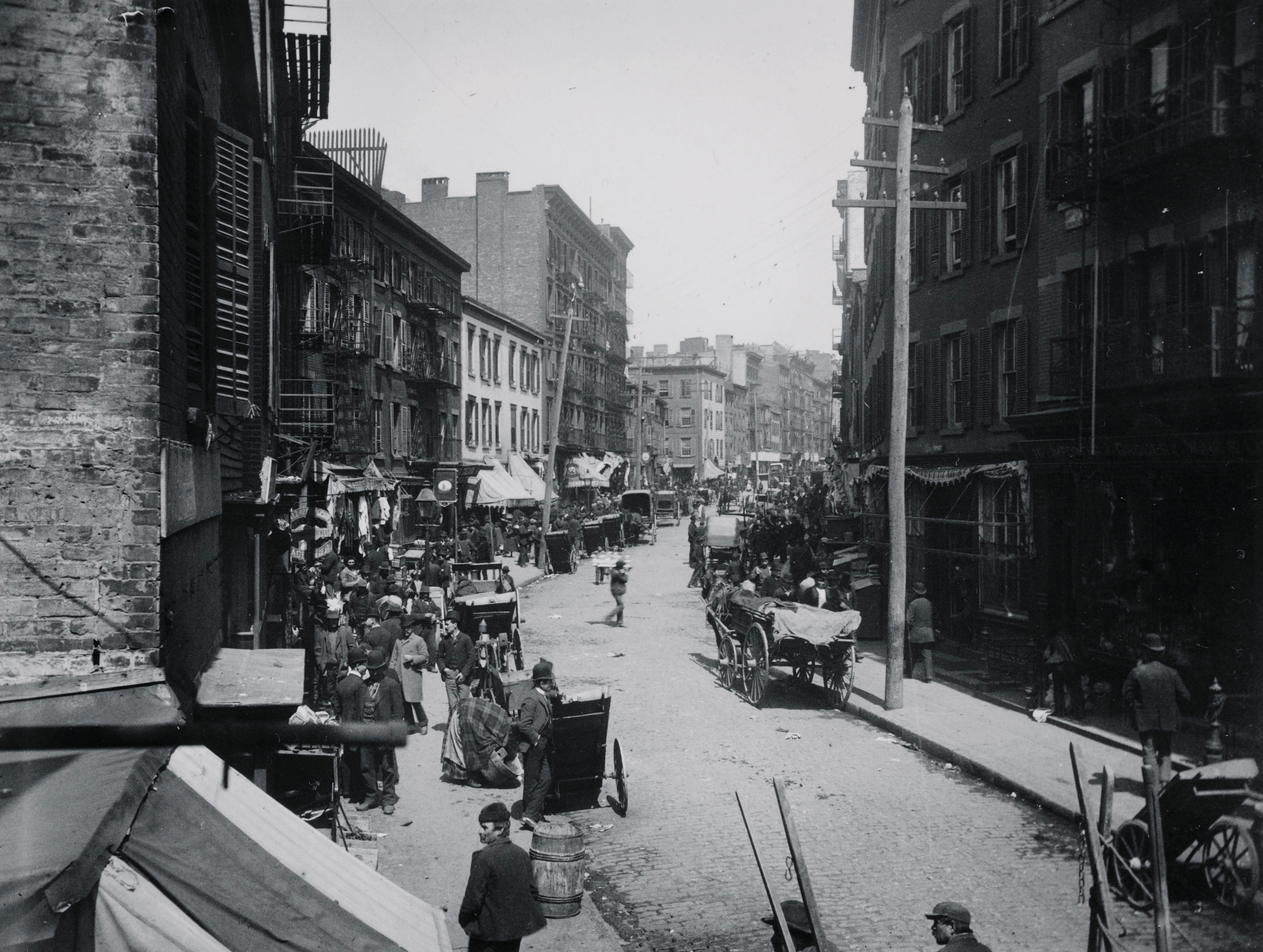
Mulberry Bend, nestled between the New York County Criminal Court and the tenements of Chinatown, is at the geographic crossroads of urban history. At 500 feet long and 50 feet wide, Mulberry Bend is named after the slight turn the street makes midblock. The Bend has a rich, 350 year history: marsh, city slum, site of urban renewal, and now heart of the Western Hemisphere’s largest Chinese enclave VIEW PUBLICATION >

Newark Metamorphosis

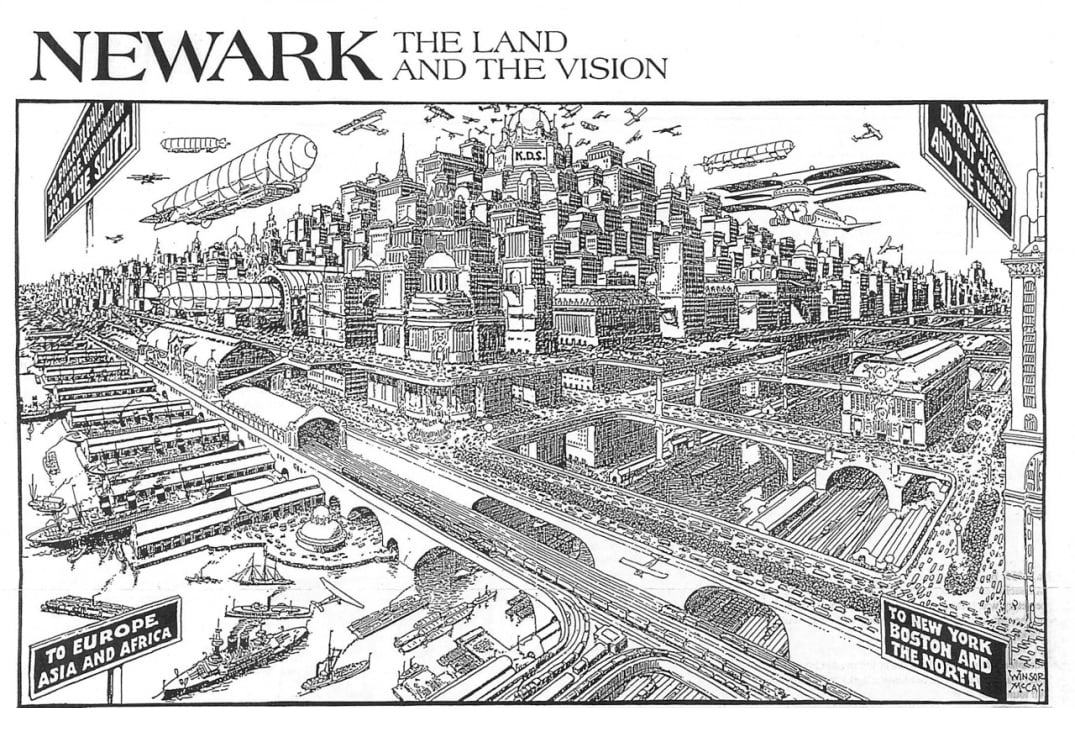
This exhibit created for the Newark Public Library uses postcard comparisons of past vs. present to showcase Newark’s architectural evolution from 1916 to today. The project highlights the loss of cultural heritage due to urban renewal and demographic change. The resulting interactive map presents 150 comparative views, which illustrate the progressive loss of human-scale small structures that were central to the city’s vanished neighborhood identity. VIEW PUBLICATION >

The Vanishing City of Newark

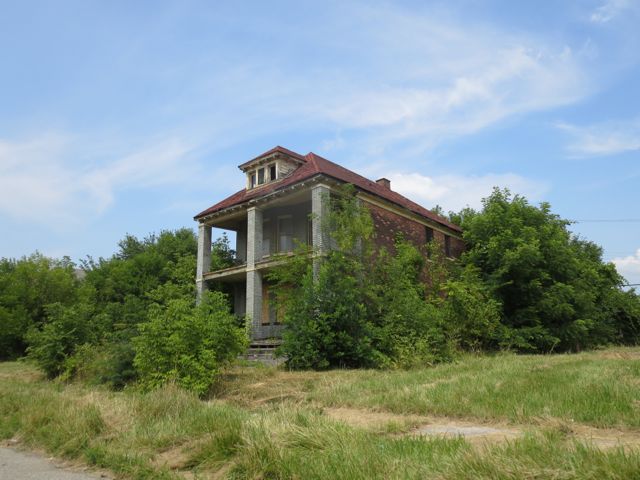
Vanishing City is a visual documentary and photo essay about architecture and redevelopment in Newark. An abandoned barge sinks in murky waters.  A former factory tumbles before the wrecking ball.  A sea of weeds lays siege to a vacant home. An empty lot is a gaping hole, a missing tooth, in the urban body. As a wall crumbles to the ground, a tree, anchored to the wall, reaches for the sky. VIEW PUBLICATION >

The Panopticon and Trouble in Utopia

Despite the seeming differences between them, many utopias and dystopias often resemble the panopticon, a model of the ideal surveillance state. In fact, panopticon, dystopic police state, and utopian society share common goals: total observation, total power, and unquestioned control. VIEW PUBLICATION >

Public Speech: parking vs. preservation

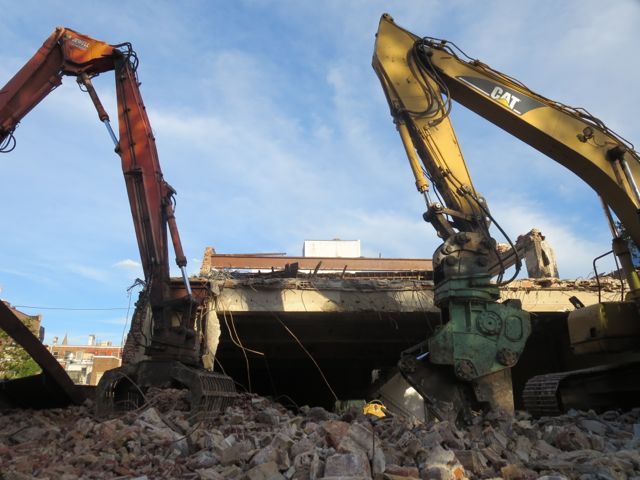
As featured by NJ.com in spring 2019 Update: Following a case filed by New Jersey Appleseed Public Interest Law Center on behalf of PLANewark, Edison Parking admitted that they demolished this building without seeking proper permission from city and state agencies. Edison was in negotations out of court with PLANewark about ways to mitigate the damage they caused. On a warm Sunday in August 2014, bulldozers started tearing away at a historic, turn-of-the-century loft space. Although the first floor was sealed with cinder blocks, the upper floor was adorned with large Chicago-style windows, intricate white terracotta carvings, and Greco-Roman ornament…. VIEW PUBLICATION >

The Legacy of Vitruvius

Essay selected from successful 2014 application to the Telluride Association Summer Program at the University of Michigan in Ann Arbor.

In this essay, I reflect on the Roman architect Vitruvius and ask: Rome left a footprint on the built environment. What will our society leave? VIEW PUBLICATION >