• Almost all of the following architectural and urban history publications are peer-reviewed.
    They are republished in full on my website, so as to guarantee public access by people outside academia. Contact me.

Exhibition Design for the Old Essex County Jail
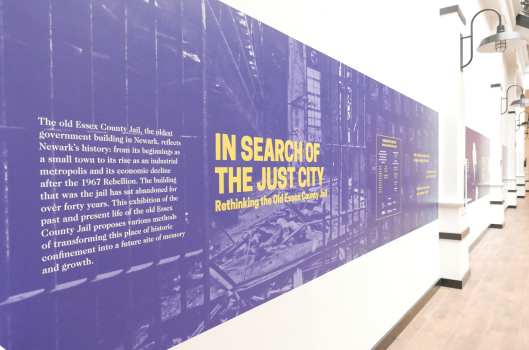
Developed in collaboration with Newark Landmarks and the master’s program in historic preservation at Columbia University’s Graduate School of Architecture, Planning, and Preservation. The abandoned old Essex County Jail in Newark was built in 1837 and is now listed on the National Register of Historic Places. This project transformed revitalization proposals by Columbia University’s historic preservation students into an exhibit and website. The exhibit highlight this jail’s social history and aimed to foster discussion on incarceration and urban regeneration.

As published by Columbia University GSAPP. Visit: OldEssexCountyJail.org VIEW PUBLICATION >
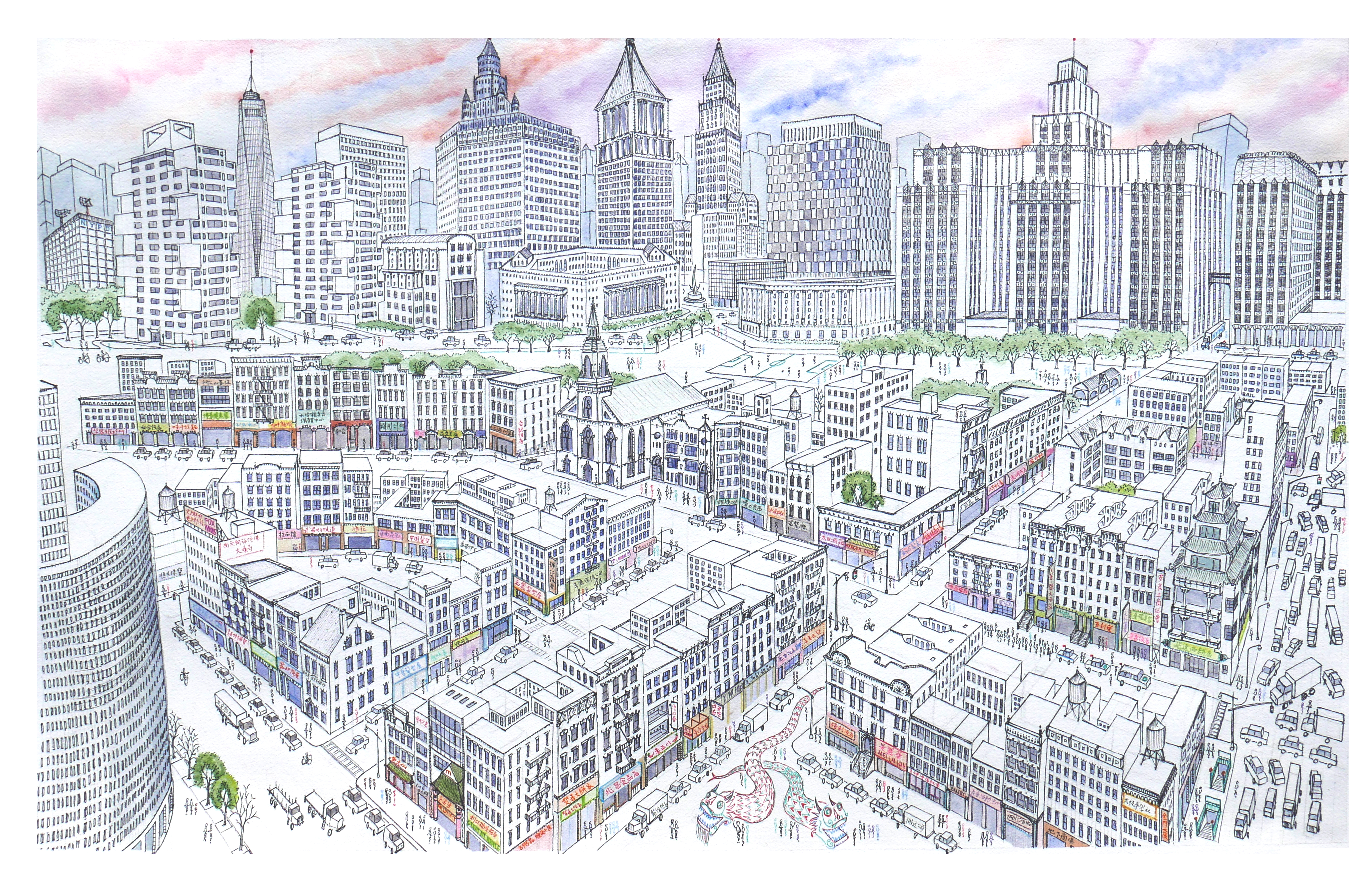
Architecture of Exclusion in Manhattan Chinatown

This essay discusses the historical and contemporary challenges faced by the Chinese community in Manhattan’s Chinatown, highlighting the impact of the 1882 Chinese Exclusion Act and ongoing discrimination against immigrants and working-class communities. Despite systemic barriers, the community shows resilience and maintains cultural identity amidst gentrification and urban development. VIEW PUBLICATION >

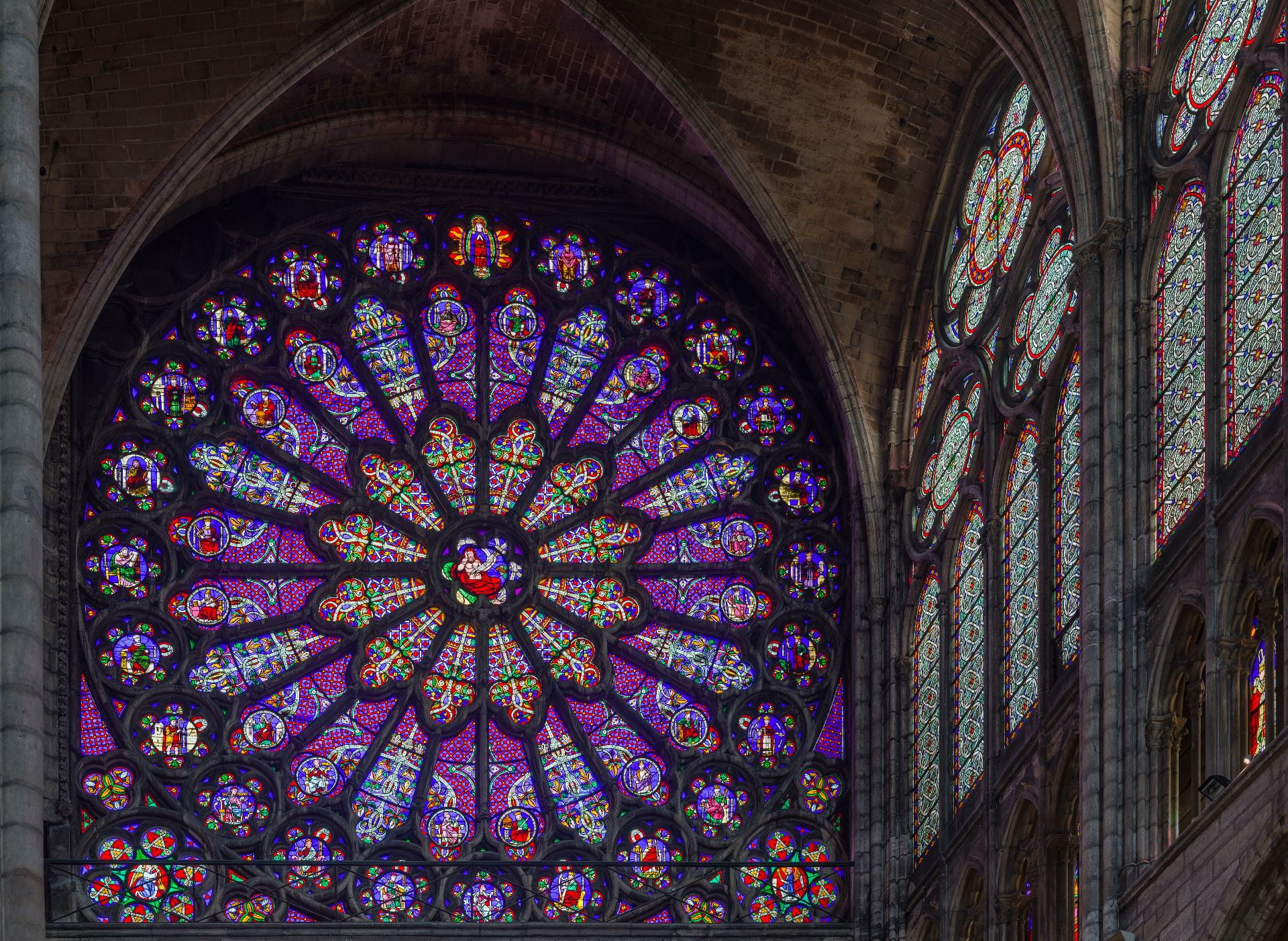
The Origins of Gothic at the Church of Saint-Denis

This undergraduate thesis, mentored by architectural historian Stephen Murray, explores the origins of Gothic architecture in the 12th-century church of Saint-Denis near Paris. The claim that Saint-Denis was one of the first Gothic churches reveals a tendency to tell history – particularly architectural history – in terms of individual structures. In fact, the origins of the Gothic style are more complex and nuanced. Abandoning a Paris- and Saint-Denis-centric origins story reveals the range of local sources from which medieval masons drew inspiration to create the Gothic style. VIEW PUBLICATION >

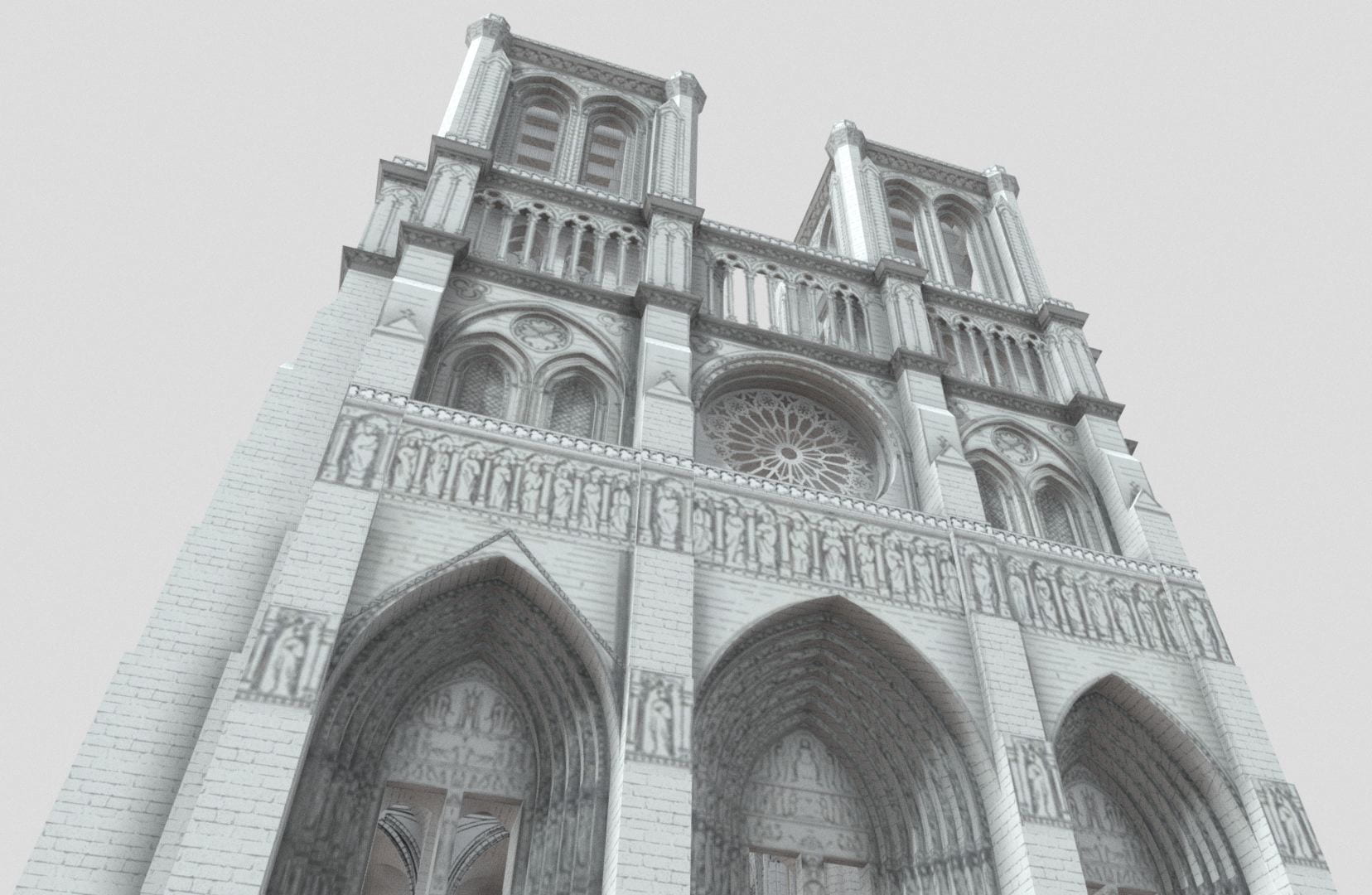
The Meaning of Notre-Dame

The construction of Notre-Dame reflects the origins story of medieval France and the consolidation of power under the Capetian monarchy. This cathedral became a symbol of political power, devotion, and national identity, enduring through 800 years of crises and transformations. Through fires, reconstructions, revolutions, and renovations, Notre-Dame has grown and evolved as symbol of faith and nation. VIEW PUBLICATION >

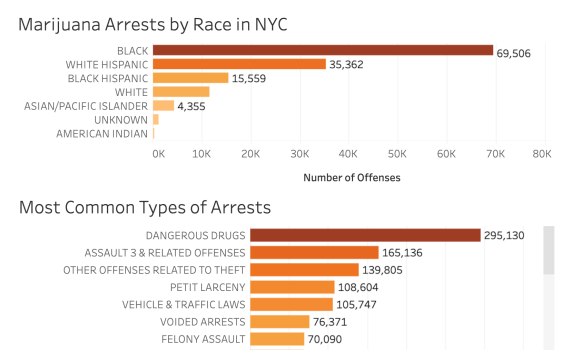
Geography of Marijuana Arrests

Before the legalization of recreational marijuana in 2021, the NYPD reported over 102,000 marijuana-related arrests in 2017, disproportionately affecting Black males from low-income areas, despite similar usage rates among other demographics. This system wastes taxpayer dollars and perpetuates a cycle of criminalization for those impacted by arrests. In this series of data visualizations and maps, I walk readers through the geography of marijuana incarceration. VIEW PUBLICATION >

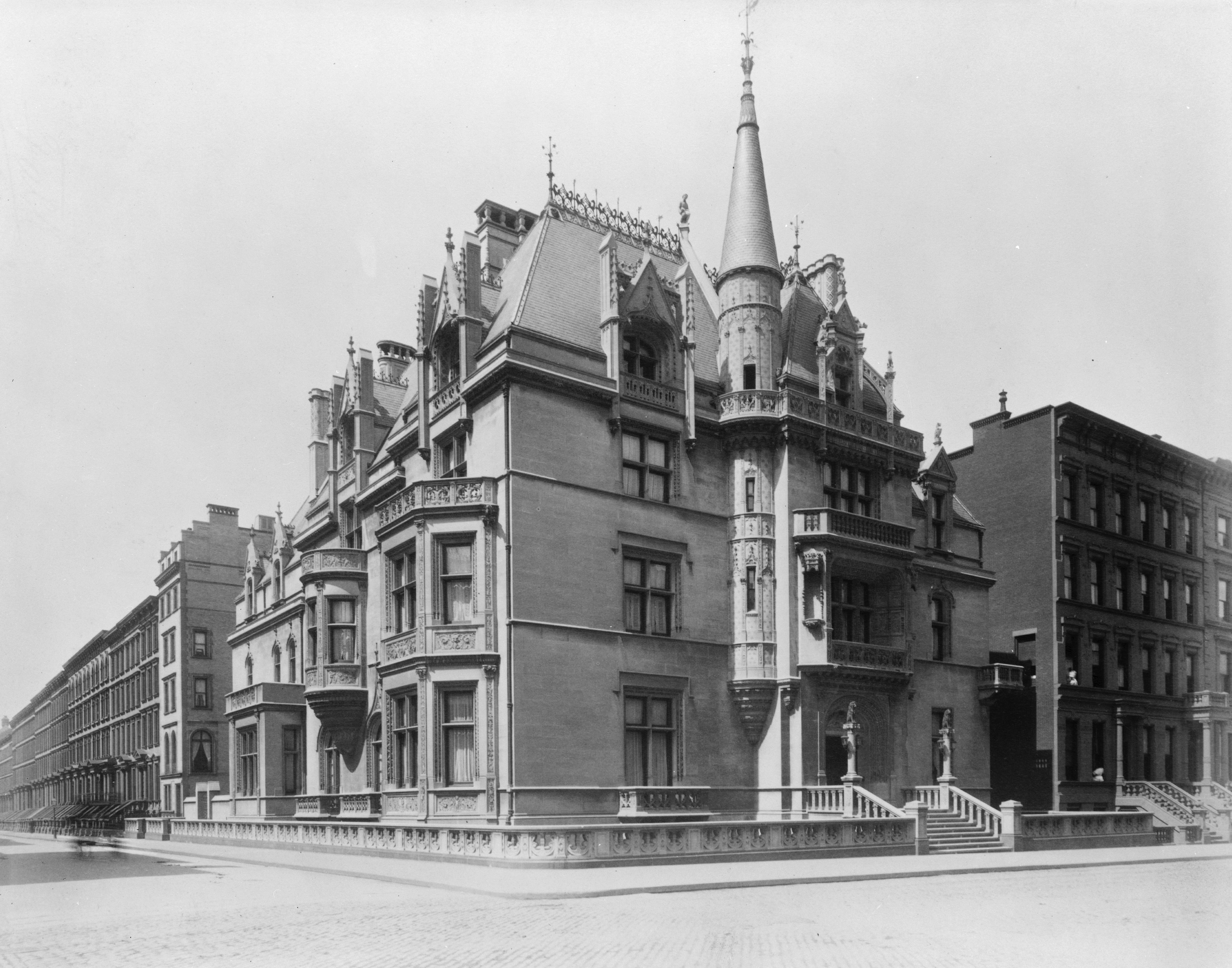
A History of Historic Preservation in New York City

Developed with historian Kenneth Jackson.

Data analysis of NYC landmarks since 1965 reveals trends and biases in the landmarks preservation movement. By 2018 estimates, New York City has granted historic
landmark status to 128,594 structures across Five Boroughs. This visualization and the accompanying analysis assess the geographical spread, location, and age of landmarks with publicly-available metadata. VIEW PUBLICATION >

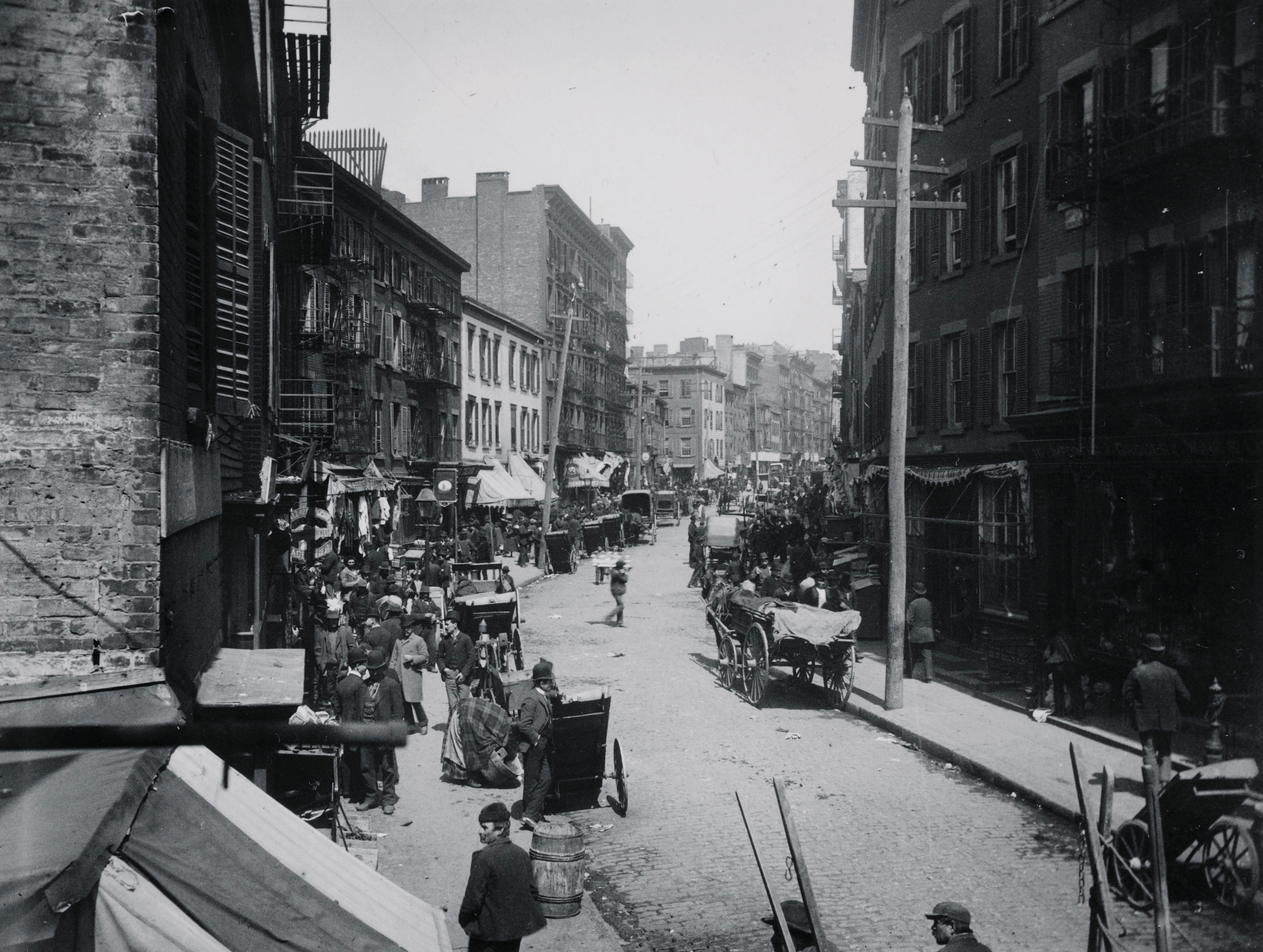
A Brief History of Mulberry Bend

Mulberry Bend, nestled between the New York County Criminal Court and the tenements of Chinatown, is at the geographic crossroads of urban history. At 500 feet long and 50 feet wide, Mulberry Bend is named after the slight turn the street makes midblock. The Bend has a rich, 350 year history: marsh, city slum, site of urban renewal, and now heart of the Western Hemisphere’s largest Chinese enclave VIEW PUBLICATION >

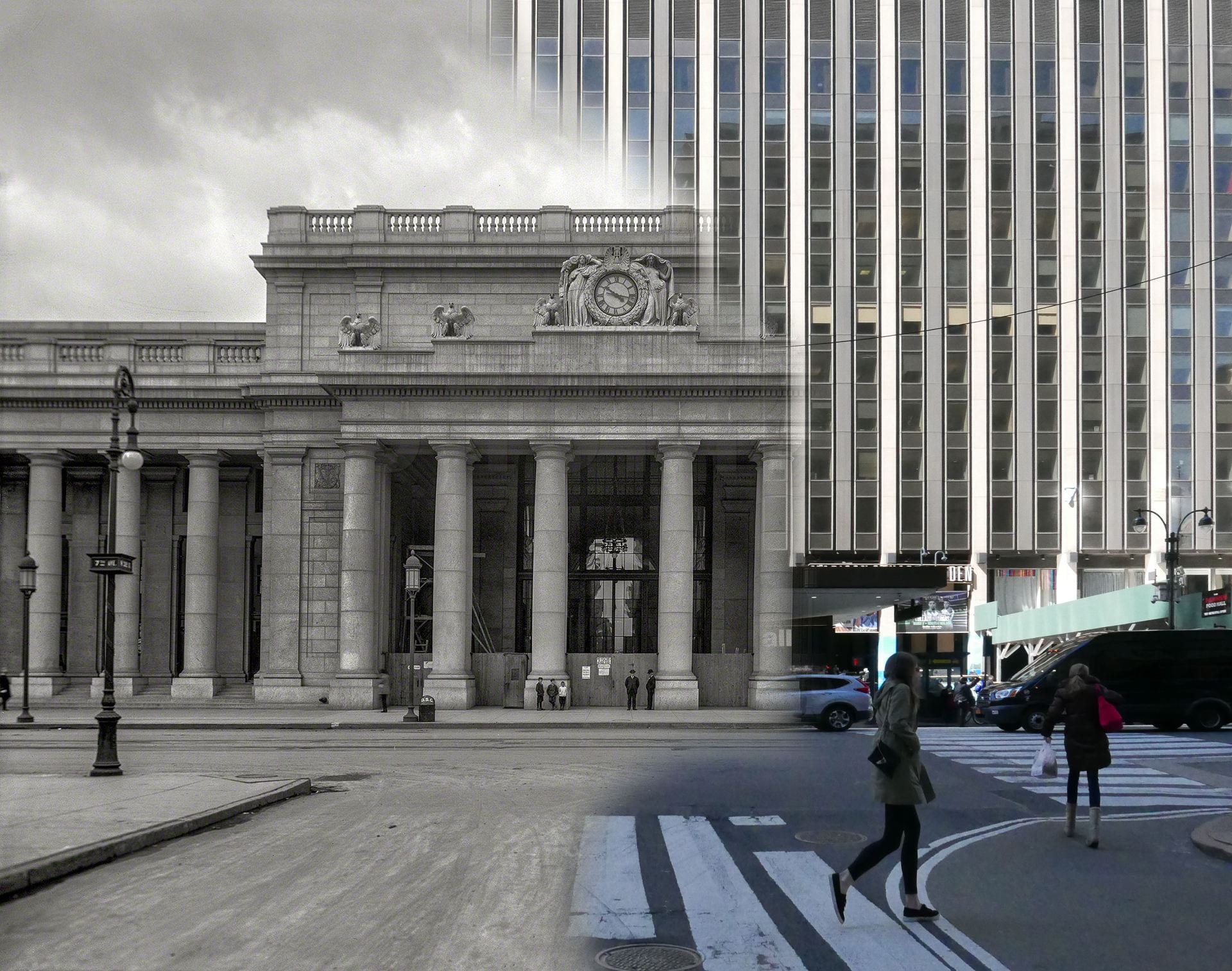
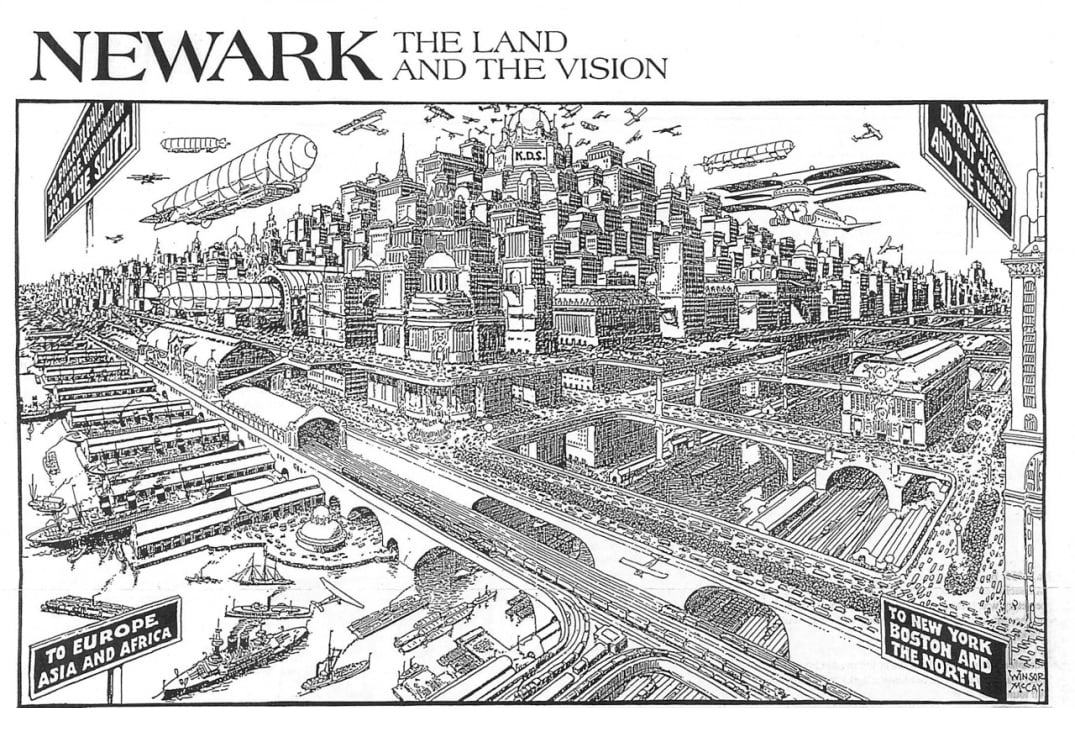
Newark Metamorphosis

This exhibit created for the Newark Public Library uses postcard comparisons of past vs. present to showcase Newark’s architectural evolution from 1916 to today. The project highlights the loss of cultural heritage due to urban renewal and demographic change. The resulting interactive map presents 150 comparative views, which illustrate the progressive loss of human-scale small structures that were central to the city’s vanished neighborhood identity. VIEW PUBLICATION >

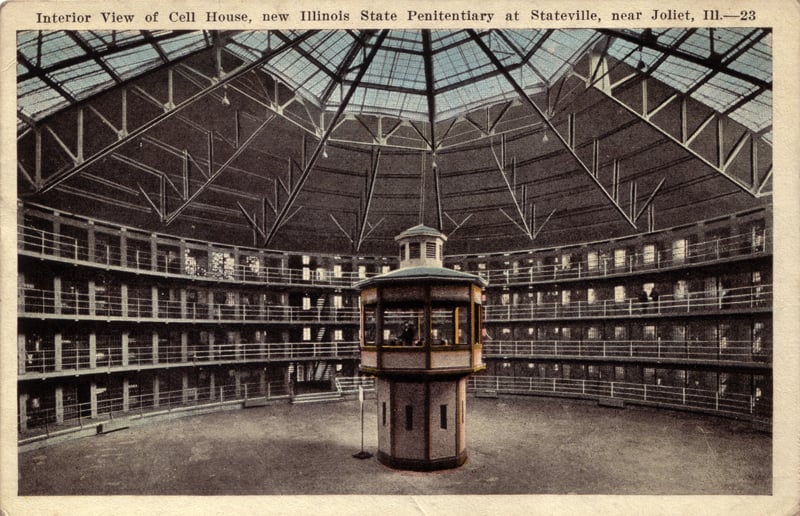
The Panopticon and Trouble in Utopia

Despite the seeming differences between them, many utopias and dystopias often resemble the panopticon, a model of the ideal surveillance state. In fact, panopticon, dystopic police state, and utopian society share common goals: total observation, total power, and unquestioned control. VIEW PUBLICATION >

The Legacy of Vitruvius

Essay selected from successful 2014 application to the Telluride Association Summer Program at the University of Michigan in Ann Arbor.

In this essay, I reflect on the Roman architect Vitruvius and ask: Rome left a footprint on the built environment. What will our society leave? VIEW PUBLICATION >